admin
admin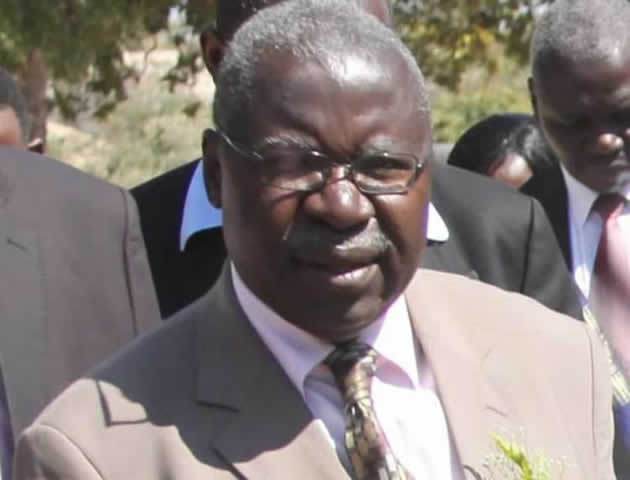
Oliver Kazunga Senior Business Reporter
THE Zambezi River Authority (ZRA) is set to engage the market for feedback on possible transaction and commercial development modes for the establishment of a 2,400 megawatts Batoka Gorge Hydro Electric Scheme. In a statement, ZRA said together with its advisors, they are presently reviewing and updating the engineering feasibility studies and environmental and social impact assessment as well as developing possible financial and commercial development modes.
“As part of this development, the authority intends to, through a Market Sounding process, engage with market potential participants (equity providers, debt providers and construction contractors or technical services providers) to solicit feedback on possible transaction and commercial development modes,” said ZRA.
The Batoka project is expected to provide Zimbabwe with 1,200MW and this will go a long way in easing the power challenges facing the country, which at the moment is generating about 1,200MW against a peak national demand of 2,200MW. ZRA said the Market Sounding process is not part of any procurement process for the project participants.
As a result, ZRA said participants to the Market Sounding process shall not consider that their responses or participation would be in any way used for bidding purposes. “The authority invites parties who are interested in the project to register their interest, after which, the authority will engage with selected number of parties and discuss the project in the coming weeks.”
ZRA chairperson Mr Partson Mbiriri who is also permanent secretary in the Ministry of Energy and Power Development is on record saying pre-construction and feasibility studies for the $4 billion Batoka hydro power station should be complete by mid-year after which funding will commence.
The African Development Bank recently concluded the first phase of a Public-Private Partnership capacity development meeting aimed at supporting the development of Batoka project, one of the biggest proposed power generation projects on the continent.
The project was conceived in 1972 out of a study instituted by the authority’s predecessor, the Central African Power Corporation, and is presently envisaged to consist of a Roller Compacted Concrete Dam with two underground power stations.


 Online Reporter