


 Online Reporter
Ivan Zhakata
IN Zimbabwe’s rapidly evolving media landscape, podcasts have become the new radio, while influencers have become modern-day broadcasters.
From backrooms, lounges and sometimes even cars, microphones are switched on, cameras roll and content is streamed live to thousands.
But, as the voices grow bolder and the themes become more explicit, questions are mounting over where the line is drawn, and who is drawing it.
The Broadcasting Authority of Zimbabwe (BAZ) recently issued a rare but powerful reminder that even in the digital age, the media must still operate within ethical and legal boundaries.
In a statement, the authority raised concern over what it called the growing prevalence of internet-based broadcasting of content that is inconsistent with Zimbabwe’s broadcasting regulations and standards.
It warned that the freedom of expression enshrined in the Constitution must be exercised responsibly.
“Broadcasting via the internet does not equate to exemption from responsible broadcasting,” reads the statement.
“All broadcasters must meet the same ethical and legal standards. Platforms must not become vehicles for lawlessness, misinformation or the erosion of core national values.”
The content now dominating online platforms has become increasingly worrying.
One name that regularly comes up in these discussions is DJ Ollah 7, whose popular podcast has drawn both praise and criticism for its raw, unfiltered and explicit interviews.
While many celebrate the platform for giving voice to the voiceless and breaking social taboos, others said it borders on indecency and sensationalism, particularly when topics turn sexual or guests use vulgar language.
Veteran media trainer and analyst Dr Wellington Gadzikwa did not mince his words.
“I think Zimbabwe has done everything in its power to make sure there is sanity in the media because what we are witnessing is that everyone everywhere can now use the internet podcast,” he said.
“There are a lot of obscenities that are going around. I have watched some episodes by someone called DJ Sparks where people were talking about lesbianism, how they do it in Zimbabwe, how they do it in South Africa and also how they do prostitution. Using obscene words looked as if the broadcasting authority was just mute and could not do anything.
“I think there is need for sanity, even if it is narrow casting, because now some of our people are being exposed to dangerous information, which is anti-social. BAZ should also even go further to look at what other DJs do, especially at national radio stations.”
Dr Gadzikwa feels DJs are not following the broadcasting code.
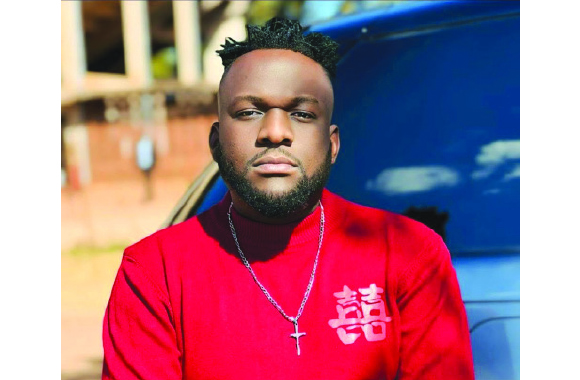
DJ Sparks
“They are going too much in the tabloid format, and I don’t think that is a pure representation of what is
going on, especially for those broadcasting to large masses of people,” he said.
For media ethics lecturer Mr Mlondolozi Ndlovu, the problem is not the digital space itself but how it is being used.
He acknowledges the positive role of online platforms in broadening access to information and giving ordinary people a voice but cautions that such platforms must operate within the framework of professional journalism.
“We are not trying to muzzle anyone,” he said.
“Section 61 of the Constitution protects freedom of expression. But that freedom is not absolute. Ethics are sacrosanct. There must be a balance between expression and responsibility. Digital broadcasters should be guided by the same professionalism that applies to traditional journalists.”
Restoring integrity
Mr Lazarus Sauti, a political and media analyst, said the problem ran deeper than just offensive language or controversial topics.
Content creators, whether trained journalists or not, he opined, hold immense power over how society thinks, behaves and interprets the world.
“Social media influencers and podcasters may not carry press cards, but they have influence,” he said.
“They shape conversations. Some of them are now inciting violence, spreading hate or simply vulgarising public dialogue.
“The BAZ move is commendable. It is time to restore integrity to the media space — digital or otherwise.”
He added that the media, whether traditional, online or somewhere in between, should ultimately serve a greater purpose: to inform, educate, uplift and entertain with dignity.
As the BAZ statement continues to ripple across the media industry, content creators are being reminded to acquaint themselves with the country’s broadcasting laws, particularly the Broadcasting Services Act [Chapter 12:06], the Licensing and Content Regulations (Statutory Instrument 185/2004) and the Broadcasters’ Code of Conduct (Statutory Instrument 148/2023).
The authority said it will not hesitate to enforce these standards decisively if necessary.
The debate over what is acceptable in today’s media space is far from over.
In its quest to promote media sovereignty and strengthen regulations in the sector, the Zimbabwe Media Policy, which was launched by President Mnangagwa on May 28, aims “to establish a balanced regulatory framework that promotes media freedom and responsibility”.
“The policy will promote local content production, ensure local ownership and control of media outlets, and increase regulatory oversight of online broadcasting while respecting editorial independence,” reads the policy in part.
South Africa’s popular podcaster MacGyver “MacG” Mukwevho recently faced a backlash for alleged derogatory and misogynistic comments about TV presenter Minnie Dlamini.
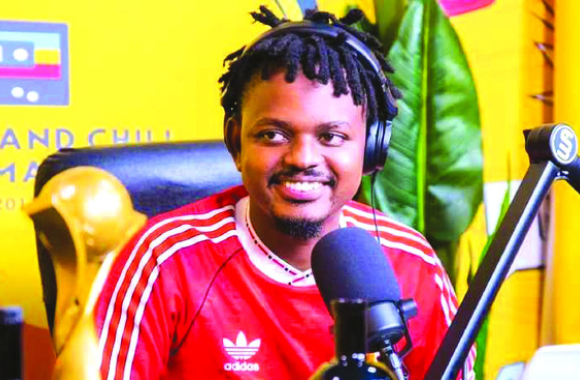
MacGyver “MacG” Mukwevho
In the neighbouring country, Parliament’s Portfolio Committee on Women, Youth and Persons with Disabilities even contemplated summoning the podcaster to explain his conduct.
But if one thing is clear, it is that Zimbabwe stands at a crossroads: between unregulated freedom and ethical responsibility, between entertainment and erosion, and between bold expression and societal values.
The microphones are still on. The audiences are still listening.
What remains is for content creators to decide, not just what they say, but how they say it, and what kind of legacy they leave behind with each episode, each clip and each upload.



