Online Reporter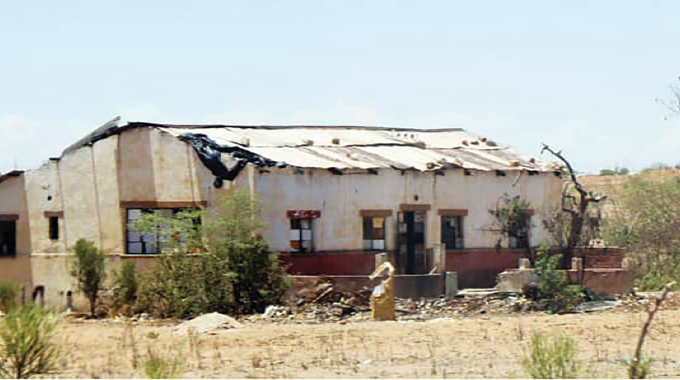
Vusumuzi Dube , Deputy Radar Editor
THE Bulawayo City Council is set to demolish several houses that were previously farmhouses within former farms that have been turned into some of the most sprawling suburbs in the city.
These farmhouses have become dilapidated and are occupied by illegal squatters. Most of the former farm houses are located in Nkulumane and Pelandaba West (Emakharathini).
According to the latest council report, the local authority has resolved to demolish 26 of the 37 former farmhouses dotted around the city, as a significant number of these houses were structurally unsound, with cracked walls, collapsed roofs and dangerous foundations.
“Council had bought farms with farm houses from the then owners in various places in the city. The said stands were reserved mainly for institutional usage and currently occupied mainly by illegal occupants. In each property, there was a focal person who appeared to be leasing out the properties in question to other people.
“A significant number of houses were structurally unsound, with cracked walls, collapsed roofs and dangerous foundations. These posed imminent risks to life and property. Some houses remained in relatively better condition, though still suffering from neglect and lack of maintenance,” reads the council report.
The local authority also noted that while there were occupants in these properties they did not have formal leases or payment of rentals. Further, some of these occupants had resided there for extended periods, more than decades, effectively treating the houses as their own.
The occupants were also using pit latrines, Blair toilets and bush toilet due to lack of proper sanitation services.
“The properties remained vested in the city council. Occupants had no registered title, no leases and no formal rights of occupation. The city might evict those occupants or seek alternative accommodation for them.
“If the City were to regularise occupation by issuing leases, it could assume obligations including responsibility for ensuring habitable premises. In such a case, if a building collapsed or injured occupants, the city could face legal action for negligence,” reads the report.
On a legal perspective, the local authority dismissed the possibility of the current occupants arguing that by virtue of their long stay, they had acquired rights through prescription.
“The requirements for acquisitive prescription were that the possession must be open, peaceful and adverse for 30 years and above. However, the city had consistently exercised acts of ownership over the properties through inspections and oversights hence, the prescription requirements had not been met.
“The city council retained the right to evict unlawful occupants. Demolition of unsafe structures must similarly follow due process, including giving notice to occupants and providing alternatives or social assistance where possible,” reads the report.
The local authority further noted that they might consider issuing formal leases for those houses still structurally sound, with the leases being on a short-term basis and contain clear clauses indemnifying the city from liability where structures deteriorate further.
Subsequently, the local authority resolved to demolish 26 of the properties and renovate 11 of them, which they would then lease out to the current occupants.
“It was resolved that a formal notice be written to all occupiers on the properties and a reasonable timeline be given, with all dilapidated structures demolished, that habitable premises be leased out to current occupants for an initial period of five years subject to review at the pleasure of council, provided the tenants are agreeable to construct proper sanitary facilities at their own expenses, the lease shall be in terms of Section 152(5) of the Urban Councils Act.
“It was also resolved that scheduled routine inspections be done by the Works Department and that where there are water connections and wells the Departments of Water and Sanitation and Works carry out their specific mandates ensuring proper accountability of water, further, 11 properties with buildings for renovations (have been identified) and 26 properties with buildings for demolition,” reads the report.