Online Reporter
Primrose Siqo and Angeline Mujeyi
AS the countdown to the Traditional Grains Conference on November 28 continues, the International Crops Research Institute for the Semi-Arid Tropics (Icrisat) is getting the word out: It is time to revert to the use of resilient, nutrient-rich crops like sorghum, pearl millet and finger millet.
These grains are being promoted around the world as Smart Foods, a potent way of delivering solutions to the triple-challenge of climate change, malnutrition and rural poverty.
The Smart Food advantage
Smart Foods are characterised by being good for the farmer, good for the environment and good for you.
Good for the environment: Climate resilience is the key
In the face of intensifying climate variability, sorghum and pearl millet offer unparalleled drought tolerance. These crops require significantly less water than major staples like rice or maize; studies show that millets can produce a harvestable grain yield with as little as 350-400 mm of annual rainfall, making them a lifeline in drought-prone semi-arid regions. Furthermore, these millets possess a lower carbon footprint compared to rice and wheat. For instance, the water required to produce 1 kg of rice is around 3,000 to 5,000 litres, while millets need a fraction of that amount. This ecological advantage is critical for sustainable agriculture.
Good for the farmer: Acquiring livelihoods
The cultivation of these traditional grains makes farming more stable and less risky for smallholder farmers. When a serious drought strikes, maize may yield less than half the usual amount, but sorghum and millet plants will continue to produce something, guaranteeing a minimum income and a food source when other crops have failed.
Furthermore, these grains require fewer chemical fertilisers and pesticides than large cash crops, which reduces operational costs and enhances the profitability and sustainability of small farming systems.
3 Good for People: A nutrition powerhouse
Traditional grains like pearl millet, finger millet and sorghum are nutritional marvels critical to enhancing food and nutrition security in Zimbabwe.
n Pearl Millet contains phosphorus, vital for good bones and healthy child development. It also has a good amount of iron and folic acid, essential for pregnant women to prevent anaemia and reduce the chances of neural tube defects such as spina bifida. With much higher amounts of fibre than rice or wheat, pearl millet helps regulate blood sugar levels, control weight and increase satiety.
n Finger Millet has almost three times the calcium content as milk and approximately eight times the content of most other cereals. This makes it ideal for building strong bones and an excellent weaning food for young children, offering a combination of proteins, carbohydrates and minerals.
n Sorghum is rich in magnesium, which increases calcium absorption to strengthen bones. It is also rich in antioxidants and phenolic compounds that help counter degenerative age-related diseases. Its high resistant starch content gives it a low glycemic index, which helps stabilise blood sugar levels a benefit for individuals managing diabetes and obesity.
Combined, these traditional grains offer both resilience against drought and a clear pathway to improved nutrition for Zimbabwean communities.
Innovating tradition: Between field, plate and business
This potential is what Icrisat is currently working hard to realise at its Food Technology Laboratory. Research work focuses on value addition to ensure these grains are easily incorporated into contemporary diets and transformed into commercial products.
According to Icrisat representative, Dr Martin Moyo, the key idea is to make Smart Foods affordable, aspirational and accessible. Nutrient-dense porridge mixes and baked products are being developed and refined into easily consumable, delicious proto-products. These can be modified into healthy snacks and much-needed weaning foods, ready to be scaled and sold by business stakeholders.
Smart food businesses
Business possibilities in the areas of sorghum and millets are enormous. Key opportunities for Small-to-Medium Enterprises (SMEs) include:
n Primary Processing: Dehulling, milling, and grading.
n Value-Added Products: Producing pre-mixes of instant porridge, baking flour blends, and specialized weaning foods.
n Snack Food Production: Making chips, snacks and puffed grains.
Moreover, the development of specialised bakeries that focus solely on millet and sorghum products cashing in on the health-conscious consumer segment represents a major growth opportunity. These businesses can be strategically located close to production areas to generate local jobs and reduce transportation expenses, thus acting as sustainable drivers of economic development within rural communities.
The fast-food industry also presents massive opportunities to boost consumer demand. Fast-food restaurants can capitalise on health and sustainability trends by substituting maize meal or wheat flour with sorghum and millet in some of their most popular products, such as millet-based wraps, sorghum pizza crusts or millet burger buns.
This not only provides a healthier option for customers but, more importantly, creates a formal market for smallholder farmers. As big food chains adopt these grains, the demand shifts radically from subsistence-based to commercial-based, securing the supply chain and making smart foods a mainstream, profitable commodity.
Modern, simple and easy-to-make recipes based on sorghum and millet are available worldwide on the site https://www.smartfood.org/recipes/, allowing households and entrepreneurs to adopt healthier food based on local crops.
Government Support: The Revival of Traditional Grains
The Government of Zimbabwe continues to play a leading role in reviving and promoting traditional grains as part of its drive toward food and nutrition security.
Through programmes such as Pfumvudza/Intwasa, farmers across the country are being encouraged and supported to grow drought-tolerant crops like sorghum, pearl millet and finger millet, which thrive even under harsh climate conditions.
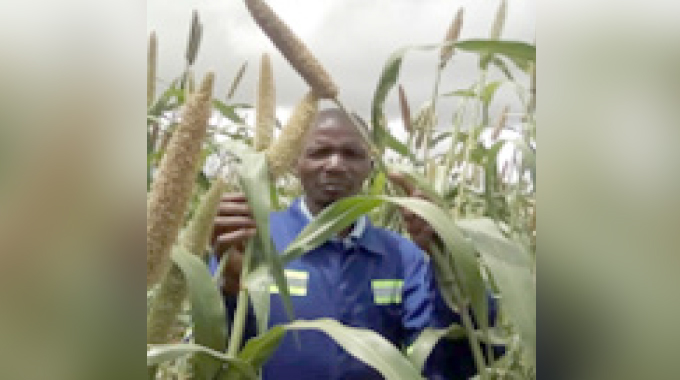 These efforts are helping communities become more resilient to drought while improving household nutrition.
The inclusion of traditional grains in school feeding programmes, Grain Marketing Board (GMB) buying schemes and national agricultural strategies demonstrates the Government’s strong commitment to restoring the value of these indigenous crops. By supporting farmers with seed, training and markets, the Government is not only preserving Zimbabwe’s agricultural heritage but also ensuring that traditional grains take their rightful place at the centre of the nation’s smart foods revolution.
The conference and collective action: The road ahead
The upcoming Traditional Grains Conference is a vital platform that will bring together farmers, researchers, policymakers, nutritionists and agribusiness players. It will be geared toward disseminating knowledge, encouraging investment in local processing facilities and promoting the mass production and consumption of these Smart Foods in the region.
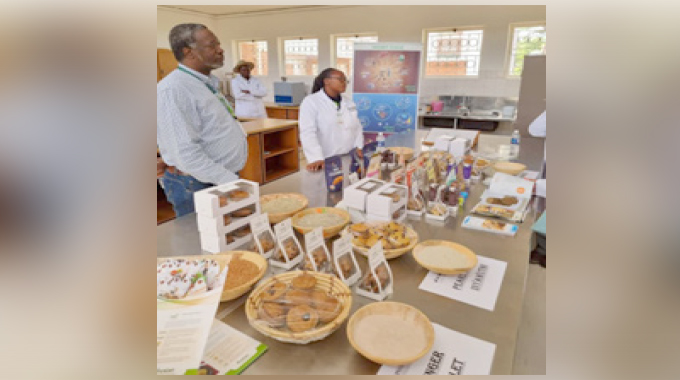
Icrisat remains committed to working with Government ministries and the private sector to establish more powerful market connections. By strategically supporting the production and processing of sorghum and pearl millet, we can positively impact household malnutrition and simultaneously empower rural livelihoods.
Adopting the Smart Foods revolution is a cultural preservation endeavour, a scientifically-grounded, economically-prudent and environmentally-reliant step toward creating a more resilient food system and securing a stronger, healthier and food-secure future for the country.