

 admin
admin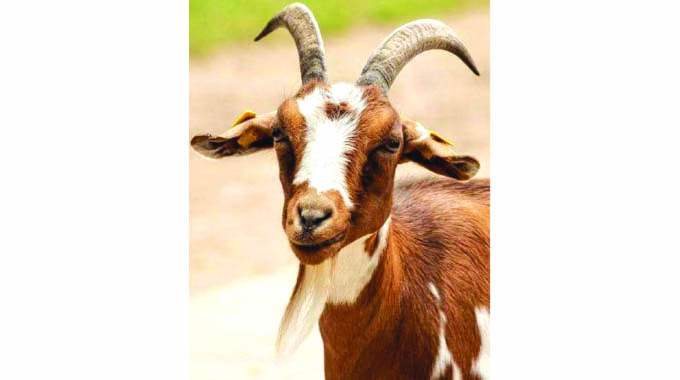
Fadzayi Maposah-Correspondent
Welcome to a new month.
It is hard to believe that already it is November, the 11th month of the year.
How far have we gone with the resolutions that we made at the beginning of the year?
I do not mean to disturb your peace. I am just asking. Remember that little progress is progress. So maybe at the beginning of the year we planned to for gym at least four times a week yet in the last 10 months we have been there less than 10 times.
The consolation is that we are not at zero and let us celebrate the walking that we have been doing as part of important exercise.
Value your mental health and allow yourself not to be put under pressure by those who do not really understand what you have gone through since January.
Remember too that we may not have accomplished what we wanted to do but we did some good things that we had not put down as part of the plan.
Plans are made for revision! Let us celebrate what we did and not spend so much time focusing on what we did not do. Celebrate the small and big wins.
I have been reading about November. In the Shona culture there is so much mystery attached to the month of November. November in Shona is Mbudzi.
Mbudzi means goat in the singular or goats in the plural. According to one article that I read, some activities are prohibited in the sacred month.
End of October, there are rituals that are done to close business before the lunar month of month.
When November ends, other rituals that are done ensure that everything can go back to normal.
You may have noticed that in October all the weekends were packed with roora ceremonies and weddings.
The reason is that some families believe that marriages should not be conducted in November.
Those who opt to stick to marrying in November may do so without the full blessing of the whole family.
Other activities that are not allowed in November include family cleansing ceremonies.
While some families may not think these are still important, there are those who value the traditions and stick to them religiously.
While cattle are greatly valued in the Shona culture, there is not a month that has been dedicated to the cow yet there is one that is wholly dedicated to the goat.
Goats were and are widely used for sacrifices because of affordability when compared to cattle.
Mbudzi is a special month in the planting season. While there is no activity on the traditional rites, the farmers will be busy concentrating on farming activities that include animal husbandry.
The month is also the peak of the breeding month of goats and the Shona people did not want then to sacrifice pregnant goats.
Let us look at one ceremony where goats were and are still used by those who follow our tradition.
When a new bride was welcomed into the family, a goat would be slaughtered.
The ceremony was to announce the arrival of the new family member.
The celebration was that the new bride “anokudza dzinza” literally meaning who allows the family to grow.
While the family into which the bride was marrying into would slaughter a goat, the bride and the relatives that had accompanied her would show that they were strong and hard working.
They would be working to make meal from various small grains and different small grain meal would be served with the goat meat.
The two families would eat together, symbolising the new union. Those who did not have goats could use gusha as their goat.
Gusha is okra. The okra was significant since the name is from the word kusha, it signified, sowing and the children that would come in the new family.
Now why would I be taking my time to talk about the significance of the rites in which goats were used?
I have realised that there are so many things that we do yet we cannot fully explain the reason behind.
At times when we do not know the answers, we simply say that is the way that it has always been. When we do not know the answers, we can tend to lose it, get very upset and angry.
I was just thinking as I read to learn more about why November is a sacred month, that it is men who led in the rites processes.
Women and children were there to follow and support the decisions made by men.
I am sure that women would be informed on the dates when goats could be slaughtered, but men took charge as the leaders of the families and they were accountable for their families.
Men were responsible for ensuring rituals were done properly.
They are the ones who would slaughter the goats. Knowing the place and how to slaughter the goats was a man`s responsibility.
November is Men`s health month. Men at times seem not to be bold enough to pull each other to do the right thing.
Health should be a priority for men.
Health issues of men need to be addressed by fellow males.
As men lead families in traditional activities let them lead in ensuring that their health is well taken care of.
That men have a poor health seeking behaviour is not award winning.
This November seek to be the GOAT (the greatest of all time) within your network by prioritising men`s health.
As the month begins, I challenge men to take full charge of their health.



 Online Reporter