Online Reporter
Karen W Maturure
IN the heart of Zaka District, Masvingo, a single Shona word, Tabudirira — ”we have become successful” — encapsulates a quiet revolution.
It is the chosen name of a determined collective of 13 farmers, nine women and four youths, at the Fuve Panganai Irrigation Scheme. Their story is more than a local triumph but a potent case study in how targeted, holistic development can dismantle barriers and cultivate resilience in Zimbabwe’s vital agricultural sector.
Their success is scaffolded by a deliberate framework, which is the Creating Adaptive Unique Systems for Financing Women and Youth (Causeway) Project. Implemented by the Zimbabwe Agricultural Development Trust (ZADT) with funding from Swedish and British embassies, Causeway moves beyond simple aid. Its core mission is to address the interconnected challenges that have long stifled smallholder agribusinesses: lack of capital, insecure markets, and limited technical expertise. By focusing specifically on women and youth — groups often marginalised in traditional financing and value chains — the project seeks to grow sustainable enterprises from the ground up.
For the Tabudirira group, this model has transformed theory into tangible yield. They specialise in producing certified NUA 45 sugar bean seed, a high-value crop. Crucially, their entire harvest is sold under a secure contract to Zimbabwe Super Seeds (ZSS), a guaranteed offtaker.
This contract is the linchpin, eliminating risk of market gluts and price collapses that doom so many small-scale ventures. With financial risk mitigated, the group’s focus has shifted entirely to productivity, quality, and collective growth.
The Tabudirira group received access to finance capacity building training by ZADT and received working capital facility through ZSS.
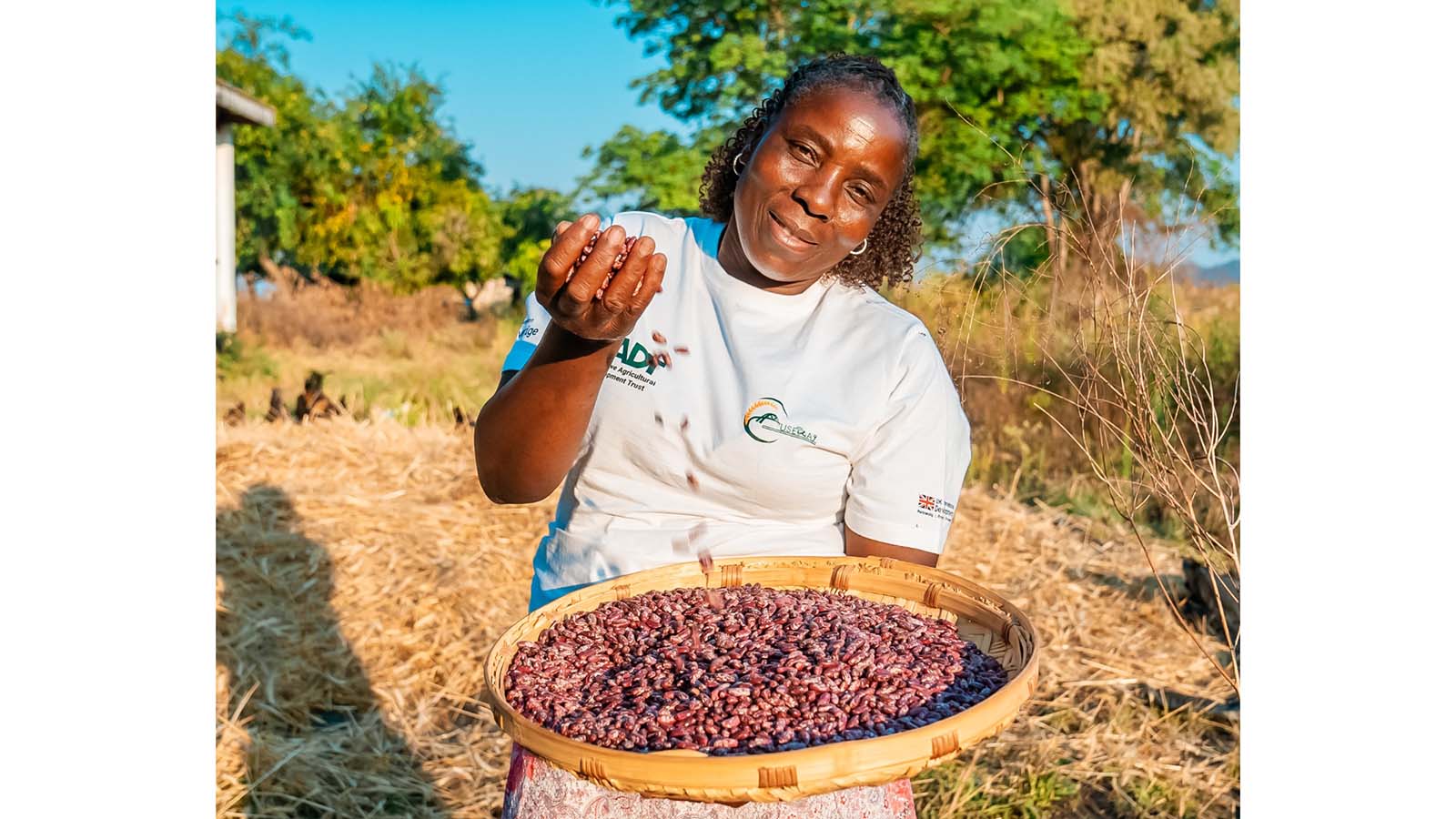
Under Causeway, the Tabudirira farmers received access to finance training, which strengthened their business management skills and ability to prepare bankable loan applications. As a result, the group secured a US$5 200 loan from AFC Bank at 15 percent annual interest, with each member accessing US$400 to be repaid as US$$436 being capital and interest.
This financing enabled them to purchase key inputs and expand production. The farmers harvested 6,6 tonnes of sugar bean seed and sold it to ZSS at US$1 500 per tonne, generating US$9 900 in revenue. On average, each farmer earned US$761, well above the US$436 loan repayment. Although the loan was scheduled over seven months, the sugar beans matured in just three months, so the extended repayment period ensured farmers had sufficient time to repay without financial strain.
Zimbabwe Super Seeds plays a central role in the financing model through contract farming and out-grower arrangements. ZSS supplies seed on credit, guarantees markets and supports farmers to meet national quality standards. Through Causeway and ZSS collaboration, additional financial support was mobilised, including a US$50 000 facility from the Zimbabwe Microfinance Fund (ZMF) to support sugar bean farmers, benefiting groups such as Tabudirira.
The group operates under strong governance systems that promote transparency, collective decision- making and financial discipline. Beyond household income, their activities contribute to local food security, youth employment and market-oriented production.
Mr Nelson Munyaka, the director at Zimbabwe Super Seeds said: “The Causeway intervention has increased the number of women and youth we are working with in seed production, and the Tabudirira group has shown that with the right support they can meet commercial standards and be reliable partners.”
Following a successful season, the group collectively delivered the sugar bean seed to ZSS, were paid in full, and repaid their AFC loan on time, generating a surplus. Based on this performance, AFC Bank has approved further input financing for the current season, ZSS attracted additional funding from AFC and other groups at Fuve Panganai Irrigation Scheme are now joining similar arrangements after witnessing Tabudirira’s success.
Mr Godfrey Chinoera, the ZADT CEO, remarked: “Through the Causeway Project, ZADT facilitated access to finance for ZSS and the Tabudirira group, linking them with ZMF and AFC Bank and providing capacity-building support for farmers to prepare bankable loan applications. Providing farmers with access to finance, alongside guaranteed markets and seeds from Zimbabwe Super Seeds, has empowered the group to scale production, increase income, and achieve sustainable growth.”
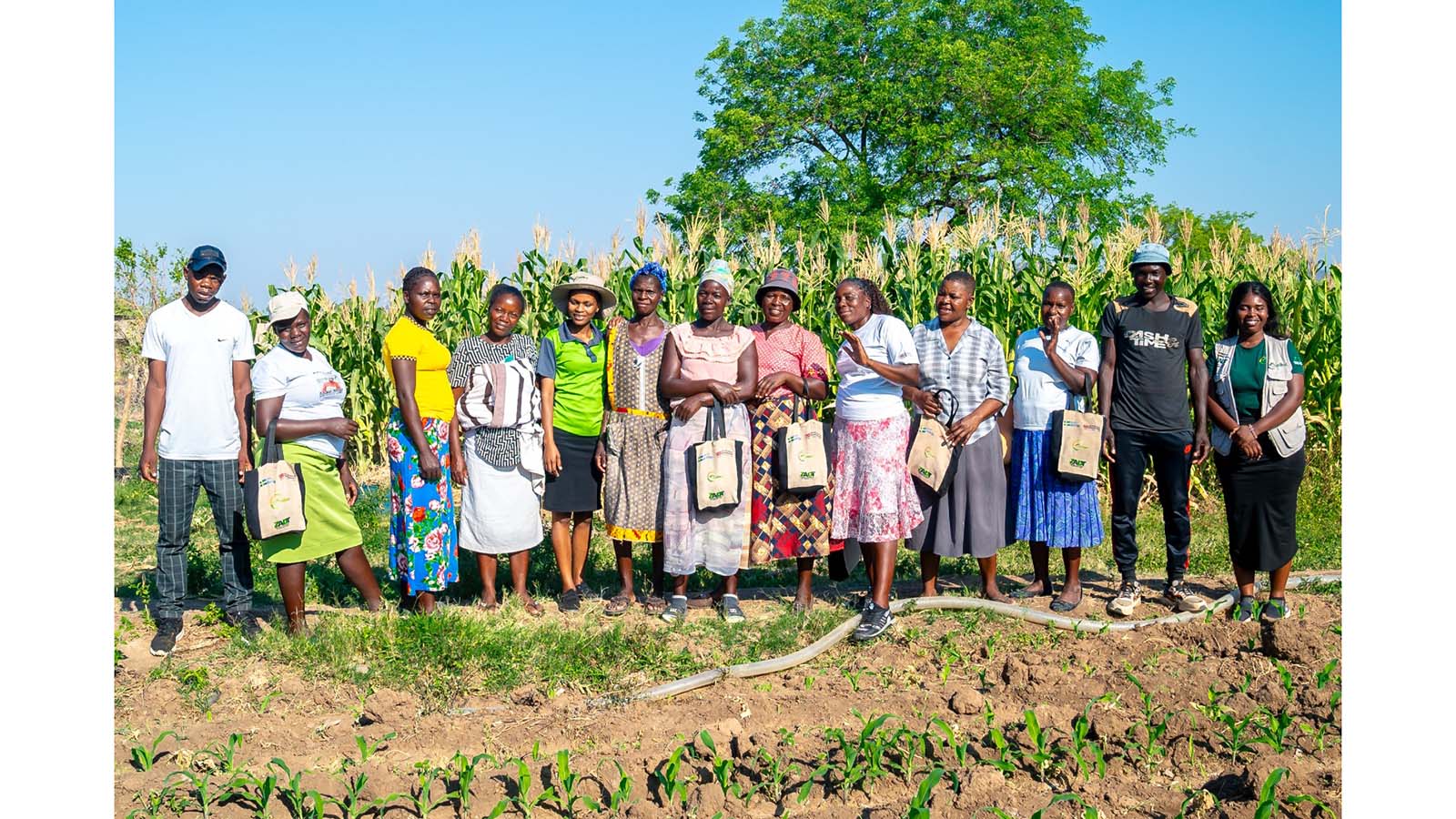
This experience demonstrates how linking women and youth to tailored finance, guaranteed viable markets, and technical support can unlock sustainable agribusiness growth, drive inclusive rural transformation and provide measurable financial returns for smallholder farmers.
The experience of the Tabudirira group at Fuve Panganai Irrigation Scheme in Zaka District, Masvingo, demonstrates how access to finance, guaranteed markets and technical support can unlock sustainable agribusiness growth for women and youth.
Thus, their journey from subsistence to commercial seed production represents a microcosm of an ideal development pathway. It demonstrates how pairing access to finance with guaranteed markets and skills training can unlock potential.
The success of Tabudirira is not merely in their name, but in a replicable blueprint showing that with the right support structures, smallholder farmers can become powerful agents of their own prosperity and pillars of national food security. Their flourishing enterprise stands as a compelling argument for rethinking how to empower rural communities at scale