admin
admin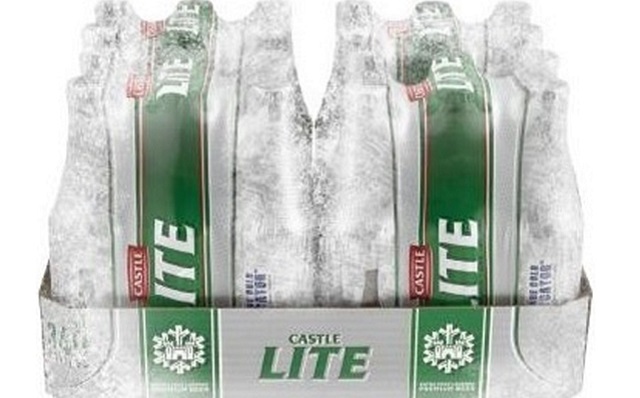
WALKING into one’s favourite nightclub a few weeks back almost pushed imbibers on the verge of permanent sobriety judging by the exorbitant prices that were being charged by Bulawayo night spots on alcoholic beverages, ranging from beers to expensive whiskeys.
A price tag of $US2 for a Castle Lite or an equivalent of 7 bond notes for the same brand is enough to make even deep pocketed nightclub imbibers contemplate quitting the wise waters.
A new phenomenon — probably pushed by the high cost of drinking in night clubs — is cropping up around the city’s low and high density suburbs.
People gather together in the name of “house parties” to enjoy their favourite drinks without necessarily painting the night red and spending hard earned cash like there is no tomorrow.
But upmarket joints in the city are not fazed. To stay in business in a competitive environment, an astute businessman innovates, adjusts to prevailing economic forces and Babongile Skhonjwa — who runs Red Café — is doing just that.
“Imported alcohol is generally expensive compared to the locally produced stuff so we have cut down on imported beer and sell more local stock to as a way of keeping our customers.
“It’s just one of the ways we have adopted to keep up with the situation (steep increases in alcohol prices) but we are not really worried that people are coming up with all sorts of gatherings like the house parties that you mentioned,” said Skhonjwa.
He is confident his joint’s loyal clientele will weather the “alcohol price madness” by continuing to support Red Café.
“The entertainment value we give to our clientele will keep them here because they don’t get it anywhere else, be it shebeens or any other clubs,” he said.
Cosmopolitan Club manager Manu Mahaso is not losing sleep in fear of losing his clientele.
“For us nothing has changed, we have our own loyal clientele and target customers who fully understand the current economic situation and don’t complain about our prices. For imported alcohol we sell in foreign currencies (US dollars and rands) while local beer is sold in the local currency (bond motes and RTGS),” said Mahaso.
On the other side of town, in the high density suburbs, local shebeens are recording brisk business.
A local shebeen owner who asked not to be named (shebeens are illegal in the city) said she spends her afternoons “hunting” in local supermarkets for locally made beer.
She later sells the beer at a price that keeps her customers happy and makes a good profit.
The only downside is that sometimes supermarket limit the amount of beers she can buy.
“I buy beers (pints) for a $1 each at local supermarkets and sell for $1,50 at my shebeen and that is not bad business at all because I make a profit and keep my customers happy at the same time. The trick is to have contacts at local supermarkets who will let you know when beer has been delivered at their shops,” she said.



 Online Reporter