Online Reporter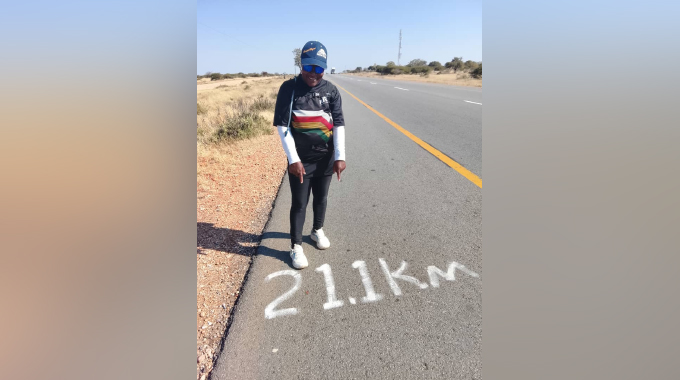
Muvhuso Chibi [email protected]
At 54, when most people are talking about slowing down, Stella Dhokotera is lacing up for her biggest challenge yet.
Next month the Beitbridge grandmother will take on a 600-kilometre walk and camping expedition from Lesotho to Botswana. It will be days of dust, mountains, open roads and nights under canvas.
For Dhokotera, it is not about proving a point. It is about proving that age is just a number, and that sport can be medicine.
“I started enjoying sports because my body was always in pain. Exercise became my therapy,” she says with a laugh, shifting her weight like someone ready to move.
Dhokotera came to Beitbridge in 1998 at the age of 27, and by then life was about work, raising children, and responsibility. Sport was not part of the plan.
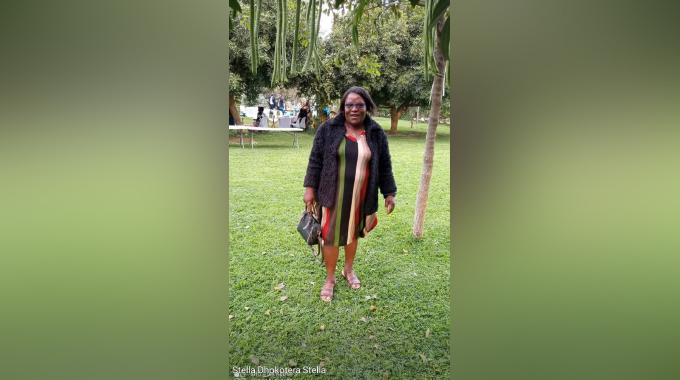
“At a young age I didn’t take part in sports because of pressure and having to look after kids,” she recalls.
“To me, life is all about fulfilling your dream and creating your own financial independence and creating your own retirement plan.”
She said chronic body pains changed that. A decade ago, a friend suggested she join the Beitbridge Mayor’s Half Marathon just to walk. She registered for the 5km power walk and finished, and something clicked.
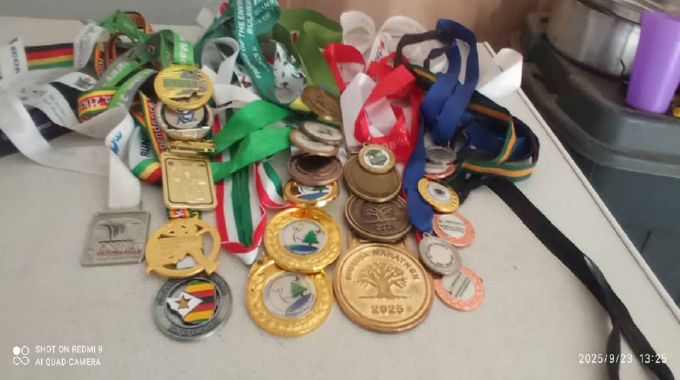
For 11 years she kept showing up, and in 2022 she made the jump to the 21.1km race from Mtetengwe Village to Beitbridge Town. She took third place. The medal mattered less than the message it sent to herself: she could go further.
Since then, her running shoes have covered the country. There was a 27km marathon in Bulawayo. A 15km race in Gwanda. A punishing 40km from Bulawayo’s Macs Garage to Esigodini. She has also run in Musina, Victoria Falls, and in several events around Harare. Each race added kilometres to her legs and confidence to her spirit.
Dhokotera said the turning point came when she saw a woman in her 60s preparing for South Africa’s 80km Comrades Marathon.
“When I saw her, I told myself, if she can do it, why can’t I?” she said. “That’s when I decided I will not limit myself.”
The change off the track has been just as dramatic, and Dhokotera says the sport helped her drop from 114kg to 76kg.
“Sports helped me a lot. My clothes fit me nicely now. Like every woman, I love the person I see in the mirror,” she said.
She does morning walks, long walks, and hiking, adding that her proudest moment in sports is meeting different people, getting to travel, and staying healthy.
Dhoketera said most of the pains and sicknesses people feel are due to lack of activity.
“Athletics is my personal doctor that I can consult at any hour. It makes me very happy. It’s meditating, especially during hiking. Sometimes it’s just me and the sound of my shoes. That is where I find peace,” she declared.
Dhokotera is vocal about what sport can do for young people, especially girls in Beitbridge.
“All young girls should not miss a chance to do sports. It’s the security of life. One can earn money, stay away from drugs and other bad social behaviours, and even get sponsorships for education.
It keeps one busy, protecting you from uncoached behaviours and social media attacks. There’s good mental health in sports and discipline,” she said.
Dhokotera believes sport teaches morals and focus, adding that sport is important, especially in young girls, as it disciplines a child and good morals are taught.
In Beitbridge, she said, few women are visible in athletics beyond a small group linked to local club Riot. The reasons are practical — people are busy — but also cultural.
“The challenges we face as ladies are being looked at differently because of the sports attire, bad comments and being labelled ladies of the night,” she added.
The sportswoman also urged Government, schools and communities to create more open spaces for children to play, to promote sports in schools, and to support talented athletes with funding.
“You can’t be good at everything, especially school and sports. But both matter. We need to give children a chance to choose,” she said.
The Lesotho to Botswana expedition is months away, but preparation has already started. It will be walking, not running, covering long distances each day with a small team. There will be camping, navigation, and endurance.
For Dhokotera, the goal is bigger than the finish line; she wants to show other senior citizens that wellness does not have an expiry date.
“To grandmothers and senior women out there, age is just a number. You start slowly with short distances. Getting enough rest and eating healthy helps a lot. Avoid junk. Sports have no age limit.
Don’t wait to get sick to start exercising. Sport is therapy,” she added.
“I dream of a Beitbridge where gogos gather for morning walks the way they gather for church. Where clinics talk about steps as much as they talk about tablets. Where sport is seen as prevention, not just competition.
“If I could go back to my younger self, I would chase my dream of being an athlete. If I had started this at a younger age, maybe I could have achieved a lot. To the young ones, identify your best self, and grab your best interest, and pursue it. I would like to be remembered as a Gogo in therapy who doesn’t give up, who changed how people view athletes, especially for an old lady like me.”
Dhokotera said she lights up when she watches young athletes on the track in Beitbridge and for now, she is focused on the road ahead. The 600km from Lesotho to Botswana will test her body, but she says the hardest part was already done: starting.
Eleven years ago she walked 5km because her body hurt. Soon she will walk 600km because her body — and her spirit — can.
In Beitbridge, a town known for trucks, borders and long queues, Dhokotera is offering a different story. One about movement. About healing. About a grandmother who decided that retirement would not mean sitting still.