Online Reporter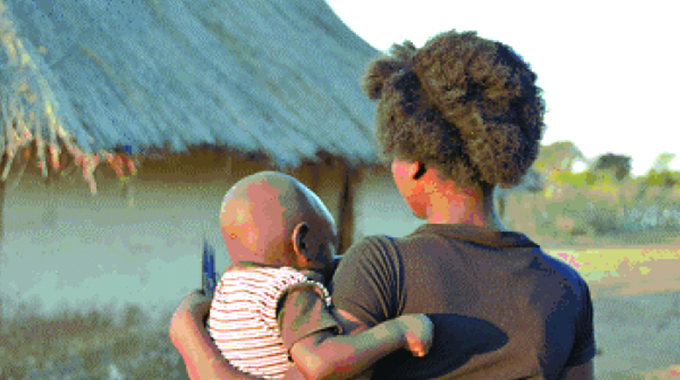
Kudzai Dongo, Tadiwanashe Benjamin and Blessing Mudzingwa
SECTION 78 of the Constitution of Zimbabwe provides that every person who has attained the age of 18 has the right to start a family, and that no person may be compelled to enter into marriage.
On the surface, this appears straightforward. It sets the legal age of marriage at 18 and protects consent. Yet beyond its wording, Section 78 is a serious test of Zimbabwe’s democratic commitment.
For years, child marriage posed a significant challenge in parts of Zimbabwe. Poverty, limited access to education, and certain religious and cultural practices contributed to situations where girls were married before adulthood. Early marriage often ended a girl’s education, exposed her to health risks, and limited her economic independence.
Section 78 was designed to confront this reality by placing constitutional authority above harmful practices.
The significance of this protection was confirmed in the 2016 Constitutional Court decision in Mudzuru & Tsopodzi v Minister of Justice, where the Court ruled that no person under 18 may enter into any form of marriage.
The judgment affirmed the supremacy of the Constitution and reinforced the protection of young girls across civil, customary and religious marriages.
However, a constitutional provision is only as strong as its implementation. Despite the clarity of Section 78 and the Court’s ruling, reports of child marriages persist in some communities.
Economic hardship continues to drive families towards early marriage as a coping strategy.
In other cases, customary norms create tension with constitutional standards. This gap between law and lived reality reveals a deeper issue: rights declared are not always rights delivered.
This is where democracy becomes more than a political slogan.
Democracy is not limited to elections and voting.
It requires the protection of individual dignity, equality and freedom from coercion. When a girl is pressured into marriage before she can make an informed choice, her autonomy is compromised. A State cannot claim full democratic legitimacy if it fails to protect the consent and future of its young citizens.
Section 78 therefore measures whether Zimbabwe’s democracy extends beyond political competition to everyday life. It demands that State institutions enforce the law consistently, regardless of geography or social status. It requires that constitutional rights apply equally in rural villages and urban centres.
At the same time, enforcing Section 78 does not mean dismissing culture. Zimbabwe’s traditions are an important part of national identity. But constitutional democracy establishes clear limits: no cultural or religious practice may override human dignity and equality. Consent is not negotiable.
Protection of this provision also requires broader policy action. Addressing child marriage demands investment in girls’ education, stronger community awareness, accessible reporting mechanisms, and economic support for vulnerable families. Without tackling poverty and inequality, constitutional protection risks remaining symbolic.
Section 78 sends a powerful message: young people, especially girls, are entitled to agency over their futures. That message strengthens both individual rights and democratic trust. When citizens see that the Constitution protects the most vulnerable, confidence in public institutions grows.
Beyond child marriage, Section 78 represents a broader constitutional promise that rights will not be selective or conditional. Its enforcement demonstrates whether Zimbabwe’s constitutional values are practical commitments or mere aspirations.
The true test of democracy is not found only in elections or political rhetoric. It is found in whether the State protects those with the least power.
Section 78 stands as a clear measure of that responsibility. If enforced firmly and consistently, it affirms that Zimbabwe’s democracy is grounded in dignity, equality and real protection not just constitutional language.
The writers are students of International Relations at Africa University with an interest in constitutional governance and democratic development