admin
admin
Gibson Mhaka
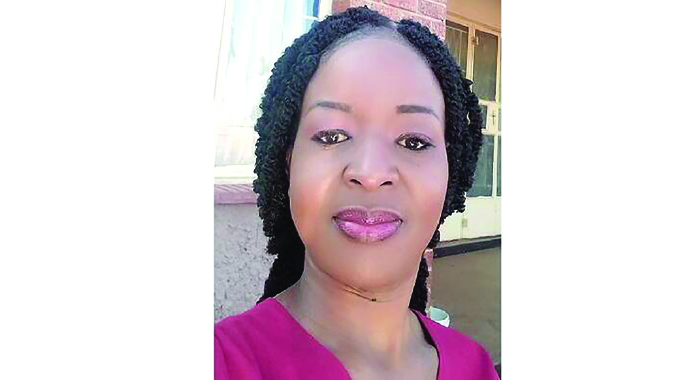
EVERY morning, Nonhlanhla Moyo (54) from Mzilikazi suburb rises before dawn to begin her day as a community sweeper in Bulawayo. Despite the arduous and hazardous nature of her work, she finds fulfilment in keeping the city’s streets clean.
“I have been doing this job for the past 10 years. It’s directly linked to how society views garbage and those who handle it. People naturally avoid touching garbage because it’s unpleasant. Consequently, anyone who cleans up garbage is often looked down upon. It’s a societal mind-set that equates sweepers with garbage,” she explained.
Moyo and her colleagues are part of a happy gang who do a job that has proven repeatedly to be a sad one. Under-appreciated by the society they serve, these women carry on, dragging their heavy loads of despair with them.
They often lack protective equipment and many suffer illnesses or injuries but being unable to work means not being paid. Women face particular risks.
In Bulawayo’s 29 wards, each ward employs approximately 10 community sweepers, primarily women, tasked with maintaining the area’s cleanliness and hygiene.
It is important to note that among waste management services, community sweeping plays the key role of safeguarding the high quality of life and the environment of a city.
Street sweeping and waste management are interdependent processes that contribute to a cleaner, healthier and more attractive urban environment. By investing in these services and promoting public awareness, cities can create a sustainable future for their residents.
“Despite being on the frontline of keeping our city clean and playing a crucial role in waste management, we face numerous challenges. We lack basic equipment like gloves, masks and proper boots to protect ourselves.
“Our wages are extremely low, considering the demanding nature of our work. It’s disheartening to be so undervalued for a job that’s essential to public health and the environment,” lamented another community sweeper, Miriam Sibanda.
From Sibanda’s lament, it is clear that community sweepers need to be recognised as contributors to waste management in the city. Poor waste management creates unsanitary conditions that women and children are especially vulnerable to, leading to respiratory illnesses, skin infections and other health issues.
Bulawayo City Council (BCC) councillors have also underscored the vital role of community sweepers in preserving the city’s cleanliness and health. They have called for significant improvements in the working conditions and wages of these essential workers.
The councillors emphasised the need for better remuneration to attract and retain personnel, as well as the provision of adequate safety equipment and resources to support their work effectively.
Speaking at a recent council meeting, Ward 24 Councillor, Tawengwa Zidya proposed that community sweepers’ wages be increased to align with the current economic conditions.
Also concerned about the role of community sweepers and also given the increased workload brought about by the delimitation exercise, which expanded ward sizes, Ward 29 Clr, Rowen Sekete agreed with Clr Zidya that community sweepers’ allowances should also be adjusted to reflect the additional responsibilities.
“Councillor, Mpumelelo Moyo (Ward 26) noted that a request was made sometime in January 2024 to review the number of Community Sweepers in all the Wards after the delimitation exercise. Most of the Ward space had increased, requiring more community cleaners.
“Councillor, R. Sekete concurred. Ward sizes had increased because of the delimitation exercise. Portions of other Wards had overlapped into other Wards. Ward 29 had expanded and Magwegwe North extension had now been incorporated. This area needed to be cleaned. He also requested that Community Sweepers allowances be reviewed upwards,” partly reads the minutes.
This shows that the plight of community sweepers, characterised by poor working conditions and gender inequalities, remains largely ignored.
This oversight is partly attributable to these women’s limited bargaining power, stemming from their under-representation in policy-making, planning and decision-making processes.
Although these female community sweepers face challenges such as low wages, poor working conditions and limited job security, the implementation of a Gender-Responsive Budgeting (GRB) approach could address these issues.
GRB offers a powerful tool to address the unequal burden of waste management on women in urban areas. By strategically allocating resources and prioritising women’s needs, we can create cleaner, healthier and more equitable cities.
Allocating specific funds to improve their working conditions would be beneficial. This includes providing personal protective equipment, access to healthcare and skills training.
Research has shown that GRB and waste management are interconnected in creating sustainable and equitable urban environments. By considering the specific needs and roles of women in waste management, GRB can contribute to improved services, working conditions and community well-being.
By integrating a gender perspective into waste management through GRB, it is also possible to create more equitable, efficient and sustainable waste management systems.
“Gender-Responsive Budgeting offers a strategic approach to addressing the specific needs and challenges faced by female community sweepers, who are often overlooked in traditional development planning.
“By integrating a gender perspective into budgeting processes, GRB can significantly improve the working conditions, job security and overall well-being of these essential workers,” said Petronella Moyo, a gender activist.
BCC Clr, Perseverance Nyathi, a leading advocate for waste management and climate change issues within the local authority, acknowledged that female community sweepers face numerous challenges in their daily work, significantly impacting their working conditions and overall well-being.
“Gender Response Budgeting can play a pivotal role in enhancing the safety and security of female sweepers by advocating for improved working conditions and addressing societal attitudes.
“This includes raising awareness about the importance of proper waste disposal, reducing litter and combating verbal and emotional abuse directed at female workers.
“GRB can collaborate with local authorities to create a more supportive work environment by providing adequate cleaning materials, offering competitive remuneration and fostering a community that values and respects female sweepers,” said Clr Nyathi.
She said to empower female community sweepers, several strategies can be implemented.
“These include improving their wages by providing competitive salaries, which can significantly alleviate poverty and ensure a decent standard of living and financial stability.
“Socially, offering workshops on various topics can enhance their overall well-being and personal growth. These workshops could cover financial literacy, health and wellness, leadership skills and other relevant subjects,” she said.



 derick.khumalo