Online Reporter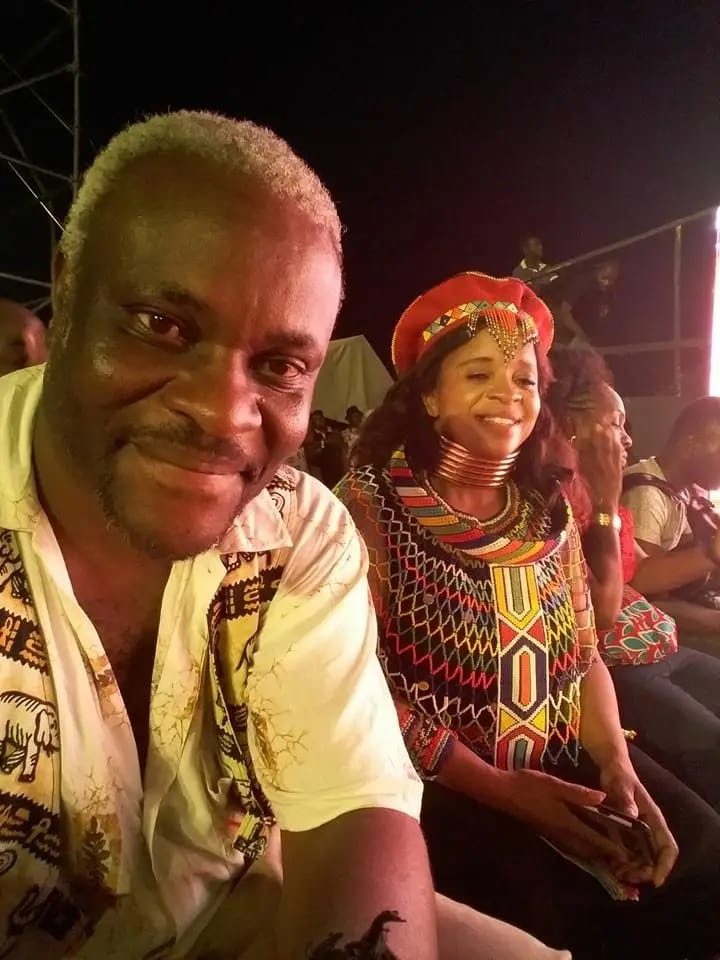
Mbulelo Mpofu Sunday Life Reporter
FOR four decades, the sound of a drum has echoed through Makokoba, spreading messages of hope, unity and cultural pride.
While many have applauded the performances, few have seen the impact beyond the stage, where Bulawayo-based percussionist and founder of Drums of Peace, Lewis Ndlovu, has spent years mentoring young people and serving his community.
This year, he celebrates 40 years in the arts. The achievement coincides with another celebration, as he and long-time South African friend and fellow professional drummer, Thandi Swaartbooi, mark significant birthdays later this year. Ndlovu turns 50 on September 28, while Swaartbooi celebrates her 60th birthday on October 27.
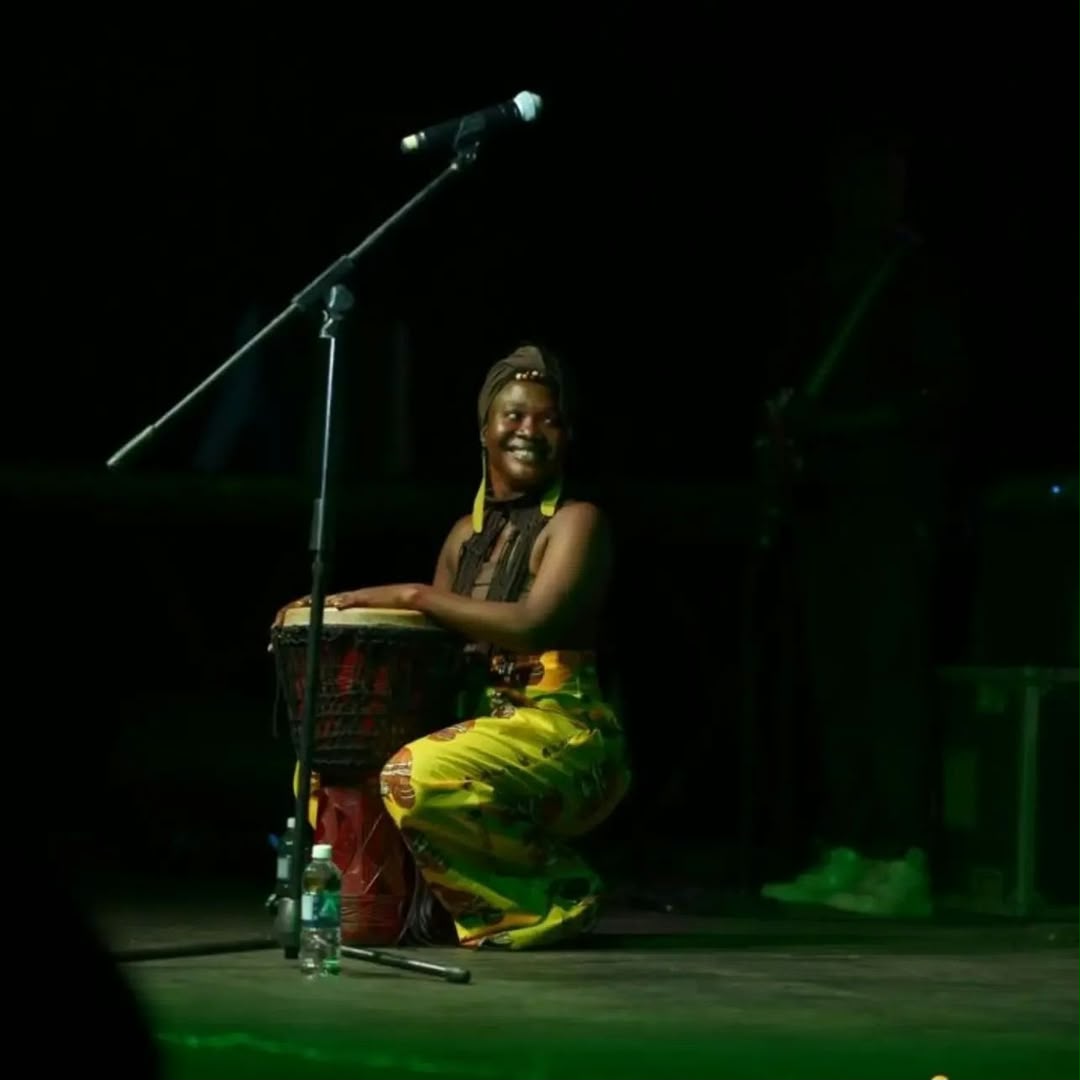
Their birthdays are symbolic not merely because of age, but because they represent four decades spent championing African music, culture and social transformation through one of humanity’s oldest instruments – the drum.
For Ndlovu, the anniversary is less about personal accolades and more about honouring an artistic journey that has continually intersected with community development. His story began four decades ago when the arts became more than an outlet for creativity. They became a classroom for life itself.
“I received training and life skills through the arts,” Ndlovu reflects, crediting the creative sector for shaping the man he has become.
Today, many residents of Makokoba know him less as a performer than by another affectionate title – “Santa Comes to Makokoba”. The nickname stems from an annual community initiative launched in 2017, under the Drums of Peace banner. What started as a modest act of giving has evolved into one of Bulawayo’s most enduring grassroots charitable programmes.
Each festive season, vulnerable children in Makokoba receive groceries, toys, school fee vouchers, uniforms and clothing. Beyond material assistance, the initiative has introduced workshops aimed at empowering the girl child, offered emotional support to children affected by bullying, organised tree-planting campaigns in partnership with the Lions Club and spearheaded anti-drug awareness programmes designed to educate young people about the dangers of substance abuse. The programme has become an annual reminder that community development can be driven by artistes just as effectively as by institutions.
Ndlovu traces the origins of the project to an eye-opening visit to the United Kingdom in 2017.
“I thought to myself, why not create something similar with the intention of ploughing back and giving back to the community, especially the children that always come to the youth centre where I work from? My background also contributed to starting this noble programme, as I grew up in a poor family and know how it feels to sleep hungry,” he recalled.
Launching such an initiative was no easy task. When he first shared the concept with friends, support came from several quarters, including the late politician, philanthropist and national hero, Tshinga Dube, whose contribution of pencils and exercise books helped lay the foundation for what has since become a cherished community tradition. Yet philanthropy tells only part of Ndlovu’s story.
His artistic journey has transcended borders, reinforcing the notion that culture can unite communities separated by geography, but connected through heritage. One of those enduring connections is his friendship with Swaartbooi. The pair first crossed paths during Africa95, the landmark Britain-wide celebration of African music, dance, poetry and visual arts held over several months in 1995. More than two decades later, fate reunited them in Nigeria in 2017. Their friendship quickly revealed remarkable similarities.
Both dedicate their professional lives to youth centres, cultural programming, heritage preservation, advocacy work and community performance. Both view drumming, not simply as music, but as a vehicle for education, healing and social cohesion.
Their shared mission reflects a philosophy Ndlovu has embraced throughout his career.
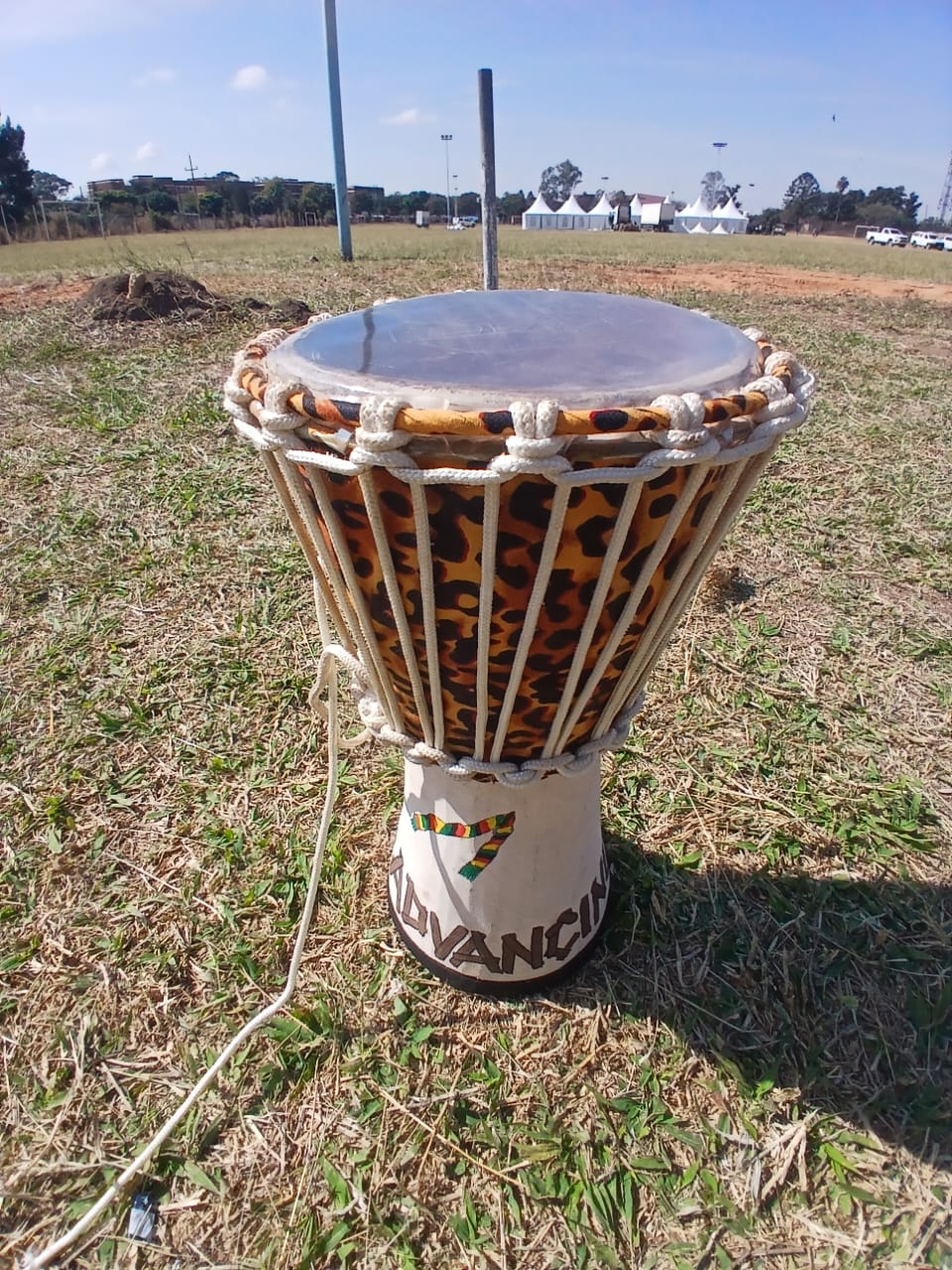
“Music is a universal language and knows no boundaries. A nice song from Zimbabwe can be more enjoyed by South Africans or vice versa. So, we having so much in common and the use of music to strengthen our ties between our countries, is centred around the drum, an ancient instrument that was used for sending messages.”
The statement speaks to the drum’s historic significance across Africa, where rhythm has long functioned as communication, ceremony, storytelling and collective memory.
As Ndlovu marks four decades in the arts, he hopes to inspire a new generation to see the creative sector as more than entertainment. To commemorate the milestone, he has invited drummers, cultural practitioners and lovers of the arts to gather at Thabiso Youth Centre in Makokoba on August 20 for a celebration dedicated to the instrument that has shaped his life.
For him, the occasion is not merely a concert, but a call to action. “The arts are more than entertainment – they are a bridge. Equip the next generation with leadership skills, take arts programmes into schools and keep sharing positive stories.”
It is a philosophy that mirrors the life he has quietly built. While some artistes measure success by awards, chart positions or international recognition, Ndlovu’s legacy is written in children who stayed in school because someone paid their fees, young people who chose purpose over drugs, girls who found confidence through mentorship, and communities strengthened through culture.
In an era where public attention often gravitates towards celebrities, Ndlovu reminds masses that some of society’s greatest cultural icons are those whose loudest applause comes not from concert halls, but from transformed communities. After forty years behind the drum, his greatest performance may well be the lives he has helped change – one beat, one child and one act of kindness at a time. – Follow on X@MbuleloMpofu