Online Reporter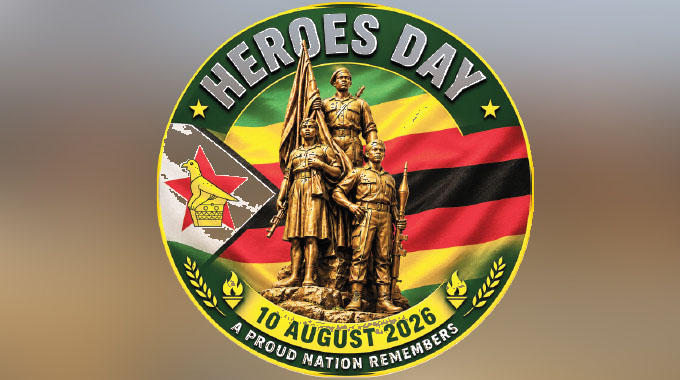
AS Zimbabwe commemorates Heroes’ Day, the theme “Lest We Forget” reminds us that the freedom we enjoy today came at a great cost.
This day is not simply a public holiday, it is an opportunity to honour those who sacrificed their lives and contributed to the liberation of Zimbabwe.
The roots of the Second Chimurenga can be traced to colonial injustices, including land dispossession, racial discrimination and the denial of political rights to the African majority.
The situation worsened when Ian Smith declared Unilateral Independence (UDI) in 1965, in an attempt to preserve white minority rule.
The liberation struggle involved thousands of Zimbabweans.
Zanla and ZPRA fighters took up arms, while women played important roles as combatants, messengers, caregivers and supporters. Communities and mujibhas provided food, shelter, information and communication. Songs and pungwes became powerful tools for political education, mobilisation and keeping the spirit of resistance alive.
Zimbabwe’s liberation was also supported by the Frontline States, including Zambia, Mozambique and Tanzania, which provided training, shelter and other assistance to the liberation movements.
The struggle eventually led to the Lancaster House Conference of 1979, which paved the way for a ceasefire, elections and majority rule.
On 18 April 1980, Zimbabwe finally attained independence.
Today, the names of many liberation heroes live on through our streets, roads, schools and institutions.
Names such as Joshua Nkomo, Josiah Tongogara, Herbert Chitepo and Leopold Takawira are not merely names on signposts, they are reminders of the sacrifices made for our freedom.
The theme “Lest We Forget” is particularly important for today’s generation.
We must not allow the sacrifices of the liberation generation to disappear from our collective memory. Young Zimbabweans must learn their history, understand the struggles of those who came before them and appreciate the value of independence.
Remembering our heroes should also inspire us to embrace patriotism, unity, responsibility, education, hard work and integrity. The best way to honour those who fought for Zimbabwe is to contribute positively to the country’s development.