Online Reporter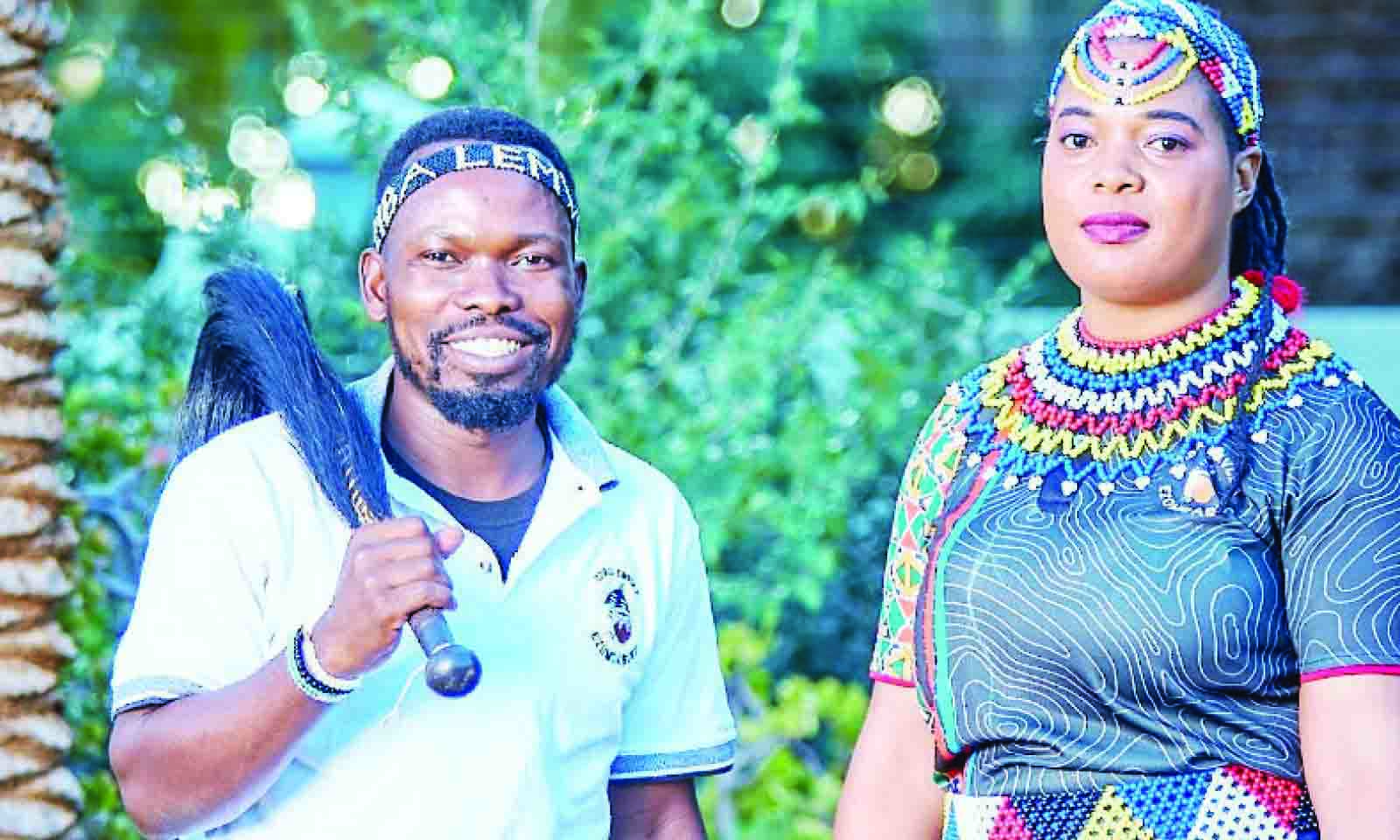
Langalakhe Mabena,
Zimpapers Arts and Entertainment Hub
TRADITIONALIST and musician Evias Bhebhe, of the Dziba Le Mvula fame, has revealed that it is important to document the traditions and beliefs of black people through music.
Bhebhe, who is also a traditional healer, released his sixth album titled ‘‘Ukufa Kwangenza.’’ It has different thematic concerns surrounding scenarios that traditional healers go through, from the initiation process as well as on their daily practices.
“It’s important for us as black people to preserve our culture through music so that a lot of our important information can be shared with others and passed from one generation to the other. “If you check properly, here in Zimbabwe many people have lost their humanity as they shy away from practicing different traditions that identify with us.
“On this album, I re-imagined different folklore traditional music and fused it with my own interpretations so as to spread the word on the importance of our culture, encouraging people to embrace it and go back to practicing our African rituals,” he said.
On the six-track album, Bhebhe worked closely with his wife Gogo Mankosi, who is also a traditional healer.
Bhebhe said he tries by all means to make sure that he creates music that can be cherished by traditionalists and also be listened to by Christians.
“I was a pastor before I received my calling of traditional healing. When I started doing this kind of music, I faced resistance.
“However, with time people started to give an ear to my craft. Today, even those who are Christians are not afraid to play the songs of our culture as I fused it with the latest beats.
“I realised that if I delivered my music with traditional drums and Amahlwayi (leg rattles) many were not going to embrace or wish to be associated with this music.
“Hence the fusion of both traditional compositions, and contemporary instrumentation, has paid off and many now embrace my music” said Bhebhe. On this project, Bhebhe said he managed to fuse ingoma zama khehla le zabogogo (songs of traditionalists who have different callings and serving different ancestors).
“Ancestors are different, hence their songs. Some sing songs and use ingungu (drums), while some use izikeyi (logs). On this album, we accommodated everyone as we did songs from both these perspectives.”