Online Reporter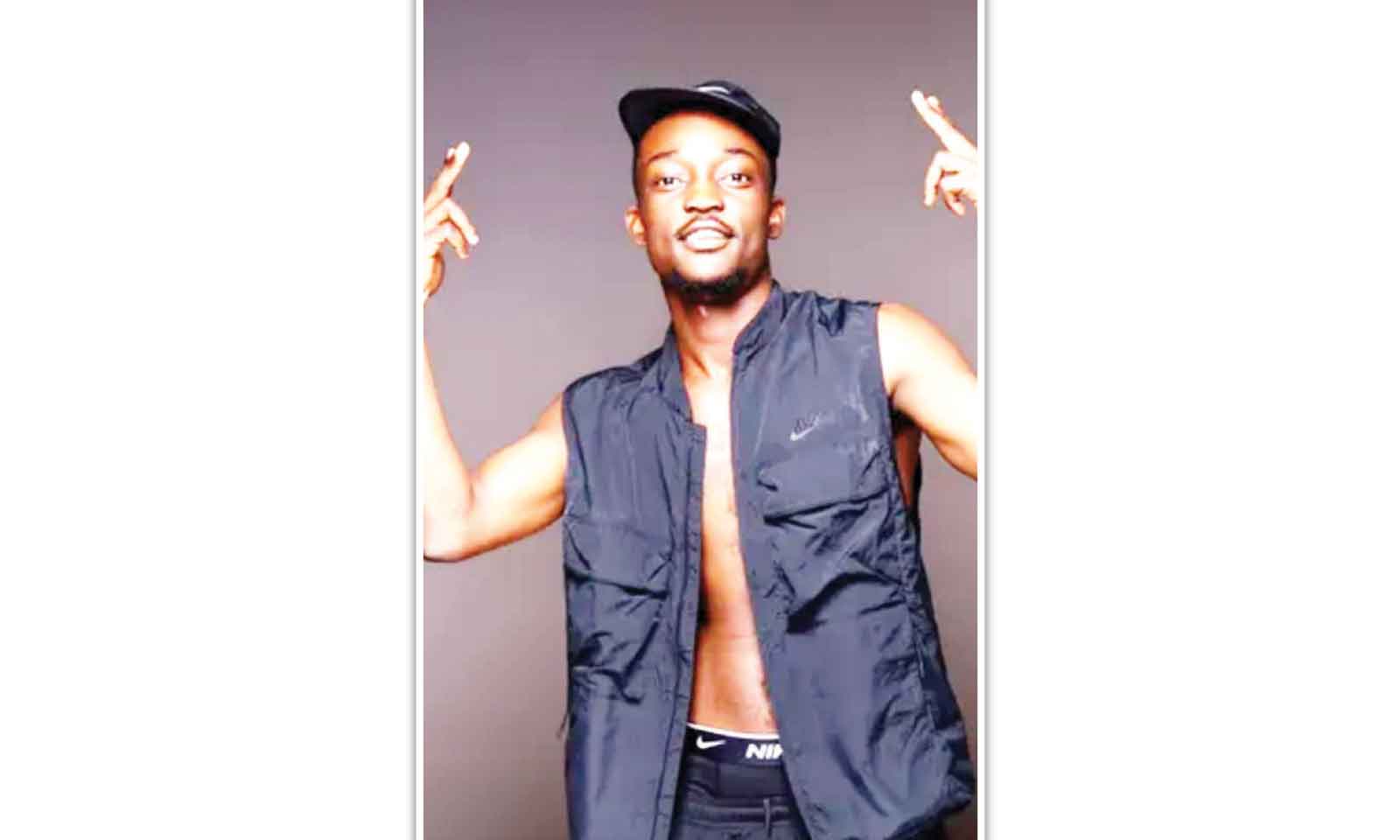
Fans have expressed concern over the number of car accidents that the Limpopo artists have been involved in.
A few days ago, fans were shocked after finding out that Makhadzi was involved in a car crash that left her hospitalised, and now, a few days later, Lekompo musician, Tribby Wadi Bhozza (real name Tshepang Mphahlele) was also involved in a car accident on his way to a gig on Saturday night, January 3.
According to multiple online reports, the musician was on his way to Seshego, a township near Polokwane when the crash occurred.
Even though social media has been flooded with pictures of his wrecked car, it has been revealed that he survived with minor injuries and is recovering well. His team members were also unharmed.
The 21-year-old has joined the list of many Limpopo artists who have been involved in car accidents over the festive season including Makhadzi, Kharishma and Kaycherlow NLL.
On New Year’s eve, Makhadzi was involved in an accident while she was travelling from Limpopo to Johannesburg for a gig.
She sustained multiple injuries and was also hospitalised for nearly a week.
On Monday, Makhadzi revealed on social media that she will be in recovery for the next 10 weeks, as per doctors orders.
In October, Kharishma (real name Melita Mogale) was involved in a fatal crash that left her hospitalised and also claimed the lives of two of her friends that was travelling with her.
While in the early days of December, rising star Kaycherlow NLL (real name Lehlogonolo Khwinana) got involved in a car accident as well, and sustained injuries that left him hospitalised.
Social media was flooded with messages from fans expressing concern about the numerous accidents involving Limpopo artists.
“What is happening in the Limpopo music industry mara? Lekompo artists are frequently involved in car accidents..” a fan commented.
“Is it exhaustion, alcohol or speed? Like I’m genuinely trying to understand man,” another fan shared.
Another fan added: “Who’s driving these people really? They can’t be performing and driving themselves.” − IOL