Online Reporter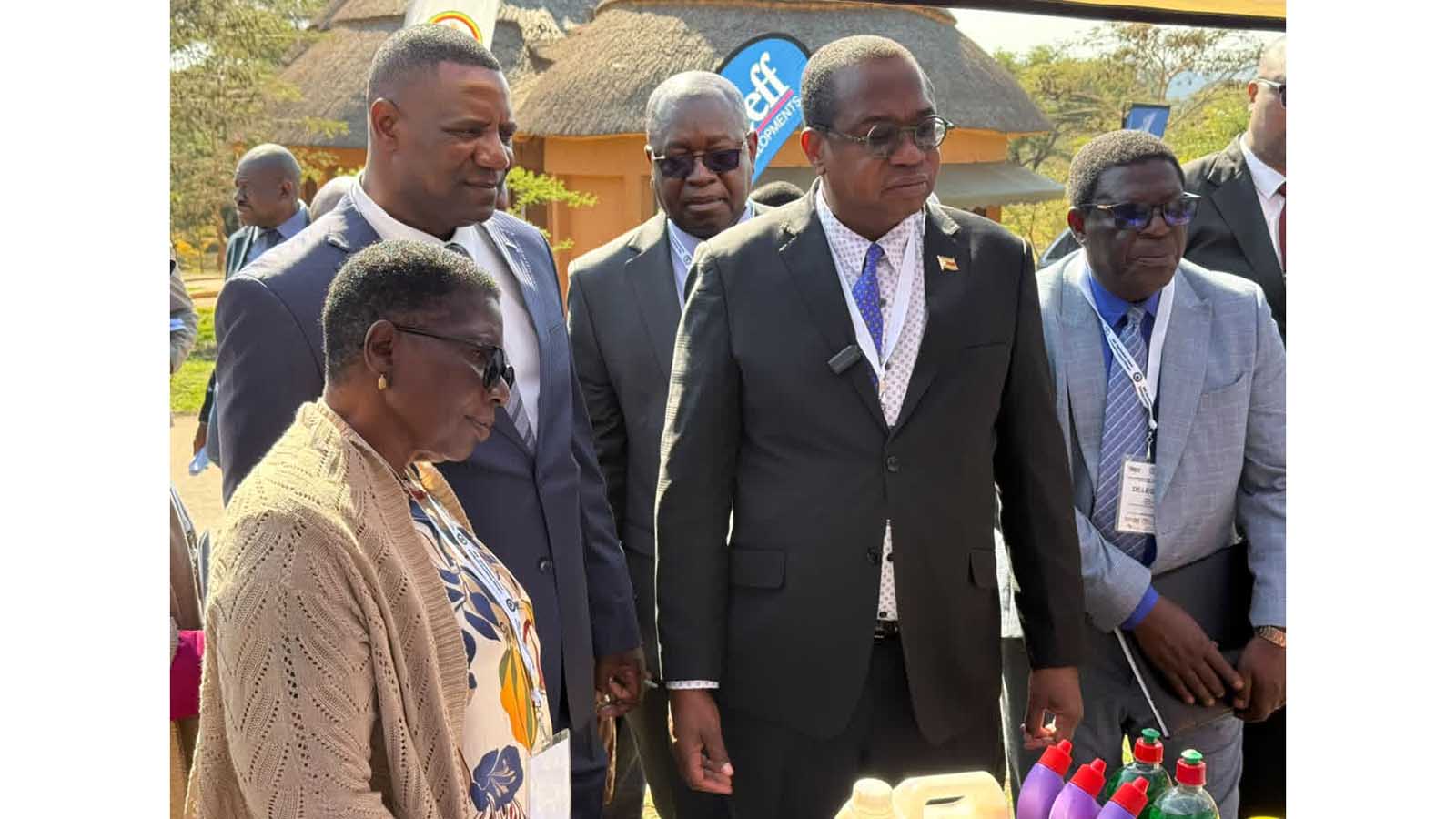
Fungai Lupande
Mashonaland Central Bureau
BINDURA Rural District Council (RDC) has unveiled a portfolio of high-impact investment opportunities worth more than US$110 million, targeting partnerships in water supply, tourism, housing, renewable energy, waste management and industrial development as the local authority positions itself as a major economic growth centre.
Presenting the opportunities at an investment forum, council official Ms Cynthia Mahomadi said the district was offering “structured and scalable investment platforms” under flexible Public-Private Partnership (PPP) models.
Among the flagship projects is the US$4,5 million Manhenga Bulk Water Plant, designed to provide potable water to communities that have endured years without reliable supplies.
The project, located about 75 kilometres from Harare along the Domboshava Road, already has land, water sources and feasibility studies in place, making it ready for immediate implementation.
Council plans include constructing a 17-kilometre pipeline from Masembura Dam and a 300-cubic-metre reservoir to serve the growing Manhega area.
Ms Mahomadi said the project would improve living standards and support the country’s Vision 2030 agenda by ensuring access to clean water.
“Bindura RDC is also seeking investors for the US$5 million Paradise Pools Leisure Facility at Arcadia Dam in Ward 9,” she said.
“The tourism project, which is partially operational, aims to transform the scenic area into a fully-fledged hospitality and recreation destination featuring hotels, lodges, conference centres, camping sites, boat-launching facilities, swimming pools, adventure parks, zip lines, horse riding and fishing activities.”
She added that Paradise Pools, renowned for its interconnected natural pools, had the potential to stimulate domestic tourism, create jobs and support small businesses.
In housing and infrastructure, the council has identified several areas earmarked for urban expansion, including Manhenga, Muonwe, Nyava and Rutope.
Master plans have already been prepared, with layout designs and subdivision processes underway.
The developments are expected to accommodate residential and commercial properties, SME industrial hubs and supporting infrastructure such as roads, sewer and water systems.
On the energy front, Bindura RDC plans to establish a 50-megawatt solar power plant at Kingston Farm for US$50 million.
The project already has 50 acres of land available and is expected to contribute significantly to Zimbabwe’s renewable energy capacity.
The district has also set aside 10 hectares at Kingston Farm for a US$500 000 solid waste landfill project aimed at promoting waste-to-value initiatives through recycling, resource recovery and possible energy generation.
To boost entrepreneurship, the council intends to establish SME market stalls in Manhenga, Muonwe, Nyava, Rutope and Gowa business centres.
“The US$500 000 project will provide organised trading spaces and stimulate economic activity in rural communities,” said Ms Mahomadi.
Meanwhile, Bindura RDC is pushing ahead with the ambitious Pote Valley Smart City project, envisioned as a modern urban centre featuring universities, hospitals, shopping malls, golf estates, hotels, conference centres, game parks and a proposed 60 000-seat FIFA-approved stadium.
“Phase One of the development already has an investor, while council is seeking partners for Phase Two, which is expected to commence after the completion of the first stage within 12 to 18 months,” she said.
Located 65 kilometres from Harare via Glendale and 45 kilometres through Domboshava, the smart city is expected to redefine urban development in the district.
Ms Mahomadi Council said Bindura was not merely offering projects but opportunities capable of delivering sustainable returns and transforming the district into a thriving investment destination.
“Bindura is not just offering projects. We are offering structured, scalable investment platforms ready for partnership. One destination, several opportunities, investment matters,” she said.