Online Reporter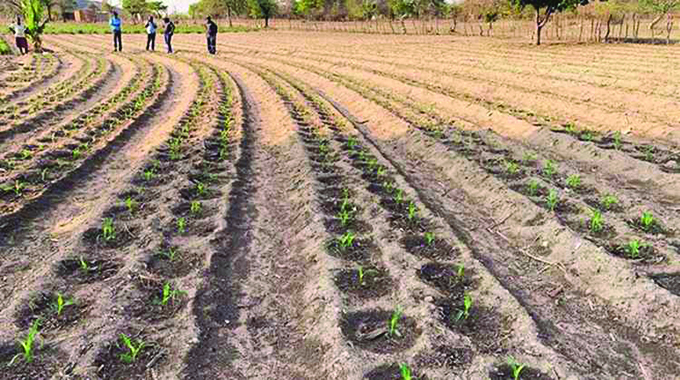
Sikhumbuzo Moyo, [email protected]
FARMERS in Manjolo, Binga District in Matabeleland North Province, are growing increasingly anxious as a new pearl millet variety, Okhatshana 1, continues to grow abnormally tall without showing signs of maturity.
The unusual crop behaviour has sparked widespread concern among villagers under Chief Sikalenge, as other millet varieties planted simultaneously have already matured, with some farmers beginning to harvest.
“We have never seen anything like this before. The millet keeps growing taller, but it’s not producing grain.
Meanwhile, other varieties are ready for harvesting,” said Mrs Salia Musambazi, a farmer in Manjolo.
The affected millet was distributed under the Government’s Pfumvudza/Intwasa programme, which aims to boost food security. However, farmers now fear they may face significant losses if the crop fails to mature in time.
Keramenda village head, Mr Kenneth Munenge, echoed similar sentiments, saying the villagers were worried about the new millet variety.
“People are confused because we rely on millet for food and income.
“This crop has grown so tall yet remains immature. Others who planted a different variety have either started harvesting or are about to,” said Mr Munenge.
However, the Agricultural Rural Development Authority (Arda) officer for Binga, Mr Pedias Ndlovu, assured farmers that the crop’s delayed maturity was due to excessive rainfall received during the 2024/25 season.
“Binga received above-normal rainfall, which led to excessive moisture in the soil.
“This has affected the millet’s growth cycle, but farmers should not panic as the crop will eventually mature,” he said.
Mr Ndlovu said under the Pfumvudza/Intwasa programme, 2 013 hectares in Binga were put under pearl millet, 2 505 hectares under sorghum and 1 616 hectares under maize.
He said they will conduct further assessments to determine the millet’s progress and advice farmers on the way forward.
“Following our initial crop assessment, we project a harvest of 0,2 metric tonnes of pearl millet and 0,3 metric tonnes of sorghum, provided conditions remain favourable.
“A second-round crop assessment will be conducted soon,” said Mr Ndlovu.