

 Online Reporter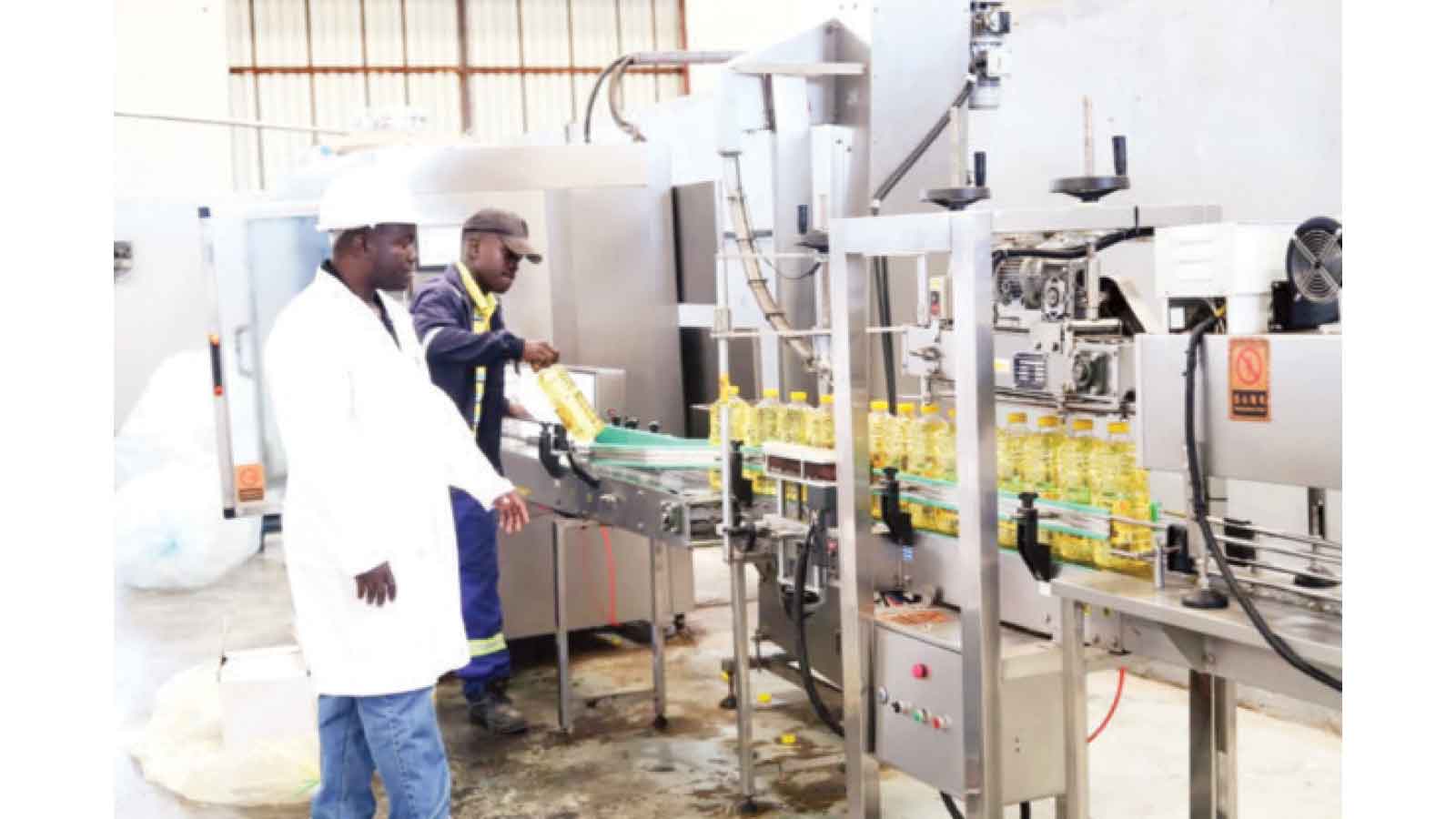
Theseus Shambare recently in MUTOKO
ZIMBABWE’S rural industrialisation drive is beginning to yield results as the country steps up efforts to cushion itself against global shocks that have disrupted trade routes and exposed import-dependent economies to food insecurity and economic volatility.
While the country has made significant strides towards wheat self-sufficiency, recent global conflicts have highlighted persistent vulnerabilities in fuel supply — a challenge Zimbabwe is now moving to decisively address.
Efforts to scale up local biofuel production are gathering momentum, with the transformation of the Mutoko Bioeconomy Industrial Park project into a fully-fledged industrial park marking a major milestone in the country’s energy security strategy.
The push comes as Zimbabwe continues to spend over US$1,5 billion annually on fuel imports, underscoring the urgency of investing in alternative, locally produced energy sources to ease pressure on the import bill.
The Mutoko facility, located on the north-western fringes of Mutoko Centre and spearheaded by Finealt Engineering — a State-aided agency under the Ministry of Higher and Tertiary Education, Innovation, Science and Technology Development — is set for official commissioning by President Mnangagwa next month.
Originally established in 2006 as a small jatropha-based pilot project, the facility has since evolved into an integrated industrial hub producing biodiesel, cooking oil and soap.
The biodiesel plant, which previously produced about 3 000 litres per day, has been significantly upgraded and is now expected to produce over 22 000 litres daily once fully operational — a major boost to alternative fuel production and efforts to reduce import dependence.
Construction and installation work at the industrial park are now between 80 and 90 percent complete, with key infrastructure — including paving, painting and landscaping — nearing completion, while some production units are already operational.
To strengthen operational resilience, the facility has also installed a 100 kVA generator, which is currently powering the cooking oil and soap plants during electricity outages.
During a progress follow-up by this publication on Friday, plant chemist and site manager Mr Showman Mponda said the facility was now in its final phase, with test runs underway on the upgraded biodiesel plant.
“We are almost done with preparations for commissioning. Most of the critical works have been completed, and we are now focusing on final testing, particularly for the biodiesel plant,” he said.
In addition to biodiesel production, the industrial park houses cooking oil and soap plants, which are already fully functional and supplying the local market — signalling a shift from pilot operations to full-scale manufacturing.
The cooking oil unit is processing up to 20 tonnes of sunflower seed per day, producing around 5 000 litres of refined oil, while the soap plant is producing 800 bars per hour and up to 2 000 tablets per hour.
Beyond energy production, the industrial park is strengthening rural value chains by sourcing raw materials from farmers in Mutoko, Mudzi and Mrewa, creating a ready market for sunflower and jatropha growers.
The development is also transforming livelihoods, with at least 68 workers employed at the site, including permanent staff, contract workers and students on industrial attachment.
Ms Chantelle Paidamoyo Muketiwa, a technology production engineer and graduate from Chinhoyi University of Technology, said the facility had become a critical platform for skills development.
“This project is giving us practical exposure in industrial production and processing, which is important for building local expertise,” she said.
Mr Wilson Muyengwa, a buyer and warehouse stores manager who started as a local farmer supplying raw materials, said the project had created life-changing opportunities.



