Online Reporter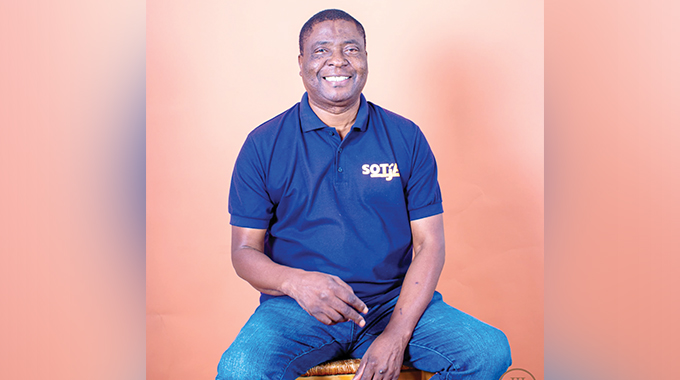
Langalakhe Mabena, Zimpapers Arts and Entertainment Hub
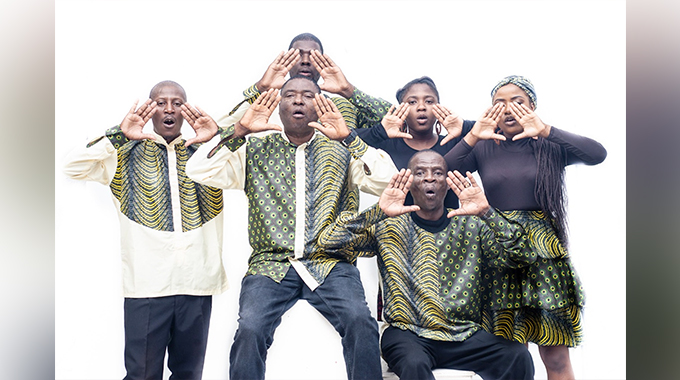
WHEN globe-trotting Imbube ensemble Black Umfolosi composed their signature tune Unity, in December 1987, their lived experiences before that year inspired them to create a song that would advocate for peace and immediate change in Zimbabwe.
Although the country had attained independence, peace and joy were still elusive for many citizens. Political violence and power struggles defined the era, stalling national progress and deepening divisions among communities.
As one of the active musical groups at the time, Black Umfolosi felt compelled to respond to the prevailing social climate through song. They saw it fit to compose a piece that would preach peace and unity among Zimbabweans, regardless of ethnic or tribal differences.
Coincidentally, behind the scenes, the country’s leadership — the late former President Robert Mugabe and the late Vice President Joshua Mqabuko Nkomo — were also engaged in diplomatic efforts to heal the nation. These efforts culminated in the signing of the Unity Accord on December 22, 1987.
The agreement, signed by leaders of the two major liberation movements, Zanu-PF and PF-Zapu, sought to heal the wounds of the past and foster national cohesion.
As Unity Day approached, Black Umfolosi were invited to perform at the historic signing ceremony held at the Harare International Conference Centre (HICC). They were initially scheduled to perform their popular song 1980, Happy Birthday to You Zimbabwe.
However, when the group took to the stage, they seized the moment and performed the newly composed, Unity. The bold decision paid off, as the song instantly resonated with the audience.
From that moment, Unity became deeply embedded in the national consciousness and has since served as the theme song for Unity Day commemorations.
On Monday, December 22, Zimbabwe will commemorate Unity Day. Ahead of the celebrations, Zimpapers Arts and Entertainment Hub spoke to Black Umfolosi co-founder Sotsha Moyo, who reflected on the origins of the group’s iconic song Unity and the significance of Unity Day.
He said taking a chance on that night in 1987 worked in their favour, propelling the group’s status on the local arts scene and giving the song an almost anthem-like standing.
“About a day or two before Unity Day, we gathered and decided to pen a song that reflected on the difficult experiences we faced before 1987. Because of the situation then, we made the song simple in composition but strong in message.
“We imagined what Zimbabwe could achieve if people united for one cause. We then developed those imagined visuals into words, and the song Unity was born,” Moyo said.
He said the bold decision to perform an unrecorded song proved transformative for Black Umfolosi, earning them a standing ovation from the packed auditorium, including President Mugabe and Vice President Nkomo.
Within days, recording company Gramma Records contacted the group to record the song, marking the beginning of Unity’s enduring legacy.
Reflecting years later, Moyo said the song’s message has proven prophetic. Since the signing of the Unity Accord, Zimbabweans have increasingly worked together across various sectors to develop the nation. He added that under the Second Republic, led by President Emmerson Mnangagwa, the country has witnessed notable development driven by collective effort.
Moyo said the philosophy “Ilizwe lakhiwa ngabanikazi balo” (a nation is built by its people) continues to inspire citizens to work together in rebuilding the economy.
“I believe this song has fostered good relations among Zimbabweans. Back then, people didn’t appreciate each other because of ethnic and tribal differences. Today, we are embracing and supporting one another.
“Without unity, there can be no development. Thirty-eight years after the Unity Accord, we have seen meaningful progress — roads, schools and infrastructure — achieved through working together as one people.”
Moyo said the dreams and prophecies captured in Unity are gradually being realised.
“The visions we tried to interpret to the masses are now coming true. We’re happy to be cultural custodians who showed that anything is possible when people are united,” he said.
He urged Zimbabweans to remain committed to unity as the country marks Unity Day 2025, whose theme focuses on unity, peace and national development.
At last year’s Heroes Day commemorations, President Mnangagwa praised Black Umfolosi for their enduring contribution to national unity through the song, Unity. In recognition, the ensemble was awarded the Order of the Star of Zimbabwe Bronze Medal.
“The song fosters unity in recognition of the fact that we are one people and one nation of Zimbabwe, despite our diverse geographical locations. From Plumtree to Mutare, from Beitbridge to Chirundu, we are one people, united by one national flag and one national anthem,” said President Mnangagwa at the commemorations.