Online Reporter
Theseus Shambare, Features Writer
WHEN 32-year-old Dephinate Chitsaka walked into Sally Mugabe Central Hospital last Saturday, she did not expect her family to grow from three children to six in a single moment.
She describes the birth of her triplets as both a miracle and an emotional earthquake she is still learning to process.
While she celebrates the blessing, she admits that the financial and physical demands ahead feel overwhelming.
She now faces the daunting reality of providing more food, more clothing, more diapers and more medical visits than she ever anticipated.
“This was my fourth pregnancy and I never thought I would give birth to triplets,” she said.
Dephinate said even producing enough breast milk for three newborns has become an urgent daily worry.
Her story mirrors that of many Zimbabwean mothers who navigate the added responsibilities of raising multiples with strength, creativity and a determination to secure a better future for their children.
Multiple births occur in about three percent of deliveries globally, but sub-Saharan Africa has some of the highest twinning rates in the world.
In Africa, especially in West and Central regions, twinning rates can rise as high as 25 to 45 births per 1 000 deliveries, largely due to genetics, maternal age and increasing access to fertility treatments.
While multiple births bring joy to families and communities, they also come with significantly higher risks and responsibilities.
Research by Joshua Kembo, “Determinants of Infant and Child Mortality in Zimbabwe”, as well as clinical findings from Mpilo Central Hospital, show that babies from multiple pregnancies face higher risks of low birth weight, complications at delivery and greater vulnerability in the first months of life.
These medical challenges often intersect with economic pressures that make it harder for mothers to cope.
Ms Tendai Magava, another mother to multiples, has lived through these hardships for more than a decade.
Her triplets — Collins, Courtney and Confidence — were born in 2014 and they are now preparing to start Grade Six in 2026.
She remembers the early months as a period of joy quickly shadowed by sudden hardship.
Her husband, Nathan, lost his job soon after the triplets arrived, leaving the family with no stable income.
She began vending in her neighbourhood to keep food on the table, while Nathan repaired bicycles in the community to earn a little extra money.
Confidence, one of the triplets, developed a recurring ailment that kept him in and out of hospital for years.
Tendai recalls carrying one baby on her back, another on her chest and the third in her arms while holding her firstborn daughter’s hand as they walked to clinics.
She said many people admired her strength, but very few understood the tears she shed in private.
“People would look at me carrying three babies and think I was managing just fine,” she said.
“They did not see the nights I cried alone, or the days I worried about where the next meal would come from.”
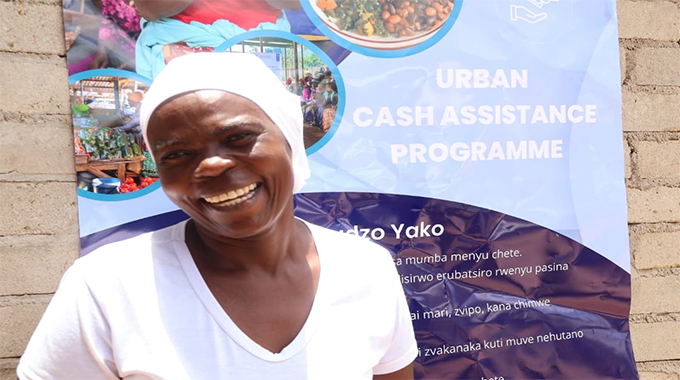
Her turning point came when the World Food Programme (WFP), in partnership with the Government of Zimbabwe, introduced the Urban Cash Assistance Programme.
“The support came just when we were losing hope,” Ms Magava said.
“I could finally buy mealie-meal, vegetables and even cover transport to school or the clinic. It has made a huge difference.”
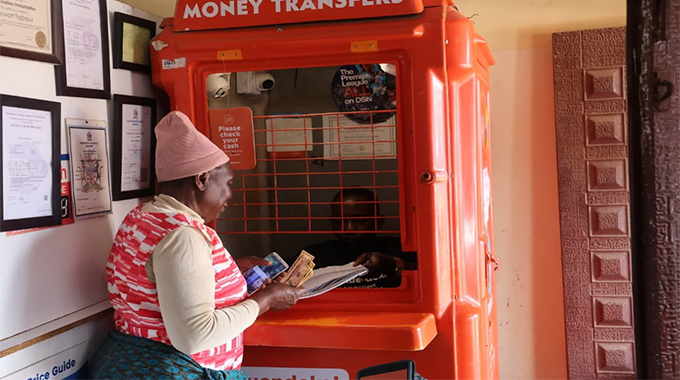
The programme, running from August to December 2025, supports more than 8 400 vulnerable individuals across Wards 3, 6 and 7, of Epworth, providing cash through digital services such as Mukuru and EcoCash.
“It is a lifeline,” said Ms Magava.
“It has restored dignity to our household and given us the stability we had never felt before.”
WFP Head of Harare Field Office, Ms Bianca Dzwairo, said cash assistance empowers families by allowing them to prioritise their needs.
“Cash gives families choice. They can decide whether to buy food, pay rent, purchase medicine, or cover school fees.
It restores dignity and builds resilience,” Ms Dzwairo said.
She said the cash-based transfers also stimulate local economies.
“When beneficiaries spend in local markets, they support small businesses, which strengthens the community economy,” Ms Dzwairo said.
“The digital system makes the process transparent, accountable and secure.”
Ms Dzwairo described the Epworth pilot programme as a milestone in Zimbabwe’s social protection efforts.
“This is the first time WFP and the Government of Zimbabwe have jointly implemented a cash-based programme of this scale in an urban area.
“It demonstrates a commitment to modern, people-centred humanitarian support,” she said.
For Ms Magava, the programme has not only improved the household economy but also eased her emotional burden.
“Now I can plan better, make decisions calmly, and focus on my children’s growth,” she said.
Across Zimbabwe, mothers of multiples face similar challenges.
“They eat more, visit clinics more often, and require more care than a single child,” Ms Magava explained from her experience.
“The pressure to produce enough breastmilk and manage daily needs is intense.”
Health workers note that mothers of twins and triplets often struggle with fatigue and stress.
“Many of them rarely get time to rest,” said a nurse at Sally Mugabe Central Hospital.
“Without support, the continuous cycle of feeding, carrying, and comforting several infants can become overwhelming.”
These challenges highlight the importance of strengthening maternal health systems to ensure better care for high-risk pregnancies.
Zimbabwe’s hospitals and clinics continue working to expand access to antenatal services, improve delivery outcomes and support mothers who require specialised care.
The introduction of urban cash assistance adds another layer of resilience by addressing the economic pressures that directly affect child wellbeing.
Meanwhile, Dephinate remains hopeful as she looks at her three newborns sleeping peacefully.
She said although the future feels uncertain, she believes mothers who came before her show that it is possible to raise triplets successfully.
She hopes that support programmes like those in Epworth will one day reach her community as well.
Ms Magava said watching her boys prepare for Grade Six is a reminder that her struggle has not been in vain.
She acknowledges that feeding and educating three boys in the same grade remains a challenge.
Ms Magava however said she is grateful that despite the difficulties, her children are growing, healthy and full of life.
“Confidence (one of the triplets) still needs assistance but I thank God they are all alive,” she said.
Her journey, like many others across the country, reflects the resilience and determination of Zimbabwean families raising multiple children under demanding conditions.
Ms Magava said she did not choose to have triplets, but she chose to fight for them.
She believes that with a little help and continued hard work, she can keep pushing forward.