

 Online Reporter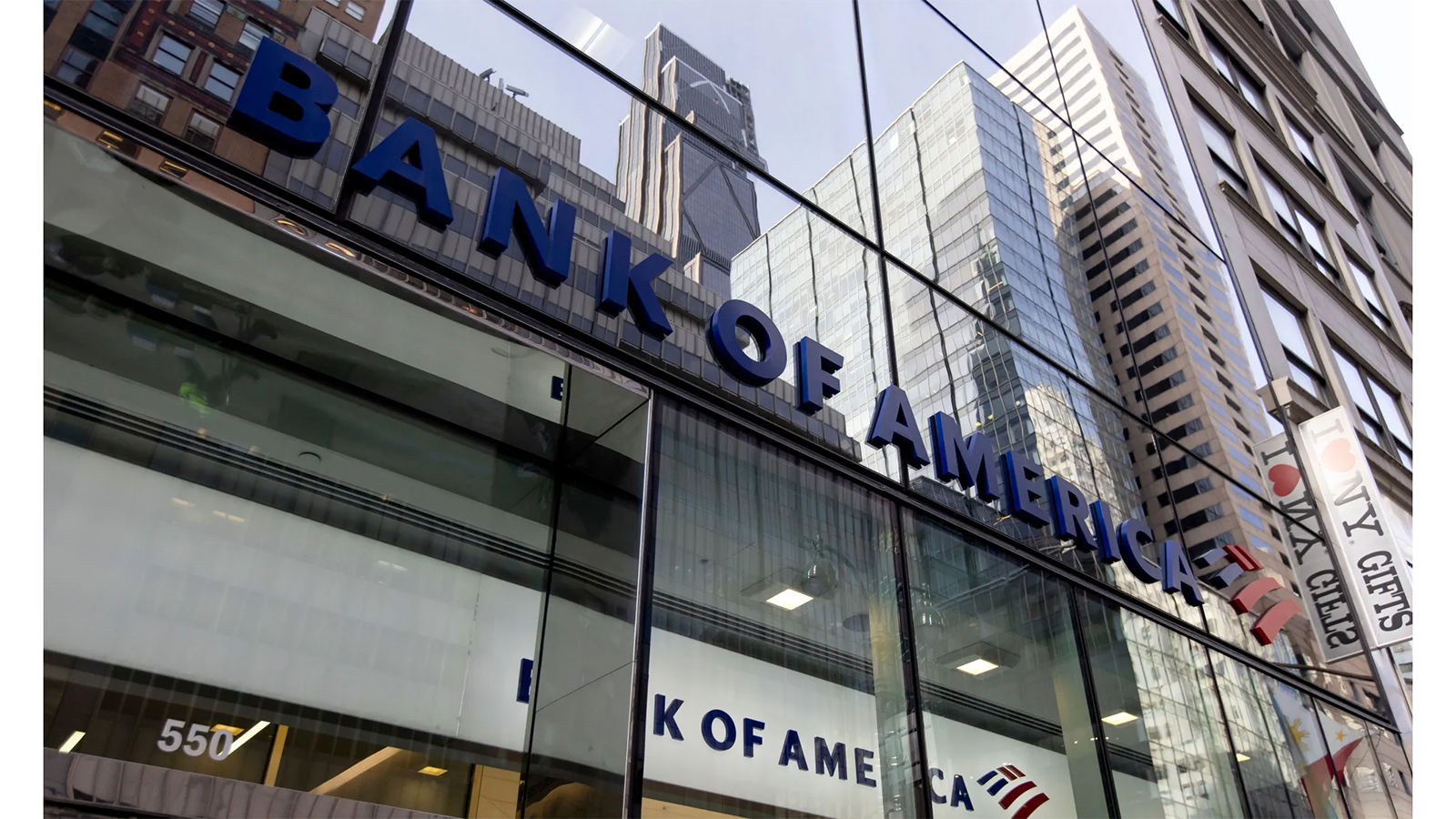
Companies borrowed a record US$207 billion in the US investment-grade market in September, more than Wall Street’s top underwriter of the debt, Bank of America Corp, had expected.
Last month’s haul ranked as the fifth-largest monthly total on record, and the second largest outside the Covid-19 era, according to data compiled by Bloomberg. Falling borrowing costs and a seemingly insatiable demand from investors chasing still-attractive bond yields are encouraging corporations to pull forward their plans to raise money to refinance bonds maturing in the coming years, fund acquisitions and spend on their capital.
“We were a bit surprised with how busy September turned out to be,” Dan Mead, head of the investment-grade syndicate at BofA, said in an interview. “We were expecting a busy month but not a record-setting month.”
As dealmaking across sectors globally picks up at a record-setting pace, Mead expects a good portion of the mergers and acquisitions activity, as well as AI build-out, will likely be financed in the high-grade market, boosting overall sales volumes over the years.
Oracle Corp. borrowed US$18 billion in high-grade bonds in September, the market’s second-largest deal this year, as the software maker ramps up its spending to meet the needs of the artificial intelligence boom. Bank of America was among the banks that helped manage the deal.
“The mindset from corporate America is shifting to more of a growth story, and that will likely lead to perhaps additional CapEx that is further driving the debt financing needs of our issuers,” said New York-based Mead, who’s been with BofA for more than 30 years.
Bank of America has been involved in about 9,78 percent of this year’s US high-grade sales excluding self-led transactions, making it the biggest underwriter of the bonds this year, according to Bloomberg league tables.
The wave of issuance has been met with robust investor demand, which has helped keep spreads near their tightest level in nearly three decades. amount of maturities that are expected to roll off. — Bloomberg



