

 admin
admin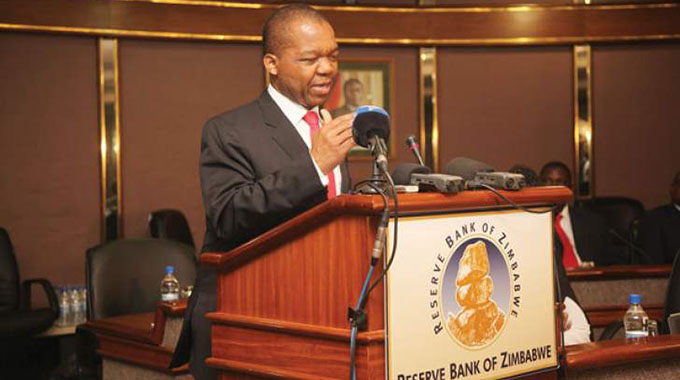
Business Writer
Zimbabwe dollar notes that bear the inscription “bond notes” remain legal tender and should be accepted for all domestic transactions, according to Reserve Bank of Zimbabwe (RBZ) Governor Dr John Mangudya.
The Apex bank chief made the remarks yesterday following reports of widespread rejection of Zimbabwe dollar notes with the inscription bond notes following false reports that they would be withdrawn from circulation.
The public believed the misleading reports despite the absence of an official communication by authorities while legislation, which re-established the local currency last year, explicitly states that bond notes constitute variations of the Zimbabwe dollar.
And amid the growing rejection of bond notes, despite making a significant proportion of total cash in circulation, premiums charged for one to convert electronic balances of the Zimbabwe dollar into physical cash have once again vaulted to upwards of 45 percent from 30 percent.
“We are encouraging the public that the bond notes are still legal tender.
“We are also urging the public to bank the old notes that they may have so that they get full value for the money and to withdraw the bank notes that they need.
“Retailers are also accepting the bond notes that are being rejected because they are still a part of the country’s legal tender, so they can also be utilised in the shops,” Dr Mangudya said.
But it appears the false reports that bond notes would be withdrawn from circulation originated in the informal market where the majority does not bank their cash, which resulted in the old bond notes getting too soiled up, hence their growing rejection.
The Zimbabwean economy is estimated to be over 60 percent informalised and most players in this sector survive on wheeling and dealing and spot transactions that involve regular exchange of cash, which itself has been turned into a prized and tradable commodity amid acute shortages.
Following the scratching of the US dollar dominated multi-currency last year; the RBZ introduced new Zimbabwe dollar notes to circulate alongside old and new bond notes and coins as well as the electronic version of the reintroduced domestic currency, the RTGS dollars.
All forms of the domestic currency have experienced significant depreciation against the US dollar and other major currencies due to speculative activities on the black market as well as pressure on the exchange rate due to high demand for forex in a country heavily depended on imports.
The loss in value, which saw exponential increase in annual inflation from 5.39 percent in October 2018 to 796 percent last month, has caused rejection of smaller denominations of the local currency, from 10c, 25c, 50c, $1 coins and $2 notes, as they have become bulky.
But without official communication that the $5 bond notes will be withdrawn from circulation, also being Zimbabwe’s third highest denomination with the widest circulation, authorities said all bonds were still legal tender.



 Online Reporter