Tinaye Agere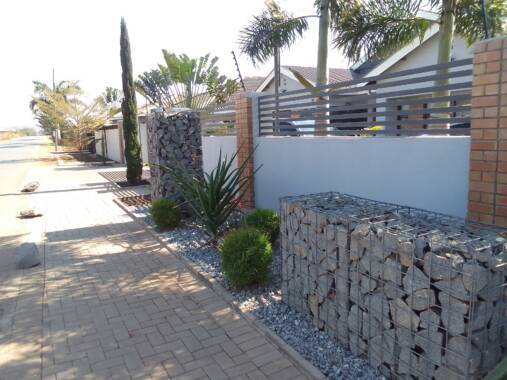
Andrew Mangwarara
MADOKERO, a suburb in Harare West, is abuzz with anticipation as construction of a stunning new residence nears completion.
This house promises to be a design masterpiece, both inside and outside. The sprawling garden has captured the public’s imagination.
While details about the interior remain under wraps, we were fortunate that Howard Machera allowed us access to his private residence.
Imagine towering cycads and an array of vibrantly coloured palm trees creating a lush, exotic oasis. A glistening pond teeming with goldfish adds a touch of tranquillity.

Machera said he is an outdoor person, hence his interest in gardening.
What is particularly intriguing is his collection of curated bonsai trees. This ancient Japanese art form is believed to have originated in China around 265 AD. It adds a touch of maturity and artistic flair to the garden.
These miniature trees, meticulously grown in shallow trays and trained to resemble full-grown giants, are a testament to the owner’s dedication and patience.
While many grow bonsai trees as a mere hobby, some prized specimens can fetch significant sums.
One bonsai in Japan is believed to be over 500 years old!

Aspiring bonsai enthusiasts might be interested to learn that these miniature masterpieces can be cultivated from seeds or even transformed from ordinary nursery stock.
The key lies in the potting mix.
Bonsai trees require excellent drainage due to the frequent watering (daily in some cases) that is involved.
A well-regarded recipe involves mixing one part sterilised topsoil, one part river sand and one part compost, along with some bone meal and compound fertiliser.
The art goes beyond just growing a tree in a small pot.
To achieve the desired aged appearance, various techniques are employed. Pruning, grafting, bending branches using wire and pinching new growth are just a few examples. Experience plays a crucial role in knowing which technique to use for a specific species.

Bonsai cultivation is a marathon, not a sprint. Patience is, therefore, paramount.
Some trees grow primarily upwards, while others favour lateral growth. Understanding these natural tendencies is essential for proper pruning and shaping.
If a tree is to be repotted, it is important to do so properly.
Here are the steps to follow:
- Soak the tree overnight in a tub of water
- Gently remove the plant from its pot and carefully loosen the soil from the roots
- Inspect the roots and prune away any diseased sections
- Prune away the roots to fit the new pot, ensuring they can comfortably spread out
- Position the tree in the pot, strategically shaping the branches for your desired look
- Fill the pot with a fresh bonsai mix, eliminating any air pockets
- Water the tree thoroughly. Continue watering daily, especially during hot afternoons
The Japanese art form can be extremely rewarding, offering a meditative and creative outlet.
While it might require more time and attention, it is a perfect pursuit for those with a keen eye for detail and a love for nature.
If you would like to be featured in our green-up campaign, contact us on the number above. Feedback: [email protected] or [email protected]



 Online Reporter