admin
admin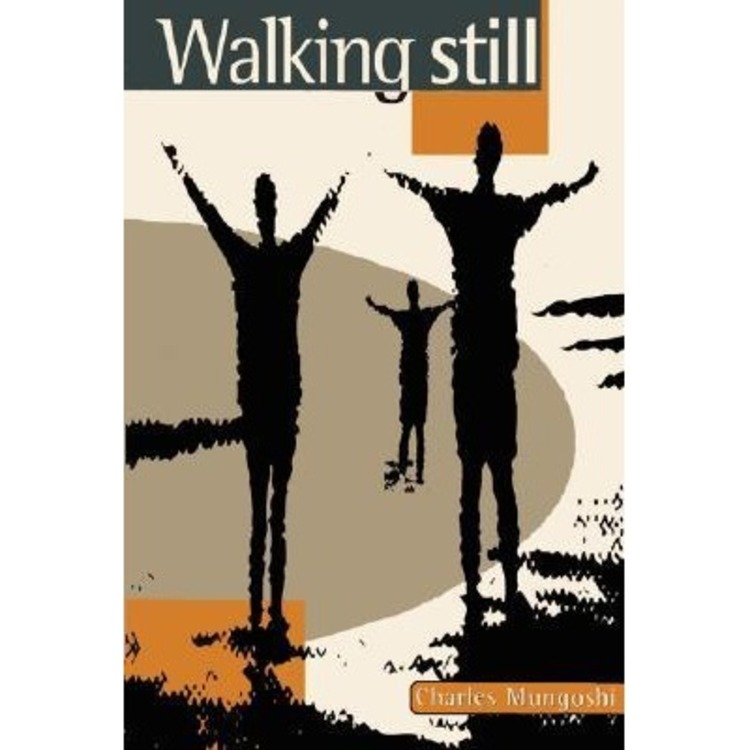
There is no doubting Charles Mungoshi’s star quality.
 Even in the seemingly simplest of stories, Mungoshi is thought-provoking and fecund.
He continues with this tradition in 2012 “Walking Still”. Here, Mungoshi’s themes and perceptions are penned with characteristic simplicity.
The collection of short stories presents characters whose life has been challenged by war and its aftermath, as well as changing cultural values.
By presenting the story of a wife who becomes a breadwinner while her husband is redundant, “Walking Still” is relevant in today’s challenging economic environment.
In “Nhongo” and his entrepreneurial wife, Sara, Mungoshi raises the concern of the breaking down of the family unit and changing roles in the home.
He brings to the fore the gradual erosion of cultural values through a young orphan, Musa, who instead of taking care of his surviving grandmother, treats her with utter disrespect.
It gets even interesting when Mungoshi presents the setting of a community whose ignorance towards HIV and Aids is displayed through their attitude towards a new neighbour, a single mother, who draws more curses than empathy.
It is trite to say Mungoshi knows how to produce a page-turner.
Consider the way he succinctly explores the highs and lows of inter-racial marriages in the tale of the painter who marries a white lady. He delves into the cultural clashes, the prejudices of societies and the other headwinds that test love.
In “Peter, Chasi and Shami”, the writer carefully takes the reader down the lane of destruction caused to marriages by homosexuality.
While Chasi has a wife in Shami, Peter is the true lover and Mungoshi shows how this setup ravages the marriage.



 Online Reporter