Online Reporter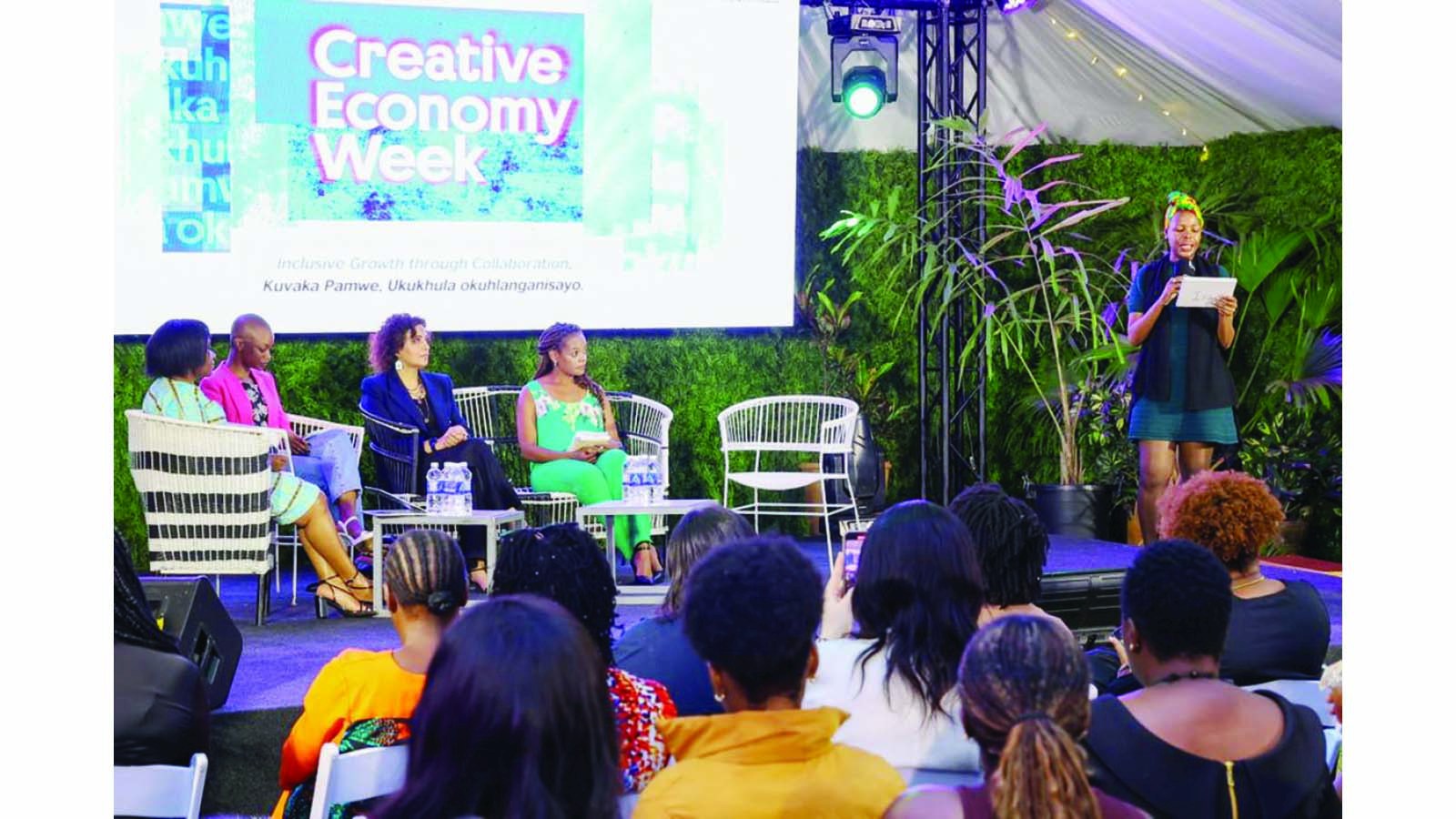
Tafadzwa Zimoyo
Zimpapers Entertainment Editor
Young designers and fashion creatives left Creative Economy Week Zimbabwe 2026 with more than inspiration after a week packed with practical training, industry exposure and networking opportunities.
It’s all aimed at helping them turn creativity into profitable businesses.
The six-day programme, hosted by the British Council and the Embassy of Switzerland in Zimbabwe, brought together creatives, policymakers and entrepreneurs under the theme “Inclusive Growth Through Collaboration — Kuvaka Pamwe, Ukukhula Okuhlanganisayo.”
While the event catered for a wide range of creative sectors, fashion designers were among the biggest beneficiaries as the programme included specialised masterclasses, manufacturing insights and discussions on how to scale fashion brands.
“Creative Economy Week is where we shift from celebrating talent to strengthening the systems that help creative practitioners earn and scale,” said Lloyd Anderson, Country Director of the British Council Zimbabwe.
“Through our partnership with the Embassy of Switzerland, we’re backing practical pathways, skills, networks and market connections, that support sustainable growth in the creative industries.”
One of the most impactful experiences for designers was the manufacturing immersion led by David Whitehead Textiles in Kadoma.
The visit gave designers rare access to an industrial textile production environment where they learnt about quality assurance, costing, production planning and scaling fashion brands.
For many emerging designers, who typically operate on small production levels, the immersion offered a glimpse into how locally produced fashion could meet international production standards.
Government officials also emphasised the importance of nurturing the creative sector as a key economic driver.
Director of Arts and Culture in the Ministry of Sport, Recreation, Arts and Culture Dr Biggie Samwanda, said authorities are working closely with creatives to strengthen the industry.
“Besides making policy, the government also ensured that our two parastatals, that is the National Arts Council of Zimbabwe and National Gallery of Zimbabwe, are out there building capacity amongst the creatives,” said Dr Samwanda.
Fashion designers also benefited from a masterclass titled “Running a Fashion Brand as a Social Enterprise.”
The session, facilitated by Batoka Creatives together with Pakistan-based fashion expert Amneh Shaikh-Farooqui, explored how fashion brands can integrate social impact while remaining financially sustainable.
Another highlight for designers was the “Threads of Heritage: Fashion as Film and Story” panel discussion, where creatives explored how fashion can be used to preserve and communicate cultural identity through storytelling.
The panel emphasised the role of designers as cultural custodians who carry Zimbabwe’s heritage through fabric, design and narrative.
In addition to creative inspiration, designers also gained crucial business knowledge during the week.
Investment professional Peggy Mapondera guided participants through the investment process and financial management, helping creatives understand how to move beyond basic bookkeeping and position their brands for growth.
The programme also featured the ‘Farm to Fashion’ panel discussion, which explored opportunities in the textile value chain and the importance of building stronger links between agriculture, manufacturing and fashion design.
Music industry professionals also had their moment, with sessions led by Mavin Records, the Nigerian label founded by Don Jazzy, which shared insights on how artists can grow audiences through digital platforms.
Mayor of Bulawayo, David Coltart, was among the key speakers at the Magitare Confluence, which brought together leaders from across the creative industries.
The week concluded with music industry discussions led by Kay Media Africa and a fireside chat with Zimbabwean pop star Gemma Griffiths on breaking industry barriers.