


 admin
admin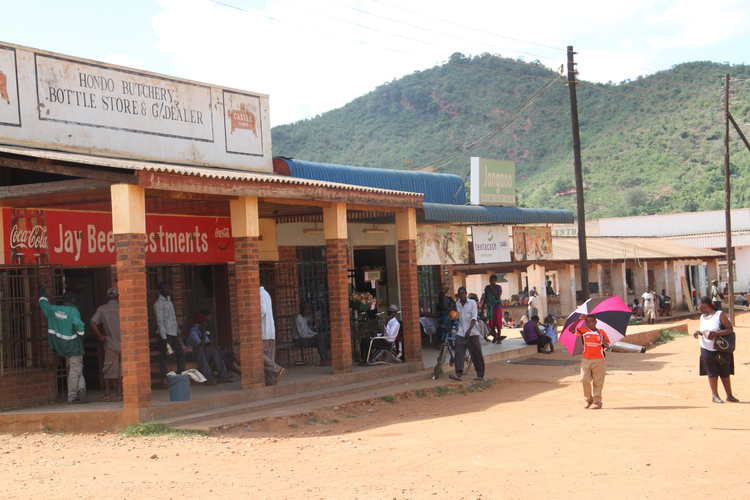
On the morning of March 5, 2016, a distraught Shepherd Sahwenje of Nyakadzodzo village in Mozambique hastily made the short journey to Nyakomba village, which is on the Zimbabwean side of the border.
Crossing Gairezi River, which separates the two Southern African countries, Sahwenje approached Gift Jombo, a local political leader and asked for a favour.
“I can see that he was scared to the bone. Without wasting time, he muttered to me something to the effect that the Renamo bandits were back to their old murderous ways in Mozambique. He begged me to allow him to bring his personal belongings, among them livestock and foodstuffs, for safe-keeping,” narrated Mr Jombo.
Sahwenje, who was born and grew up in Nyakomba, now considers himself a Zimbabwean.
In Mozambique, he is known as Costa Chapatarongo and the Mozambican identity card and passport that he carries indicate he was born and bred in that country.
But Sahwenje also has both a Zimbabwean identity card and passport and his name is on the Zimbabwe voters’ roll.
Depending on the circumstances, Sahwenje poses as a Zimbabwean or maintains that he is Mozambican.
Sahwenje is one of many Zimbabweans living in border areas who swears allegiance to both countries.
Now there are fears that Mozambican opposition Renamo is recruiting Zimbabwean youths to join its insurgent wing as tensions between the ruling Frelimo and the former rebel group reach boiling point.
Speaking at a Parliament session, Nyanga North legislator Cde Hubert Nyanhongo said there were reports from his constituency that Renamo was recruiting some unemployed youths from the border areas as it prepares an offensive against Mozambique government forces.
Given the nature of the porous border and the fact that there are many people who possess double identities, like Sahwenje, it is easy for Renamo to recruit Zimbabweans.
A visit by The Sunday Mail Extra to parts of Nyanga North showed villagers from both sides of the border maintained strong social relations.
The possibility of Renamo recruiting Zimbabweans, is therefore not a far-fetched idea.
Nyaurowa village, on Mozambique’s side of the border and less than 5km from Nyakomba Business Centre in Zimbabwe, is a suspected Renamo stronghold.
Those in Mozambique rely heavily on Zimbabwe side for education, health and social amenities. Children from Mozambique attend Chatindo Primary and Secondary schools in Zimbabwe and do their shopping at the business centre.
On the other hand, Zimbabweans often trek to Nyamukondeza to pan for gold. There are also some Zimbabweans employed at Nyamhasa Diamond Mine in Mozambique.
The mine is said to be located in a suspected Renamo catchment area, with the diamonds being used to fund guerilla activities.
“One does not apply to join Renamo. Instead, its victims, mostly boys, are forcibly recruited from schools. Since we have Zimbabweans in areas that Renamo has once forcibly recruited, it is possible that Zimbabweans might have been caught in the web,” said Mr Jombo.
Recent reports indicated Renamo had intensified its operations on Mozambican territory of Honde Valley. Mozambicans were allegedly attacked on the Katandika/Chimoio Road.
Headman Chatindo, Mr Caleb Chatindo, said no Renamo sightings had been reported in his area.
“I think we are safe as of now. The Mozambicans always come to this village for virtually everything. We will raise alarm if we gather information to the effect that the guerilla movement is planning an attack,” Headman Chatindo said.
His wife Christinah does not feel so secure.
“We are never safe from Renamo. The threat is real and Government should take precautionary measures. The guerillas have supporters across the river and can strike anytime,” said Mrs Chatindo, who emotionally recalled how locals were butchered by Renamo during Mozambique’s civil war.
“People should not be allowed to freely move cross the border without being monitored. Last time we had people who were saying that they were coming from Malawi and these people were here illegally. I strongly suspect that these people were drug traffickers,” added Mrs Chatindo.
Responding to the local legislator’s claims, Defence Minister Dr Sydney Sekeramayi said Government was not going to fold its hands if its interests were under threat.
“The Mozambican government should be the first to deal with the Renamo rebellion. When our interests are tampered with, we will definitely react and we will notify the government there,” Dr Sekeramayi said.
Colonel Teddy Ndlovu, the Zimbabwe Defence Forces acting director of public relations, said the army was investigating the matter.
“As you are aware, the legislator was requested to bring forth evidence to prove his claims. We are, however, carrying our own investigations,” Col Ndlovu said.
Questions sent to Mozambique’s Embassy in Harare had not been responded to to by the time of writing.
Renamo accuses Frelimo of rigging elections in the northern provinces of Inhambane, Tete and Manica – a claim widely disputed.
Renamo fought the Frelimo-led government for 16 years in a civil war that erupted following Mozambique’s independence from Portugal in 1975. The ended in 1992, leaving behind a trail of destruction which resulted in the death of an estimated one million Mozambicans.



 Online Reporter