Online Reporter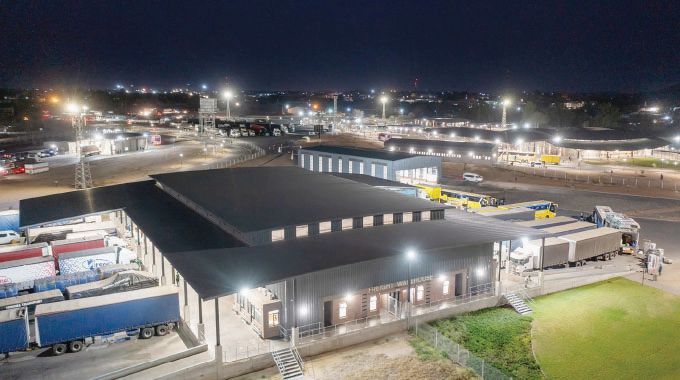
Remember Deketeke-Herald Correspondent
GOVERNMENT will mobilise more than US$900 million over the next five years to finance the redevelopment and modernisation of four major border posts to position Zimbabwe as a competitive regional transit hub.
Under the programme outlined in the National Development Strategy 2 (NDS2), authorities have started mobilising finances to revamp Forbes, Chirundu, Nyamapanda and Kanyemba border posts in a major push to ease regional trade bottlenecks and boost commerce.
The large-scale investment, totalling US$946 million, is aimed at transforming Zimbabwe’s ports of entry and exit into modern, efficient trade gateways that meet regional and international standards, while positioning the country to take full advantage of opportunities under the African Continental Free Trade Area (AfCFTA).
“During NDS 2, Government will prioritise the modernisation of ports of entry and exit to facilitate trade in line with global best practices, reduce border bottlenecks and streamline operations in line with regional and international standards and obligations,” reads the document.
Authorities say inefficient and outdated border infrastructure has historically increased the cost of doing business, slowed the movement of goods and people and weakened the country’s ability to fully benefit from regional and continental trade arrangements.
Forbes Border Post, Zimbabwe’s main gateway into Mozambique through Mutare, will undergo a major upgrade at an estimated cost of US$232 million between 2026 and 2028.
The project is aimed at improving customs processing, strengthening security systems and enhancing overall trade facilitation.
“The upgrading of facilities at Forbes Border Post will significantly improve the efficiency of customs clearance, reduce congestion and enhance security controls,” the document notes.
Once complete, the upgraded post is expected to significantly reduce clearance times, improve cargo handling and support the growing volume of trade along the Beira Corridor.
Chirundu Border Post, a key crossing point between Zimbabwe and Zambia on the North-South Corridor, will be modernised at an estimated cost of US$68,8 million through a public-private partnership.
The project will leverage private sector investment and expertise to enhance operational efficiency, upgrade infrastructure and improve service delivery.
The modernisation is expected to strengthen Zimbabwe’s position as a regional transit hub for goods moving between Southern and Central Africa.
Nyamapanda Border Post, linking Zimbabwe and Mozambique along the Harare–Nyamapanda corridor, will also be upgraded through a public-private partnership.
“Upgrading works through public private partnership arrangements, focusing on modern customs facilities, improved traffic management and enhanced cross-border trade services will be undertaken.
“The project is part of the Harare-Nyamapanda Road rehabilitation project at a combined cost of US$262 million to be completed by 2029.”
Kanyemba Border Post, on the Zimbabwe–Zambia border in the Zambezi Valley, will be redeveloped as part of the rehabilitation and upgrading of the Harare–Kanyemba highway.
The project, with a combined cost of US$384 million, will be implemented through a public-private partnership over three years and is expected to be completed by 2029.
The upgrade is intended to open up the Zambezi Valley region, improve trade connectivity and stimulate economic activity in the northern parts of the country.
One-stop border posts
In line with regional integration goals, NDS2 will also see the establishment of one-stop border posts at Forbes–Machipanda and Nyamapanda–Cuchamano.
These will allow immigration, customs and security services from neighbouring countries to operate under one roof, reducing duplication of procedures and speeding up the movement of goods and people.
Framework agreements for the establishment of the one-stop border posts are expected to be concluded by the end of the first quarter of 2026.
“Plans for the upgrading of Chirundu and Plumtree border posts to one-stop border posts are underway and will be implemented during NDS 2, to maximise on AfCFTA trade opportunities by complementing initiatives that harmonise customs systems and eliminate non-tariff barriers.”
The planned redevelopments follow the successful modernisation of Beitbridge Border Post, Zimbabwe’s busiest port of entry and exit, which handles more than half of the country’s cross-border traffic.
Since its redevelopment under a public-private partnership, Beitbridge has been transformed into a modern, world-class border facility with expanded traffic lanes, upgraded cargo terminals, improved ICT systems and integrated border management operations.
The upgrade has significantly reduced congestion and clearance times, improved revenue collection and strengthened security, while enhancing Zimbabwe’s image as a reliable regional trade gateway.
Government says the Beitbridge model will guide the redevelopment of other major border posts.