admin
admin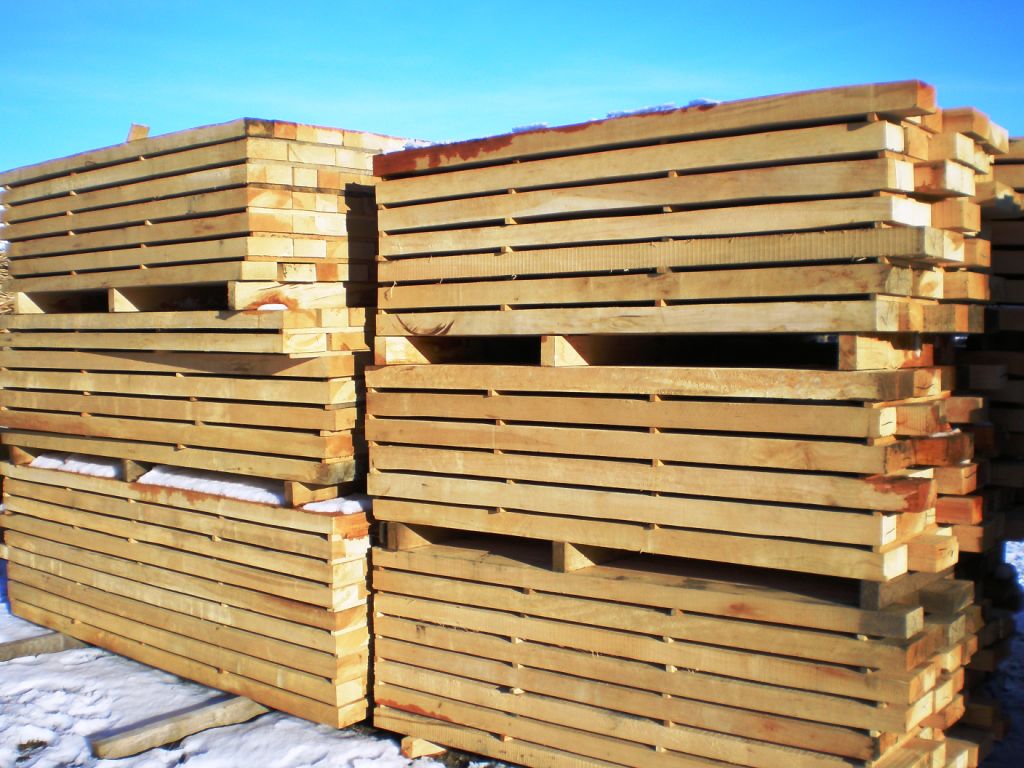
Business Reporter
Border Timbers is eyeing a return to a profitability next year following a major re-engineering of operations while efforts are underway to restructure debt and drive down production costs. Genetic improvement plans for the group are ongoing with the introduction of improved hybrids and focus is also being put on some of the lower and higher elevation pine hybrids as well as new hybrids for future pole production.
Border Timbers chairman Mr Elias Hwenga said the harvesting and log transport operations have been outsourced showing immediate gains in ratable log supplies to the processing plants. The operational costs are also now variable.
“The re-establishment programme is still on target with the replanting aimed to reduce the temporary unplanted area on an annual basis,” said Mr Hwenga
Mr Hwenga said both the company’s sawmills are still in the process of being upgraded with focus on the kiln drying and upgrade to the back-end of the mill to improve the product grades.
He said both the mills now produce to the required levels with incremental improvements in recovery and products out-turn achieved.
Concerted efforts are underway to better focus the lumber sales efforts and initiatives with inter alia market intelligence being harnessed in all geographic markets and sales efforts and action is now more dynamic and as a consequence meaningful pricing improvements are already being implemented in South Africa.
“We have over the last year become recognised as a reliable supplier of excellent quality treated poles into Mozambique, Zimbabwe and Zambia. It is expected that the pole pant will work to capacity in the foreseeable future, indeed moving from two to three shifts as tenders are secured,” said Mr Hwenga.
The group’s revenue for the year from continuing operations of $18 million represented a 26 percent decrease from $24,2 million recorded the previous year due to the minimal activity in the manufacturing plants and to a reduced level of pole sales. According to the company’s annual report the local lumber market remains largely stagnant and subdued due to the in-country liquidity constraints.
The company in the report said the South African market is performing at the lowest margin market due to the presence of a well-developed industry, especially against the backdrop of the South African rand having devalued by 60 percent over the last two years.
Border Timbers said it expects that costs in the SA industry will eventually catch up with the devalued currency.
“In the meantime, we are focused on cost cutting within the business. The group is aggressively pursuing alternative markets in Botswana, Mozambique, and other areas,” said the company.
Border Timbers said despite the sporadic nature of the pole tender process, the pole business for the coming year is expected to be very short to mid-term outlook for this business is very positive.
The company said the board and management team is engaged in various initiatives aimed at restructuring Border’s debt to include terms and debt servicing levels more conducive to the current operating environment.
Cost containment remains a major focus for the group going forward and where possible management is looking at increasing productivity.
The group continues to appraise the value chain in an effort to minimise or eliminate all non-value adding costs and activities.
Despite the sporadic nature of the pole tender process, the pole business for the coming year is expected to be very short to mid-term outlook for this business is very positive
The new silviculture regimes are now entrenched that will not only result in input costs, but also increased volumes and higher product mixes at a younger age.
The log transport operations were successfully outsourced during the year, resulting in unit cost reductions as well as more consistent log supplies to the sawmills and pole treatment.ness of the Group is now vested in plantation forestry and sawmilling at Sheba and Charter and a pole plant based in Mutare.



 Online Reporter