

 admin
admin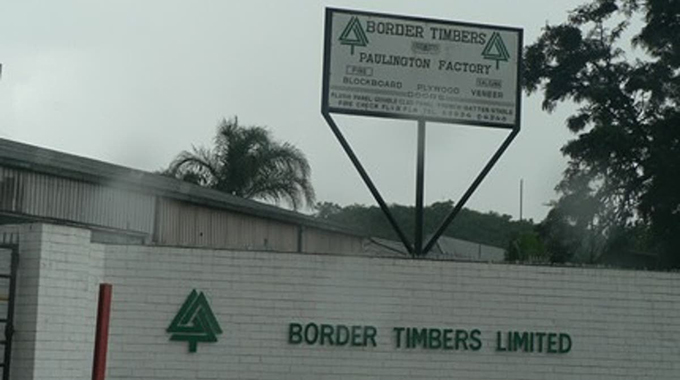
Agriculture Reporter
THE Zimbabwe Stock Exchange (ZSE) listed timber company, Border Timbers is set to establish 1 100 hectares of timber forests to replenish its plantations in a move set to its biological assets.
In a financial statement for the half year ended December 2022 the company Chairman Mr Elias Hwenga revealed that the organisation was targeting 1 100 hectares of timber this planting season.
“Recapitalisation remains a key priority with our replanting programme already on course to reduce the unplanted area to industry standard of 5 percent in the next three years,” he said.
The primary strategic intent of the company is to grow and maintain the timber plantations and further strengthen the organisation’s biological assets.
“We managed to replant 239 hectares during the period under review against a target of 357 hectares,” said Mr Hwenga.
Border Timbers is a forestry and sawmilling company in Zimbabwe. The business operates five forest estates and three sawmills principal products include pine and eucalyptus.
“The company is in the process of recapitalising its two sawmills with the latest milling technology and commissioning of the new machinery is now expected by December 2023,” said Mr Hwenga.
The company’s product quality remains highly regarded in the market and the current marketing efforts will increase demand for the company’s kiln dried timber.
“Revenue for the period increased by 38 percent from $3, 64 billion the previous year to $5, 01 billion this year driven by the consistent product quality of our kiln-dried timber resulting in better average selling prices,” said Mr Hwenga.
In addition, the company’s pole sales volume was 53 percent lower than the comparative period in last year.
“Improved performance is anticipated in the poles business due to expected demand for the product in the Southern African Development Committee (SADC) region mainly for rural electrification projects,” said Mr Hwenga.
However, lumber sales volumes were 27 percent down compared to the same period the previous prior year. The reduction in sales volume was mainly driven by low customer demand in the local market.
“We remain optimistic that the demand for lumber will re-bound in the local market and we continue being aggressive to expand the export market in the region and beyond,” said Mr Hwenga.
As climate change continues to affect weather patterns, the major business risk remains the loss of forestry to fire.
“The company has since strengthened its plantation patrol teams through enhanced fire-fighting training and the acquisition of additional firefighting equipment during the period,” said Mr Hwenga.



 Online Reporter