

 Online Reporter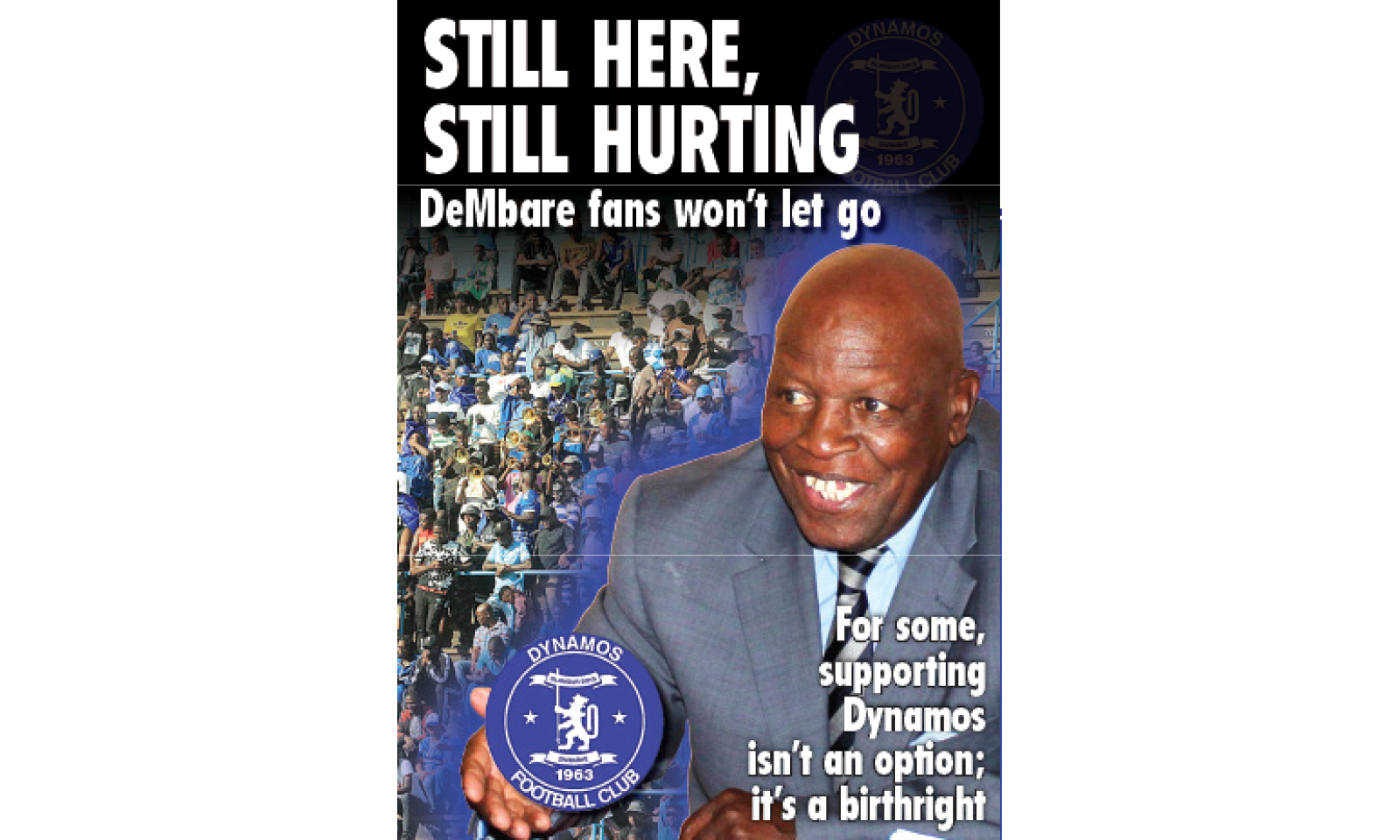
Howard Musonza and Lyton Ncube
RUFARO Stadium was rumbling again. The drums pounded, voices soared and a sea of blue and white swayed, not in celebration, but in stubborn defiance.
They had threatened a boycott. Again. But when match day came, they showed up. Again. And perhaps that is the real tragedy of Dynamos Football Club today: a fan base too loyal to quit, even as the club implodes.
Dynamos’ phenomenal success in post-independence Zimbabwean football is indisputable.
Popularly known as DeMbare or the “Glamour Boys,” the club command one of the largest support bases in Southern Africa. Their 21 league titles, numerous cup triumphs and production line of legends, from George Shaya and Moses Chunga to Vitalis Takawira and Memory Mucherahohwa, once made this institution the pride of a nation.
But DeMbare’s hegemony is waning. Painfully so.
Since their last league triumph under trailblazing coach Kalisto Pasuwa in 2014, DeMbare have plunged into mediocrity.
This season, they have managed just two wins from 17 games and are now staring relegation in the face.
Once feared and revered, Dynamos have become, as some of their loyal fans now bitterly admit, “glamourless” and “spineless”.
The statistics don’t lie. But numbers only tell part of the story. The deeper decay lies off the pitch, in the boardroom, in broken trust, and in the slow, agonising erosion of identity.
The club’s governance has long resembled a bad political parody. Boardroom battles, opaque ownership and internal squabbles have created a toxic culture.
From the historic Morrison Sifelani and Jokonia Nhekairo feud in the 1990s to the current “capture” of the club by Bernard Marriot Lusengo, Dynamos have been defined more by off-field power struggles than on-field glory.
In essence, Marriot’s “dark arts” administration has reduced the people’s team to a parody of its former self.
Marriot should consider writing a book: “How Not to Run a Football Club”. The principal tragedy here is structural. Though Dynamos are legally a private company, its roots and growth are deeply communal.
It was the people, the fans, who built the brand, carried the flag, filled the terraces, and immortalised the blue-and-white jersey. And yet, these same people have been sidelined, shut out from decision-making, denied transparency and offered no formal stake.
There are no voting rights. No formal membership system. No representation.
Just a growing abyss between the pitch and the people.
And still, they come.
Just days before the 2025 Battle of Zimbabwe against Highlanders at Rufaro, a coalition of chapters, including those from Harare, Bulawayo, Chitungwiza and the so-called “Seven Million” movement, convened a fiery press conference. The call? Boycott. Mass withdrawal. An organised rebellion.
“If we all love Dynamos, we need to be united in this call. We must boycott. A revolution is not won in a day. It can take 20 years, it can take two,” declared Harare Chapter acting chairperson Benevolent Karikoga Vono.
But come matchday, the stadium was half full. The drums rolled. The fans sang. And the protest fizzled, again.
This is the enduring paradox of Dynamo’s fandom. Despite years of mismanagement, broken promises and public humiliation, fans just can’t walk away.
Why?
Because supporting Dynamos isn’t always a rational decision. For many, it’s cultural inheritance. It’s not a club, it’s a birth right. A ritual. A shared language. The stadium is more than a place for football. It is a site of belonging, memory and hope. A song. A prayer. A dream deferred.
Even so, that dream is dimming.
There is mounting frustration among supporters. Many who once basked in the glow of DeMbare’s success now feel they are trapped in the shadow of failure. They want change. They want accountability.
They want their club back.
Yet, every boycott campaign fails to ignite the unified response needed to force reform.
Why?
Because the supporter structures themselves are in disarray. Critics allege some chapters are “captured” by the very leadership they should be challenging. With no formal recognition, no unified voice, and no roadmap, coordinating mass action becomes a Sisyphean task.
Still, the solution isn’t complex. It’s just long overdue.
There is an urgent need to regularise and empower the Dynamos fan base. Registered membership. Annual General Meetings. Voting rights. Representation on the board. Loyalty must be rewarded, not with empty slogans but with meaningful influence. Clubs like Real Madrid have shown the power of the relationship-management model, where fans are treated as stakeholders, not sideline ornaments. Under Florentino Pérez, Madrid built their empire on global branding, commercial savvy, and, crucially, fan inclusion. Dynamos doesn’t need to reinvent the wheel. It just needs to open the gates.
The bottom line is this: football is business, yes, but it’s also belief. And belief, once broken, is hard to repair.
For now, the love is still there. But love alone won’t save DeMbare. Not this time.
Unless the club reforms from the ground up, the heartbreak will only deepen. And if one day the drums finally fall silent at Rufaro, it won’t be because fans didn’t care.
It will be because the club stopped listening.


As a loyal Dynamos fan of nearly 40 years, it breaks my heart to watch the slow and painful collapse of a club that once united a nation, inspired greatness, and stood as a symbol of pride for millions.
I’ve cheered from the terraces, worn the blue with honour, celebrated our highs, and endured our lows—but what’s happening now under Bernard Marriot’s leadership is not just a decline, it’s a betrayal.
Dynamos FC is no longer a football club—it has become a personal inheritance for one man, while the dreams of young players are crushed, coaches silenced, and fans ignored. There’s no vision, no structure, no future.
We are tired of being taken for granted.
This club belongs to the people—not to any individual. We, the fans, are the soul of Dynamos. Without us, the stadiums are empty, the jerseys are meaningless, and the legacy is dead.
I am calling on all true supporters, legends, journalists, and leaders who still care—let’s demand transparency, fan representation, youth investment, and an end to this toxic dictatorship.
To the Herald and other media: shine the light where it matters. Help us save our club from being buried by greed and silence.
It’s time to stand up. For our history. For our future. For Dynamos.
#SaveDynamosFC #BornIntoBlueButNotBlind #DynamosBelongsToUs