Online Reporter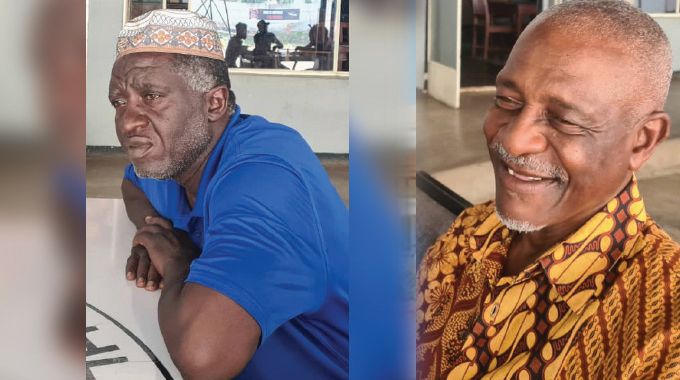
THE memories return easily for the men who were there.
Mention the Highlanders and Zimbabwe Saints charity clashes and their faces soften, the years peeling away. They remember the crowds first. Then the noise. Then the feeling that what they were doing meant something bigger than football itself.
For a long time, the Jairos Jiri Charity Shield was more than a date on the calendar. It was a meeting point between rivalry and compassion, between fierce competition and community responsibility.
Players wore their jerseys with pride, but they also knew why they were there. The match was about giving back.
This afternoon, the event returns to Barbourfields Stadium, this time bringing together Dynamos FC and Highlanders in another chapter of a fixture that never quite feels friendly.
New coaches stand on either bench. Benjani Mwaruwari leads Bosso, while Genesis Mangombe takes charge of Dynamos. Supporters arrive carrying expectation, curiosity and the quiet hope that new faces will announce themselves.
But before the present takes over, the past speaks.
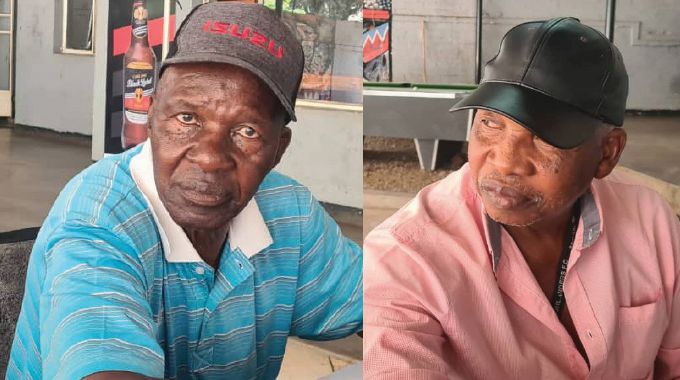
The old players gather and talk, their stories drifting between laughter and reflection. They speak of football with a human face, when rivalry did not stop players from standing together for a cause championed by the late national hero Jairos Jiri.
Lawrence Phiri remembers it as part of everyday life. Football, community work and charity flowed into each other without effort.
“I have lots of memories, not only as a player but working in community services with the Bulawayo City Council,” he recalls. “I also used to take photographs for the council magazine, Siyephambili. We worked closely with youth clubs and road shows. Jairos Jiri was part of all that. It’s sad the event stopped for a while.”
Phiri’s connection ran deeper than the pitch. The match sat alongside fetes that raised money for people living with disabilities, turning football into something practical and tangible. It was about showing up, not just entertaining.
John “Gwejegweje” Nyumbu smiles when he remembers the journeys from Gweru, often travelling with the late coach Simon Machaya. Those trips felt special. Even the small frustrations have now turned into stories worth retelling.
“Machaya said he wanted me to come and play,” Nyumbu says.
“We drove all the way to Bulawayo. It felt good to play for people who needed support. That’s why I hope this continues.”
He laughs as he recalls discovering that other players had been paid while his name was missing from the list. Machaya simply told him that bringing him along was payment enough. The memory still feels vivid, not because of the money, but because of the camaraderie.
Gibson Homela remembers something else. Pressure.
The rivalry never eased just because the cause was noble. Saints and Highlanders carried too much history for that.
“I always wanted to be at my best in those games,” he says.
“You didn’t want to be laughed at after the match.”
Born and raised in Saints colours, Homela played every charity game with the same intensity he brought into league or cup battles. The idea, he says, was simple. Footballers had a role in helping the less privileged. Forgetting that spirit felt wrong.
He remembers the powerful Saints squads of the late 1970s. Douglas Mutemi, Eddie Frano, Ebson Muguyo, the late Zebron Magorimbo, Musa Muzanenhamo and others who made those encounters unforgettable. Each match felt like a contest for pride, even when charity stood at the centre.
Across the divide, Bosso defender Douglas “British” Mloyi tells a similar story. Rivalry never softened. Friendly or not, the game mattered.
“It was always intense,” he says. “League, cup or charity, it felt the same. Saints would win some, we would win others.”
Mloyi’s voice carries appreciation for the revival of the fixture. For him, the cause is personal. Every family, he says, knows disability in one way or another, which makes football’s role in supporting the community unavoidable.
He remembers playing against Mashonaland United before the club became Zimbabwe Saints, marking the evolution of a rivalry that defined Bulawayo football for a generation.
Amin Soma-Phiri shares that feeling. Growing up, the Jairos Jiri fete was part of the city’s rhythm. Later, he found himself playing in it, understanding first-hand why it mattered.
“It was very competitive,” he says.
“People might think charity means relaxed football, but it wasn’t like that. Everyone wanted to win.”
He had hoped to participate again last year as a Highlanders manager when the match was discussed, but it never happened. Seeing it finally return brings a sense of unfinished business being put right.
As the legends talk, it becomes clear that these gatherings are about more than nostalgia. Time has thinned the numbers. Some teammates are gone, others scattered. That realisation pushed them into action.
They have decided to form a Bulawayo Football Legends Association, an inclusive group meant to bring former players together, look after welfare issues and keep connections alive.
Homela will serve as interim chairman, with Mloyi as vice-chairman, Phiri as secretary-general, Nyumbu as treasurer and Soma-Phiri taking charge of organising duties. They plan to draft a constitution and invite former players from across the city’s football history.
The idea feels fitting. Football created their bond. Now they want to protect it.
Outside, the present waits. Fans file into Barbourfields, eager for another chapter of a rivalry that refuses to fade. New players warm up, carrying dreams the legends once held. The noise begins to build again.
The old men watch, remembering when the same grass held their footprints.
And somewhere between competition and compassion, the spirit of the Jairos Jiri charity games quietly returns.