


 Online Reporter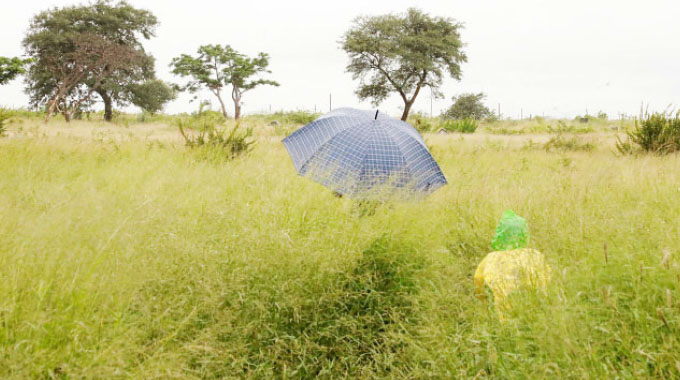
Robin Muchetu, Health and Gender Editor
WHEN Lulu Dube* lost her new-born baby at a local hospital, she assumed she would bury him and periodically visit the gravesite for routine maintenance.
However, the trauma of loss and cultural practices within her society made her turn a blind eye, not out of neglect, but due to the painful memories associated with losing her first child.
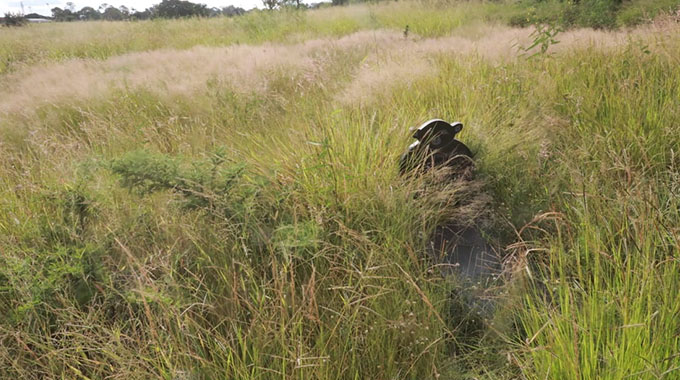
While this is not unique to her, hundreds more have failed to go back to where they laid their new-borns due to cultural dictates leaving the children’s section of many cemeteries in Bulawayo unattended and mostly an eyesore.
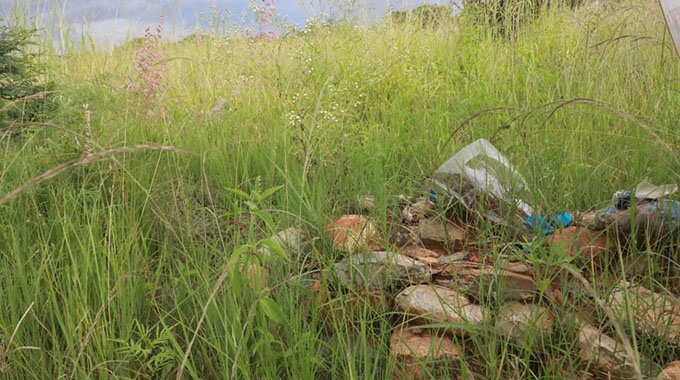
The Bulawayo City Council has, on the other hand, highlighted that they face serious challenges in maintaining graves in the children’s section due to cultural, traditional and societal beliefs. They propose that more cremations should be conducted for children to save burial space, which is in short supply.
In a recent council briefing, councillors stated that residents should be engaged to foster understanding regarding the cremation of children.
“Councillors should encourage residents to consider cremation for minor children below one year,” the council noted.
They also expressed concern about the children’s grave section at West Park Cemetery, noting that it contains many unmarked graves. They believe all children below one year should be cremated.
Councillor Sikhululekile Moyo said most residents support the cremation of children under one year.
“In the past, all stillbirths were cremated by the relevant hospitals. This saved a lot of burial space. The community should embrace cremation as one of the methods of human body disposal,” she said.
Mr Shadrack Marara, a private grave maintainer contracted by families to keep graves in good condition, weighed in on the issue, emphasising that dealing with graves of young children is a sensitive matter.
“I maintain only four graves of children, out of many that are there. This area is very delicate, many people do not like to visit or even maintain the graves under the children’s section. This is largely because of the grief that accompany the death of young children and regularly visiting their graves can bring immense pain and suffering. Many prefer not to open those wounds,” Mr Marara said.
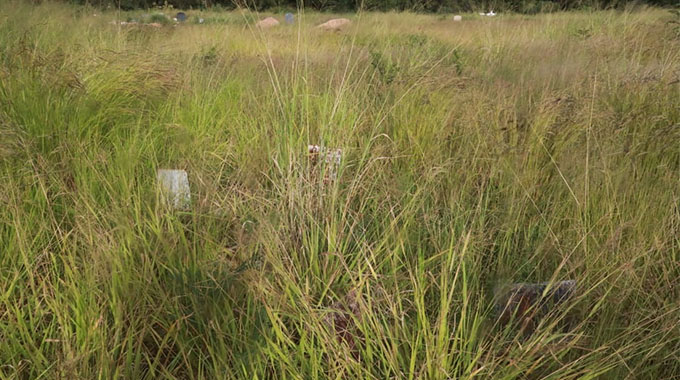
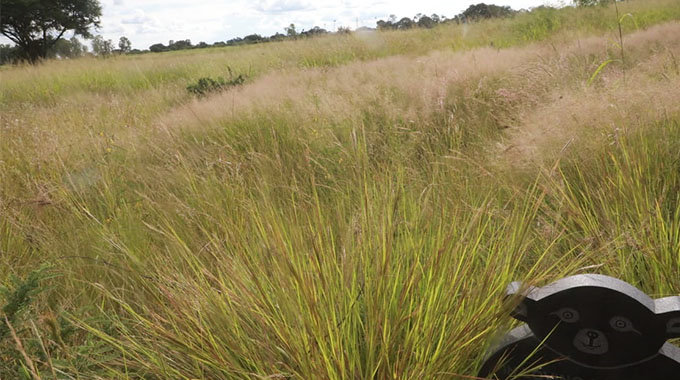
He noted that cemeteries are generally better maintained in the adult section than in the children’s area, which is often severely dilapidated, making it difficult to identify graves.
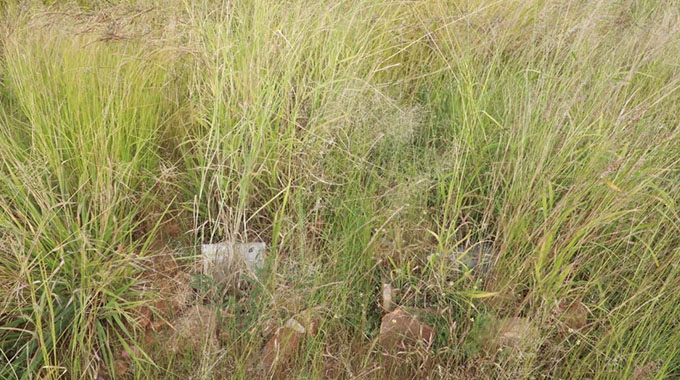
“We have encountered families who visit the children’s section many years after burying their child but struggle to locate the graves. Council workers sometimes take an average of three days to find graves when people eventually come as signs would have rusted as they are exposed to the vagaries of weather, making identification very difficult,” he said.
Mr Marara also mentioned that some women, after losing their young babies or children face the trauma of rejection by their husbands and partners. Visiting the graves can be an even more disturbing experience for them.
“Women in such situations tend not to want to associate themselves with the memory of the deceased baby, owing to rejection by their partners. It’s a painful reminder of their circumstances and they often refrain from returning to the cemetery, which leads to grave neglect,” he explained.
He noted that very few tombstones are erected for children across the cemeteries, largely due to these challenges. The council encourages greater engagement with residents to foster understanding.
Director of Health Services in the City of Bulawayo Dr Edwin Sibanda-Mzingwane told Sunday News that the concerns raised by councillors about grave space are valid and will be addressed. He also noted that traffic to the cemeteries is sometimes excessive.
Residents are advised to consider reducing the number of visitors for burials and to start embracing private arrangements.
“Double interment is also being encouraged for married couples. Maintenance of stillborn graves remains a challenge. Cultural beliefs surrounding stillbirths often affect grave maintenance. A decision has been made to consider cremation for all stillborn babies. Currently, cremation services are provided by private providers and a request has been made for them to reduce fees for cremating stillborn babies,” the council brief stated.
The council is working on acquiring a new cremator.
The Director of Health Services reported on 8th January 2026 that, following a council resolution on 4th January 2023, the proposed 12-year age limit for cremation would not be adopted. Instead, the age limit for compulsory cremation was adjusted to 0-12 months.
According to culturalist and researcher Dr Luyanduhlobo Makwati, death is categorised in different ways.
“The death of a baby in the womb differs from the death of a three-day-old, a one-year-old or a ten-year-old. There are different processes involved in burying each of these.
“Concerning stillbirths, it is a delicate matter. The mother is not permitted to bury her child, this is typically done by senior women from the family and community,” he explained.
The mother is also not allowed to mourn the loss of a stillborn.
“This is why you’ll find that there is no funeral and people do not gather or offer condolences in the same way as they would for an older child. They may visit if they wish, but they do not pay condolences. The reason is that nobody knew the baby except the mother and father and the baby probably never made it home. Mourning someone you knew is different. The parents are often washed with cold water and herbs as a form of cleansing to prevent recurrence,” he said. Dr Makwati also explained that after the death of a new-born, its belongings are discarded.
“Even for a young child of one or two years, upon death, their bathing dishes are placed on the grave and left there. That’s why old, brittle baby bathing dishes are still commonly seen at cemeteries. The mother is advised to discard their clothes as well, they are not to be kept for future children. Sometimes, these clothes and belongings are burnt,” he said.
He added that within a year, all the baby’s belongings should have been discarded.
Dr Makwati noted that, previously, it was customary for small babies to be cremated rather than buried and the mother would try for another child, leaving the memory of the deceased behind.
“Now, you find some babies being buried, which presents challenges for grave maintenance. Many mothers do not want to return to that dark place and see a grave where their new-born was laid. The pain is too great, so some prefer not to visit or maintain those graves. That’s why many graves remain untouched, with no tombstones or name tag. Once weather erases them, that’s the end,” he said.
He also reflected on past birth practices.
“Pregnancy is a sacred and delicate process that must be protected. Traditionally, men did not witness childbirth, only women did. This contrasts with today, where men often see the entire process. It was considered unheard of. After birth, the new mother was sent away to her family to recover from the trauma and to learn how to care for the new-born. She would only return once she was healed,” he added.
During this time, certain rituals were performed to support the mother and her journey ahead.
Dr Makwati emphasised that council workers must play their role.
“There is nothing wrong with cleaning and weeding graves of infants, they must do their jobs and keep the cemeteries tidy without worry,” he said.
While graves of older children are often well maintained, those of infants tend to be neglected.
“Graves of ten and fifteen-year-olds are usually well-kept, some with tombstones and headstones, because death at that age is categorised differently. Smaller babies are subject to more rituals and respect, which is why their graves are more prone to neglect.
“Nevertheless, it is crucial that small babies are cremated rather than buried, as visiting their graves can cause additional emotional turmoil for parents, especially mothers,” he added. —@NyembeziMu


