

 Online Reporter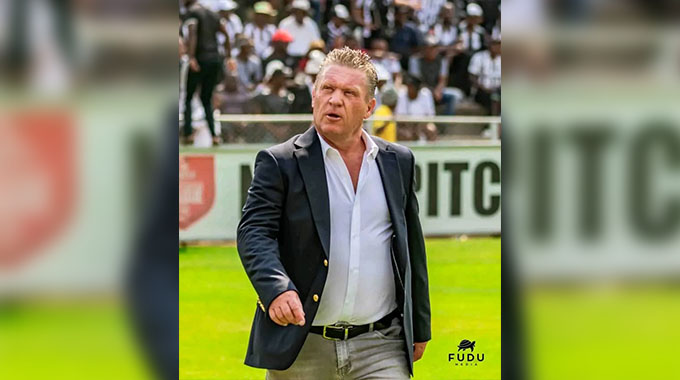
Lovemore Dube, Zimpapers Sports Hub
HIGHLANDERS sit at another crossroads, a familiar place for a club that has lived on its own myths for decades. The conversation has moved from results to identity.
Supporters who once chanted for titles now whisper about survival, and the loudest question asks whether Bosso can finally look beyond its borders for a coach from up north.
The irony is hard to miss. Highlanders have never hesitated to search the country for players, signing talent from Harare, the Midlands, Mutare, Redwing and far flung towns. Their greatest teams were built with imports who carried the badge like they were born in Makokoba. Yet they have never handed the reins to a local coach from outside Bulawayo.
The club has jumped from European mentors to Zambian tacticians, from familiar sons to foreign saviours, but that unwritten line has remained intact.
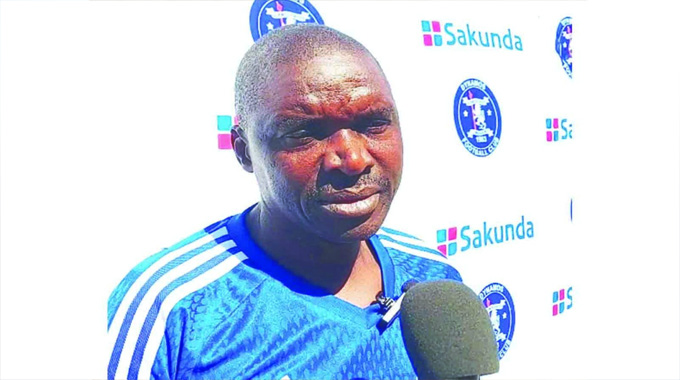
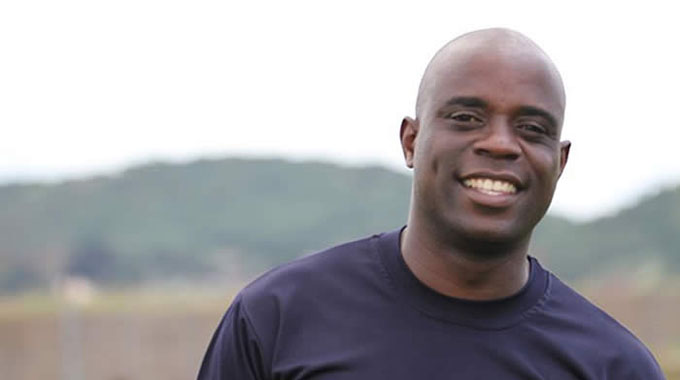
The question grows louder now because the cost of looking abroad has become impossible to ignore. Foreign coaches have delivered moments of hope but left behind bills that still haunt the club’s books. Meanwhile, some of the country’s most qualified coaches are jobless. Sunday Chidzambwa, Lloyd Chitembwe and two time champion
Tonderai Ndiraya are among those ready to work and, by any measure, fit for the Tshilamoya bench.
Many others with Caf A licences are out there, waiting for a club as big and historic as Highlanders.
“Who would not love a club with Bosso’s following and charm?” one official asked this week, a question that sounded less like pride and more like a plea for courage.
Pieter De Jongh remains the biggest piece of the puzzle. He rescued Bosso from relegation and earned the right to speak, but the executive seems split on whether he should stay when his contract ends on 31 December.
The club may soon find itself choosing between comfort and evolution. Bosso have already recycled most of their former players with top licences. Cosmas “Tsano” Zulu, Amin Soma-Phiri, Bekithemba Ndlovu and more recently,have all sat on that chair.
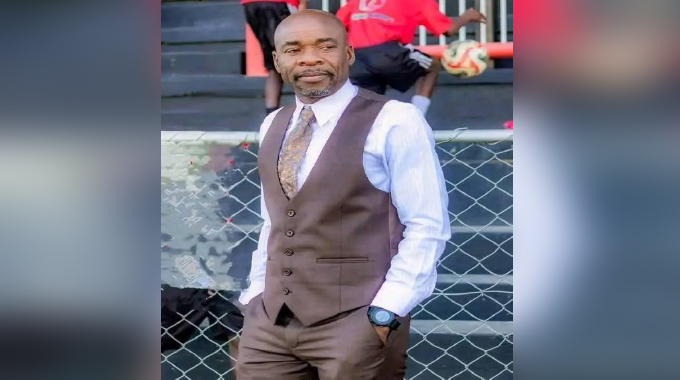
The cupboard is bare. If the club wants something new, the next step may require crossing the line they have avoided for generations.
History offers reminders of what happens when courage wins. When Silas Ndlovu joined Dynamos in 1963, it didn’t break football. It softened old edges. That spirit lived on as players crossed both ways over the years. Colsen Mabeza, Stewart Murisa, Lenny Gwata, Lovemore Ncube, Cuthbert Malajila, Makwinji Soma-Phiri, Chester and Gibson Makanda, Washington Arubi and Tinashe Makanda. And when Dynamos hired Mark Mathe and Joel Luphahla as assistants, people called it football reality, not betrayal.
Luphahla remains one of Bosso’s most celebrated sons, the winger who lit up 1999 and 2000 before becoming one of the club’s exports to Europe. His journey only strengthens the argument that football is a profession, not a boundary. Air, water, romance and money don’t obey fences. Neither should football talent.
This club has never struggled to recruit championship winning players from other regions. Peter Bhebhe, Itai Chieza, Isaac Mafaro and Stanley Nyika arrived in 1973 and 1974 under the sharp eye of Silas Ndlovu and delivered trophies. They helped turn Highlanders into a national giant long before its commercial value began to stall under cautious thinking and a discomfort with change. That reluctance contributed to the mediocrity seen this season across the senior team, Bosso 90 and the Royals.
The timing couldn’t be more delicate. Zifa’s election campaigns consumed several Premier Soccer League bosses and Bosso’s chairman Kenneth Mhlophe returned to oversee a club facing relegation threats in three different competitions. Yet even during the toughest years, the pipeline over the Shangani River never dried up. Joseph Tembo, Yonah Malunga, Tapuwa Kapini, Arubi, Mamba Chisoni, Eddie Nyika, Eddie Dube, Murisa and the late Amon Chimbalanga all came from the north to win and to inspire.
If players from across Zimbabwe have shaped Bosso into the club it is, why should coaches be different? Moses Chunga, Saul Chaminuka, Chidzambwa and Chitembwe are professionals who would relish the pressure and glory that come with leading the country’s most followed team.
Coaches, like players, chase opportunities that allow them to grow, to build CVs, to earn a living.
“Bosso has always feared darkness without switching off the lights to feel it,” a former administrator said recently. It was a poetic way of saying the club has avoided discomfort even when change was overdue.
There is talk of a long shot target from South Africa, Thabo Senong, but many doubt the club can afford the former SA Under 23 coach. Another name floating around is Tennant Chilumba, the man who once took Hwange to Africa.
Whether these rumours hold or fade, the anxiety among members is real. They want clarity. If De Jongh stays, they want to know why. If he leaves, they want to know whether Bosso is finally brave enough to cross the Shangani and hire a coach with Dynamos ties. Kaindu did it in reverse. So, why can’t Chitembwe or Chidzambwa walk that path?
The club stands at a quiet but defining moment. Highlanders can either cling to history or recognise that history was built by those who crossed rivers, not those who feared them.


We are beating about the bush here. Highlanders’ woes are created by an identity crisis. Some people may be scared to see the tribal politics in Highlanders but it is which defines it hence the late Dr. Joshua Nkomo attempted to expunge it by asking to have Matebeleland Highlanders changed to Highlanders only with the tribal tail of Matebeleland removed. There are vestiges of people in the whole Highlanders team and fan base set up that are still stuck in this tribal identity cancer. It is clearly shown in the Highlanders management structures. There has never been people from across the Shangani river or non Ndebele surname or speaking people in the Highlanders management committees. Players are easy to integrate into the playing structures because they are generally bound by fixed term contracts but even then there has been some discomfort reported by some players emanating from relationships with their colleagues and fans that are from Bulawayo/Matebeleland. Vestiges of tribalism is destroying Highlanders. Let truth be told. Highlanders must transform into a national brand rather than a regional outfit if it must survive.