Online Reporter
Mbulelo Mpofu, Zimpapers Arts and Entertainment Hub
UNITED Kingdom-based Zimbabwean bass guitarist and vocalist Edith WeUtonga-Katiji has earned international recognition after her forthcoming album, Varipasi, was nominated for Folk Album of the Year at the inaugural Folk Music Awards.
The newly established awards, created by Sound Roots in partnership with the award-winning podcast Folk on Foot and supported by the Rochdale Development Agency, aim to celebrate the most artistically compelling folk, roots and acoustic albums released in the United Kingdom and the Republic of Ireland.
The nominees were selected by a distinguished panel comprising performers, as well as music and media professionals, chaired by celebrated English folk singer-songwriter and BBC Radio 2’s The Folk Show executive producer, Ellie While.
Varipasi, which is yet to be officially released, has been shortlisted among eight standout albums selected for their craftsmanship, cultural value and contribution to contemporary folk expression.
The overall winner will be announced on March 17, 2026, at a ceremony at Rochdale Town Hall in the UK, marking the launch of an awards platform poised to become a notable fixture on the folk music calendar.
“We’re thrilled to announce the nine albums selected by our brilliant jury. The standard of entries was incredible, reflecting a thriving moment for folk music across Britain and Ireland. Congratulations to the artistes on their nominated records, which span diverse styles and regions but are all treasures to explore and cherish. We cannot wait to celebrate a fantastic year of folk releases at Rochdale Town Hall in March,” said David Agnew, chief executive and artistic director of Sound Roots.
Speaking from her UK base, Katiji told Sunday Life that she was delighted to be flying the Zimbabwean flag high.
“I’m dumbfounded, to say the least. I’ve been working on this new music since July 2024, and every song went through intense critique from me, which is why I felt it wasn’t ready for release. I guess the time is now. My work ethic has always been to let each song grow before sharing it with the audience, and that means seeking expert advice at every turn.
“Above all, it’s such an honour. Seeing my name on that list as the only African artiste means the world to me. This album is a tribute to my maternal grandmother, who passed away during lockdown when I couldn’t come home to bury her. This recognition feels like a fitting way to remember her,” she said.
For the coveted gong, Katiji will have to contend with Poor Creature’s All smiles tonight, Grace Stewart-Skinner’s Auchies Spikkin’ Auchie, Barry Kerr’s Curlew’s Cry, Cynefin’s Shimli, Joshua Burnside’s Teeth of time, Peggy Seeger’s Teleology, Gigspanner Big Band’s Turnstone, as well as Spafford Campbell’s Tomorrow Held.
For Katiji, the nomination alone already feels like a victory.
“That mbira sound, my voice and our traditional Zimbabwean melodies will now be heard on platforms they were unlikely to reach, places where they would only have appeared as a feature,” she said.
Katiji has also dedicated her time and advocated for musicians’ rights, earning the prestigious Nyrkki Award from the Finnish Musicians’ Union.
The accolade celebrates her significant contributions to the music sector.
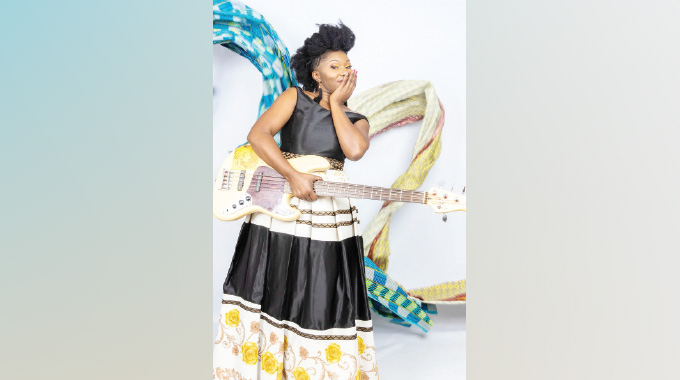
As the founder and president of the Zimbabwe Musicians’ union (ZiMU) and the Vice President of the International Federation of Musicians (FIM), she has been a trailblazer and stands as the first African woman in the presidium of the FIM, showcasing her exceptional technical skills and leadership.
Her nominated album, set for release on December 9, marks a departure from her usual sound, a shift she says was driven by the demands of the music itself.
“Varipasi is spiritual and ancestral. The major theme is musical traditions. I could have written the same songs in any rhythms and melodies, but I chose to go back to my roots because the issues I address in this album go way back to our ancestors and the traditions we lived by, some of which remain to this date, yet are condemned by our current generations and way of life. A lot has changed, but our musical traditions remain, that’s why I went back to the source.” — Follow on X @MbuleloMpofu