Chronicle Editor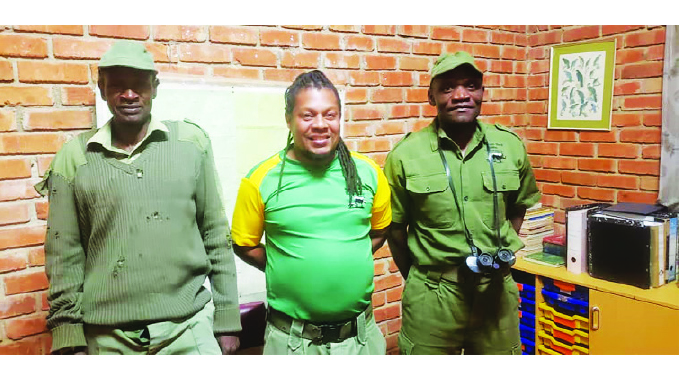
Michael Magoronga, [email protected]
AT some point, the Midlands Black Rhino Conservancy (MBRC) was left with only three black rhinos following unsanctioned resettlements into the conservancy.
The uncoordinated human settlements did not help matters as the new settlers cut down trees for building purposes and poached wild animals.
The MBRC is not only home to the endangered black rhino but other wild animals such as the giraffe, elephants, kudu and African rock python among others.
As the uncoordinated settlements continued to sprout, the conservancy came up with ideas on how to raise awareness against poaching, deforestation and other environmentally unfriendly developments.
They introduced massive tree planting projects through schools, churches, village heads and the community at large.
This saw the rhino population increasing gradually from a mere three to slightly above 10 as a result of the environmental education and awareness.
However, as the human population continued to grow within and around the conservancy, it became difficult for the rhinos to mark their own territories.
When a rhino matures, it marks its own territory which ranges from 44 square kilometres to 144 square kilometres depending on the availability of food in the area.
Rhinos are also highly selective feeders and as such they do not eat anything at their disposal and the continued deforestation in the conservancy made it difficult for the rhinos to mark their territories.
The rhinos need big spaces for breeding purposes and they are very religious to their usual corridor that they traverse in search of water and food.
The new settlements have made it difficult for rhinos to follow their traditional corridors in search of water or food.
This saw one rhino from MBRC named Tagara wandering out of the conservancy in search of a new safe place.
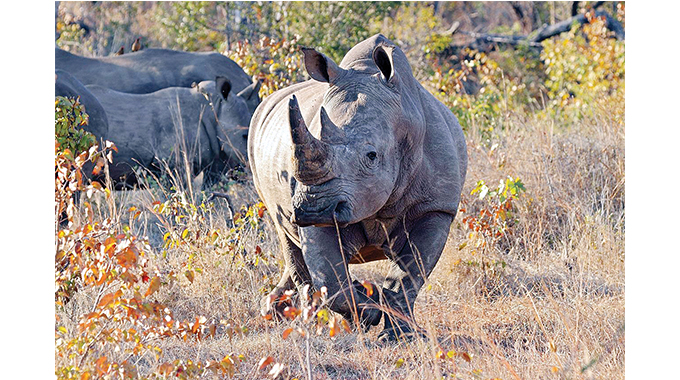
Fortunately, the alert MBRC rangers spotted the pregnant rhino heading towards unfamiliar territory leading to a 12-day tracking, monitoring and guiding of the rhino back to the conservancy.
The rangers tracked Tagara for more than 70 kilometres, a venture which saw them cross Mhondoro River , Mashonaland West Province all the way from Kwekwe.
Teams from the MBRC and Zimbabwe Parks and Wildlife Management Authority as well as a veterinarian quickly assembled and embarked on the odious journey that would last more than a week.
The tricky part was that they were supposed to safely bring back the rhino without harming either the fetus or itself hence the presence of the vet.
“After we lost sight of the rhino, we suspected that it had crossed Munyati and we quickly alerted our office. We gathered all the staff that we needed and we started tracking it,” explained Mr Jacob Musariri who was a part of the team.
Under normal circumstances, such searches would involve air transport for easy detection but the rangers were doing it differently.
“We would follow its spoor and we would locate it. It was not an easy thing as we would sleep in the bush and continue the following morning. We were exposed to all kinds of danger associated with the bush but we are grateful to our management who gave us all the necessities including food and other requirements,” he said.
But how does one drive a rhino?
“We would drive it the way we do cattle wherever we found it. At times we would easily locate it visually but if we failed, we tracked the spoors until we successfully brought it back to the conservancy where it’s safe now,” he said.
Mr Musariri hailed the community which played a key role in providing vital information about the whereabouts of the rhino.
It was joy and jubilation after Mr Musariri and his team returned home to meet other rangers who were looking after the remaining herd.
Conservator, Mr Brilliant Chibura had nothing but praises for the team that did a splendid job of tracking and bringing back the rhino safely.
“After one of our rhinos went wandering about and our rangers alerted us, we quickly mobilised a team and we asked for back up from Zimparks and they embarked on the journey. The team did a splendid job as they were doing what we call “vuka-lala” meaning where you sleep is where you start from the following day,” he said.
“Initially, the plan was to dart and translocate the animal but the vet advised against the idea as it would kill the fetus inside.

“If we had darted the rhino, chances were very high that it would miscarry. Of course, it was the shortest and simplest means but we did not want to lose either the mother or the calf so the rangers had to do the arduous task of chasing after the rhino until it found its way back into the conservancy,” said Mr Chibura.
After a difficult 12-day trip, the rhino was successfully brought back into the conservancy and is expected to give birth to its first calf anytime from now.
Going forward however, the challenge remains that of people fighting for territory with the animals.
“In this simulated set-up, humans play a pivotal role in the sustainable existence of these rhinos. We definitely need the protection of these rhinos which are on the verge of extinction if we do not take a bold stance. We are very privileged to have these animals but some people seem not to realise it,” said Mr Chibura.
He said environmental awareness campaigns would continue within the conservancy so that people realise the importance of the animals in their midst.



 Online Reporter