Online Reporter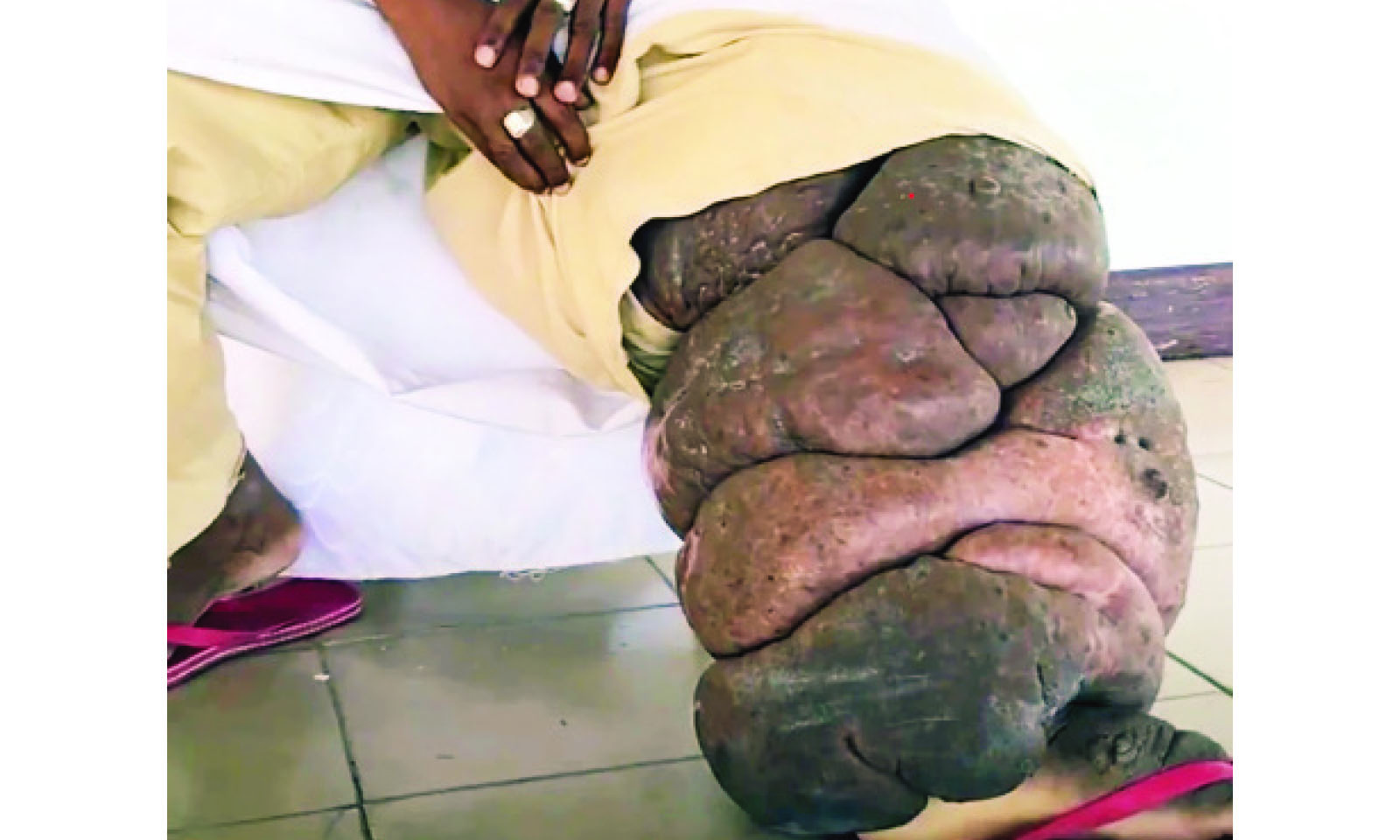
Tamara Sheila Shawa, Diwe Ekweremadu, Irenee Umulisa, Tessy M Karimba, Julio Rokotonirina, Melanie Renshaw & Francisca Mutapi
As international funding is depleted, African countries must step up or risk letting old threats return.
In communities where clean water is scarce and healthcare out of reach, preventable illnesses continue to thrive.
Neglected Tropical Diseases (NTDs) are a longstanding, overlooked health emergency affecting more than 1,6 billion people globally, with 40 percent of the burden in Africa alone. NTDs such as schistosomiasis, leishmaniasis and trachoma remain diseases of poverty, flourishing in the absence of clean water, sanitation and accessible health services.
The African Union (AU) established the Continental Framework for the elimination and control of NTDs to integrate NTD strategies, coordinate efforts, and mobilise resources across the continent. This was adopted by member states in 2022, emphasising integrated approaches, community engagement, and enhanced collaboration among stakeholders.
Recent publications have called for “ending the neglect” of these diseases through domestic funding of NTD control programmes. The call has taken on a renewed urgency because of a shifting in the global financing architecture that has historically underpinned African NTD programmes.
Reversal of progress
Cuts in US overseas aid, following the earlier termination of the UK’s ASCEND programme in 2021, are more than budgetary adjustments. They are a warning bell. Without a decisive pivot toward domestic financing, Africa risks reversing decades of hard-won progress against NTDs.
Our recent analysis, covering 55 member states, commissioned by the African Union, finds 28 AU member states reported having functional NTD programmes, with only 10 countries (36 percent) receiving some local government funding.
Of these, Tunisia is the only country with an NTD control programme fully funded from domestic resources. Most of the countries (six) commit less than 10 percent of domestic health funding to NTDs. The remaining 18 countries (64 percent) rely heavily on external donors. Already funding cuts have led to staff layoffs, and the suspension of drug distribution campaigns, impacting more than142 million people in 26 countries.
There is now a danger of drugs expiring in warehouses, and the end of Water, Sanitation and Hygiene (WASH) projects, many of which were USAID-supported.
This moment also presents an opportunity for African nations to reclaim agency over their NTD agendas as per WHO NTD Roadmap 3rd pillar, for driving country ownership and leadership for NTD control programmes indefinitely.
Domestic financing as a test of political will
Donor dependency has long been a double-edged sword. While catalysing action, it also breeds vulnerability. As donor priorities shift, often unpredictably, countries without domestic buffers are left scrambling.
The AU’s 2025 Roadmap to 2030 and beyond, adopted this year, recognises this.
It frames health not as charity, but as a pillar of continental development, health security and economic resilience.
Tunisia’s domestic funding of NTD control demonstrates that where there is political will, there is fiscal space and where NTDs are prioritised, sustainable control is within reach.
Why the stakes are rising
Climate change, urbanisation, and conflict are reshaping NTD epidemiology, leading to new outbreaks and expanding disease ranges. In Morocco, for instance, cutaneous leishmaniasis , already prevalent, has surged to 43 percent in some areas, driven by ecological and socio-political shifts.
This emphasises the fact that the burden of NTDs is not just medical, but social, economic, and generational.
The burden compromises school attendance, reduces productivity, deepens stigma, causes disability and disproportionately affects women and children.
These compounding crises make it even more imperative for African countries to mainstream NTDs into national health systems, rather than silo them as donor-funded anomalies. Integrated financing models — linking NTD 2 budgets to education, WASH, and primary healthcare — can stretch limited funds while building systemic resilience.
Domestic financing does not mean governments must go it alone. Innovative mechanisms are emerging.
Public-private partnerships (PPPs), corporate social responsibility (CSR) initiatives from firms and investment in local manufacturing can all reduce costs and improve access.
Recognising NTD champions at national and community levels can also elevate the political visibility of these diseases, spurring budgetary prioritisation. Tools like the ALMA continental scorecard can help drive programme domestication by tracking funding trends and programmatic impact and holding governments accountable while incentivising progress.
Perhaps the most critical transformation is conceptual. Financing NTDs must be seen not as a burden, but as an investment in human capital, in educational attainment, in economic productivity.
Every dollar spent on preventing schistosomiasis or lymphatic filariasis translates into hours of school regained, livelihoods protected, and health systems unburdened. This reframing aligns with Agenda 2063’s vision of a healthier, self-reliant continent. The control and elimination of NTDs must not be a footnote in Africa’s development story. It is a core chapter.
African scientists, programme managers, and policy leaders are doing more with less, championing locally relevant solutions and community-driven approaches.
As of May 2025, 56 countries, mostly in Africa, have eliminated at least one NTD globally, including Togo (four NTDs) and Benin, Ghana (three NTDs).
At a side event led by the AU on the margins of the 78th World Health Assembly on, May 21, 2025, six of the nine endemic countries signed a landmark Memorandum of Understanding to eliminate visceral leishmaniasis 3 and endorsed a Call for Action to promote cross-border collaboration and accelerate progress towards the elimination targets set for NTDs.
Achieving this is going to require sustained and dedicated financing, moving from donor dependence to proactive national ownership bolstered by partnerships and not patronage.