Rev. Dave Mukandatsama, [email protected]
In Ephesians 2, the Apostle Paul says Jesus destroyed the “dividing wall of hostility” between Jews and Gentiles.
Today, many walls still remain: racism, tribalism, regionalism, Afrophobia and sexism. In Christ, these divisions count for nothing. Every person shares the same God-given dignity and worth. To complete the work of reconciliation, we must identify and confront the different forms of racism that continue to affect our societies.
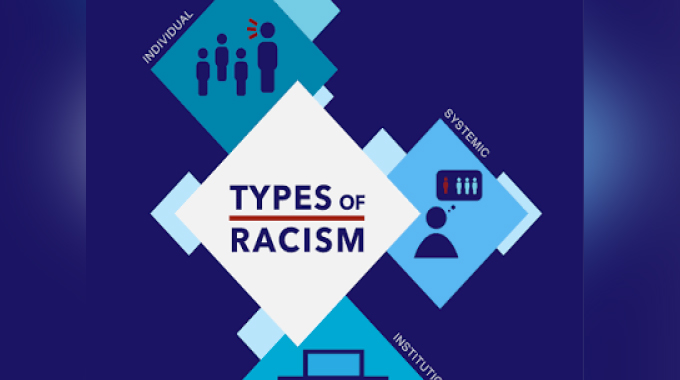
Interpersonal Racism: Racism between people
This is racism at a personal level. It stems from prejudice, ignorance and deeply held assumptions, and is expressed through words and actions. Common forms include verbal abuse and harassment, as well as the use of hate speech to demean and marginalise others. Often, it is not limited to a single insult but becomes a repeated pattern of behaviour.
Microaggressions: Small acts that cause harm. They generally occur in three forms:
• Micro assaults – racist jokes made “without intent to offend”.
• Micro insults – comments that imply a black person’s success is unusual or unexpected.
• Micro invalidations – denying that racism exists or dismissing a person’s experience of discrimination.
Even seemingly “innocent” remarks can inflict deep wounds when they are rooted in stereotypes and prejudice.
Institutional Racism: Racism in policies and organisations
Institutional racism is embedded within rules, policies and organisational practices. For example, a company may reserve certain positions for one race only. Schools, banks and government departments may operate systems that make it more difficult for black people to access equal opportunities.
Institutional racism is not always overt or loudly expressed. In many cases, it is subtle, woven into procedures, regulations and “the way we have always done things.”
Systemic or Structural Racism: Racism built into society
This is the broadest and most entrenched layer of racism. It is embedded within laws, economic systems, housing, education and justice structures over generations.
Examples:
1. Police Brutality: The killing of George Floyd in the USA highlighted how black lives are often treated as less valuable by some law enforcement systems. The outrage that followed was not spontaneous; it reflected years of accumulated pain and frustration.
2. Racial Profiling: Black people are disproportionately stopped, searched and questioned. At international borders, black travellers frequently face more intensive luggage and body searches because of assumptions linked to drug trafficking.
3. Mass Incarceration: In countries such as the USA, black men often receive longer and harsher sentences than white men for comparable offences. This damages families and creates significant barriers to employment and reintegration after release.
4. Redlining Neighbourhoods: Banks and property agencies deny loans or housing to people in particular areas because of race rather than creditworthiness, limiting economic advancement and access to opportunity.
These systems often preserve the power of dominant racial groups while restricting the opportunities, rights and social mobility of black communities.
Some may ask: “Zimbabwe is now majority black. Why talk about racism?”
The answer is simple: residual racism still exists.
We have witnessed cases of Chinese business owners mistreating black workers. Writer Kia Jarmon observes that, “Black humanity has been and continues to be purposefully overlooked, blatantly disrespected, and historically excluded.”
Even 46 years after independence, we must continue to speak out. We must never grow weary of affirming our black humanity and inherent worth. Scholar Edna Bonhomme reminds us: “While anti-Blackness might subjugate Black people… Blacks complicate that abjection through creative and cultural production… writing and the Bible being our weapon to address injustices like racism.”
Conclusion: No more dividing walls
Paul writes in Ephesians 2:12–16: “But now in Christ Jesus you who once were far away have been brought near through the blood of Christ… For He himself is our peace, who has made the two one and has destroyed the barrier, the dividing wall of hostility…”.
Africans should never apologise for being black. We are equal stakeholders in humanity, created in the image of God Almighty and endowed with equal dignity and value.
The path forward is clear:
• Reject internalised self-hatred and embrace the beauty of our natural identity, culture and heritage.
• End lateral racism and actively support one another.
• Challenge interpersonal prejudice through knowledge, understanding and respect.
• Dismantle institutional and systemic racism through just laws, fair policies and accountable leadership.
Christ broke down the wall. Our responsibility is to live as though it has truly fallen.
When we affirm black humanity in the face of racism, we are doing more than healing ourselves. We are helping to heal our communities, our nation and our shared future.
*Rev. Davison Mukandatsama is a church leader and social commentator based in Zimbabwe.