Online Reporter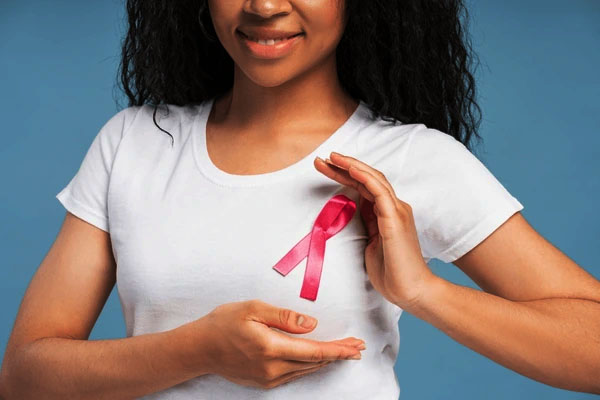
Disability Issues
Dr Christine Peta
BREASTFEEDING provides complete nutrition and passes vital antibodies from a mother to her baby, supporting healthy growth and protecting the child against illnesses.
Research shows that breastfeeding offers numerous health benefits for both the mother and the child.
For the baby, it lowers the risk of certain diseases and helps build a strong immune system.
For the mother, successful breastfeeding — supported by strong social care — can reduce the risk of postpartum depression, as well as several types of cancer.
It is against this backdrop that every year, the world commemorates World Breastfeeding Week from August 1 to 7 — a campaign led by the World Alliance for Breastfeeding Action (WABA) and endorsed by the World Health Organisation (WHO) and UNICEF.
The week emphasises the importance of breastfeeding for child survival, nutrition and maternal health.
Yet, for women who have survived breast cancer and undergone a mastectomy (the surgical removal of one or both breasts), Breastfeeding Week carries a layered meaning.
Too often, women who have undergone a mastectomy are viewed as less feminine or incomplete.
However, womanhood is defined by resilience, contribution and dignity — not by body parts.
Mothers who have had one breast removed can still breastfeed successfully, proving that motherhood is not diminished by surgery.
Those who have had both breasts removed cannot breastfeed, yet their role as mothers remains intact.
Breastfeeding Week should, therefore, serve as a platform to highlight inclusive maternal health, ensuring that women who cannot breastfeed are not stigmatised, but are instead supported with alternatives such as donor milk or formula.
In Zimbabwe, where breast cancer incidence is rising and disability inclusion is gaining traction, Breastfeeding Week offers an opportunity to broaden the narrative.
It is not only about promoting breastfeeding, but also about recognising the diverse realities of mothers, including breast cancer survivors.
For many women, breast cancer treatment involves mastectomy.
While lifesaving, the procedure raises complex questions about identity, functionality and whether survivors should be recognised under disability frameworks.
Disability is not defined solely by the loss of a body part, but by how physical impairments interact with social and environmental barriers.
Women who undergo a mastectomy may experience physical limitations such as restricted arm movement, lymphedema or chronic pain.
They may also face psychosocial impacts, including anxiety, depression, altered body image and social stigma from those who wrongly equate femininity and motherhood with intact breasts.
In disability studies, these challenges qualify as functional impairments.
Yet many health systems do not classify mastectomy survivors as women with disabilities, leaving them without access to disability benefits or inclusive support services.
Globally, debates continue regarding this recognition.
The World Health Organisation’s International Classification of Functioning (ICF) emphasises that disability arises when health conditions interact with societal barriers.
By this definition, mastectomy survivors who face stigma, limited access to prostheses or workplace discrimination do experience disability.
In Zimbabwe, disability inclusion is gaining momentum through the National Disability Policy.
Breast cancer survivors belong in this discourse because their lived experiences — from physical rehabilitation to social reintegration — mirror those of other disability groups.
Community support is vital.
Survivors need access to counselling, peer networks and prosthetic services that restore dignity, functionality and confidence.
These services include the provision of breast prostheses — custom-made or ready-to-wear inserts that fit into post-mastectomy bras to maintain body symmetry and reduce spinal strain.
Survivors also benefit from lymphedema management devices (such as compression sleeves to control swelling) and tailored counselling to help them adjust to body image changes.
Innovation in Zimbabwe should focus on producing affordable prostheses using local materials, reducing reliance on costly imports and ensuring accessibility for rural and low-income women.
By combining physical fittings with psychosocial support and peer networks, prosthetic services become a holistic intervention that empowers survivors to fully reintegrate into society while affirming their rights.
Institutions such as the Cancer Association of Zimbabwe and Organisations of Persons with Disabilities (OPDs) must collaborate to ensure survivors are included in disability rights frameworks.
Breast cancer is not just a medical condition; it is a social justice issue.
Survivors deserve recognition, support and empowerment — not pity. Recognising mastectomy survivors within disability frameworks will strengthen their access to rights and services while affirming their rightful place in society.
By embracing disability inclusion and celebrating all forms of motherhood, Zimbabwe can transform mastectomy survivorship into a story of strength, equity and dignity.
Dr Christine Peta is a disability, public health, policy, international development and research expert. She can be contacted on: developafrica2020@ gmail.com