

 admin
admin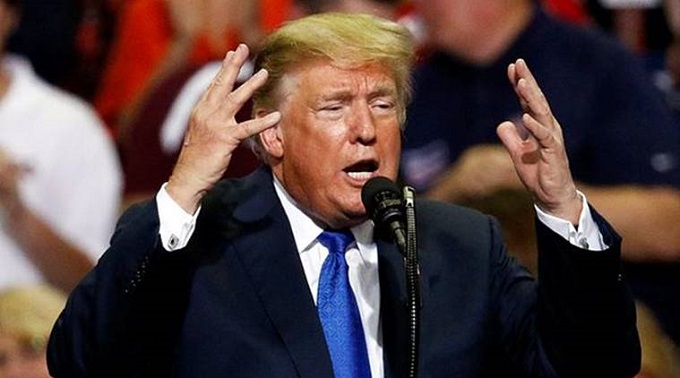
Brexit will inevitably leave Britain worse off than had it remained in the EU, the UK Chancellor Philip Hammond said yesterday.
Hammond has previously repeatedly insisted that “when the British people voted [in the EU referendum] they did not vote to become poorer.”
However, Theresa May’s government will today release official assessments showing that he UK economy will be hit under all likely Brexit outcomes.
Speaking on the Today programme, Hammond said there would inevitably be a cost to any form of Brexit.
“Purely from an economic point of view there will be a cost to leaving the European Union,” Hammond said.
“If you look at this purely from an economic point of view there will be a cost to leaving the European Union because there will be impediments to our trade.”
However, he added that there were potential “political” benefits to Brexit, such as being able to sign independent trade deals and have an independent fishing policy.
The analysis, set to be released in full on Wednesday morning, will show that leaving the EU without a deal would cost the British economy £150 billion, or some R2.7 trillion, over 15 years.
By contrast, Hammond said that May’s deal would only leave the economy “very slightly smaller” than if Britain had remained in the EU.
The Chancellor also suggested that the government could be forced to change course and back an alternative form of Brexit, including a Norway-style Brexit in which Britain remains in the single market, if May’s deal is defeated.
“If that is rejected then we will have to review the options,” he said.
“We will have to look at the parliamentary arithmetic and see what is the best way to proceed.”
Hammond said remaining in the Single Market would leave Britain at an “economic advantage.”
“If you look purely at the economics, then remaining in the Single Market would give us an economic advantage yes,” Hammond said.
Hardline Brexiteers in Hammond’s Conservative party accused the Treasury of seeking to undermine Brexit.
“The reputation of government economics is in the gutter. That must change. It’s time for the Chancellor to publish all his assumptions and full model documentation so we can begin the process of recovery,” former Brexit minister Steve Baker said.
“We’ve all had about enough of Project Fear,” former International Development Secretary Priti Patel said.
“We were told during the referendum campaign that we’d each lose £4 300 and that there would be a recession and higher unemployment. And yet we’ve seen record wage growth and record employment levels.
“If ministers spent time preparing for a no deal scenario, rather than dreaming up silly scare stories, we could all make a success of our post-Brexit future.”
Meanwhile, May says she is in no hurry to meet with Donald Trump after his latest verbal barrage at her Brexit strategy.
May hasn’t requested a meeting with the US president at the Group of 20 summit in Buenos Aires this week, her spokesman, James Slack, told reporters yesterday. The reason? “We’ve met the president a number of times in recent months,” according to Slack.
While the UK holds dear its so-called “special relationship” with the US, the truth is May and Trump’s interactions have been less than special, and they’ve fallen out on several occasions.
The president’s latest undiplomatic language saw him criticise the Brexit deal May struck at the weekend with the European Union, saying it may leave Britain unable to trade with the US.
The verbal bombshell undermines her approach, because she’s held up striking a trade deal with the world’s biggest economy as one of the big prizes of leaving the EU.
Trump called the agreement “a great deal for the EU” and urged May to reopen talks with Brussels.
The prime minister’s office pushed back in a statement, saying the deal allows for the UK to strike its own trade deals and it remains committed to getting one with the US.
The two leaders are due to attend the G20 summit tomorrow and Saturday in the Argentinian capital, May’s first opportunity to sell in person the deal to leaders outside the EU as she seeks lucrative trade accords around the world.
Trump also criticised May’s Brexit strategy in an interview with The Sun newspaper just before meeting with the prime minister at her country retreat in July.
That time, he spent an hour-long news conference trying to patch up relations. But May was unable to resist a dig back after he’d left, laughing as she revealed that the president’s advice to her had been “sue the EU”.
Their first meeting, when May visited the White House in January 2017, went well, with the prime minister and president even holding hands, but then Trump announced a controversial immigration policy while she was en route back to Europe, and May came under pressure to condemn it on landing.
Since then, the two have repeatedly clashed in public: over intelligence leaks after a terrorist attack in Manchester, the Iran nuclear deal, and most dramatically, after the president tweeted a message from a British far-right anti-Muslim campaigner.
May’s office has also slapped down Trump when he tweeted that former UK Independence Party Leader Nigel Farage should be made US ambassador; and after Trump criticised London Mayor Sadiq Khan in the wake of a terror attack on London just days before the June 2017 general election, the premier was forced to defend the opposition Labour Party politician.
With Britain due to leave the EU in March, a US trade deal remains a target. “We’re working with the US very closely,” Slack said.— AFP.


 Online Reporter
 derick.khumalo