Online Reporter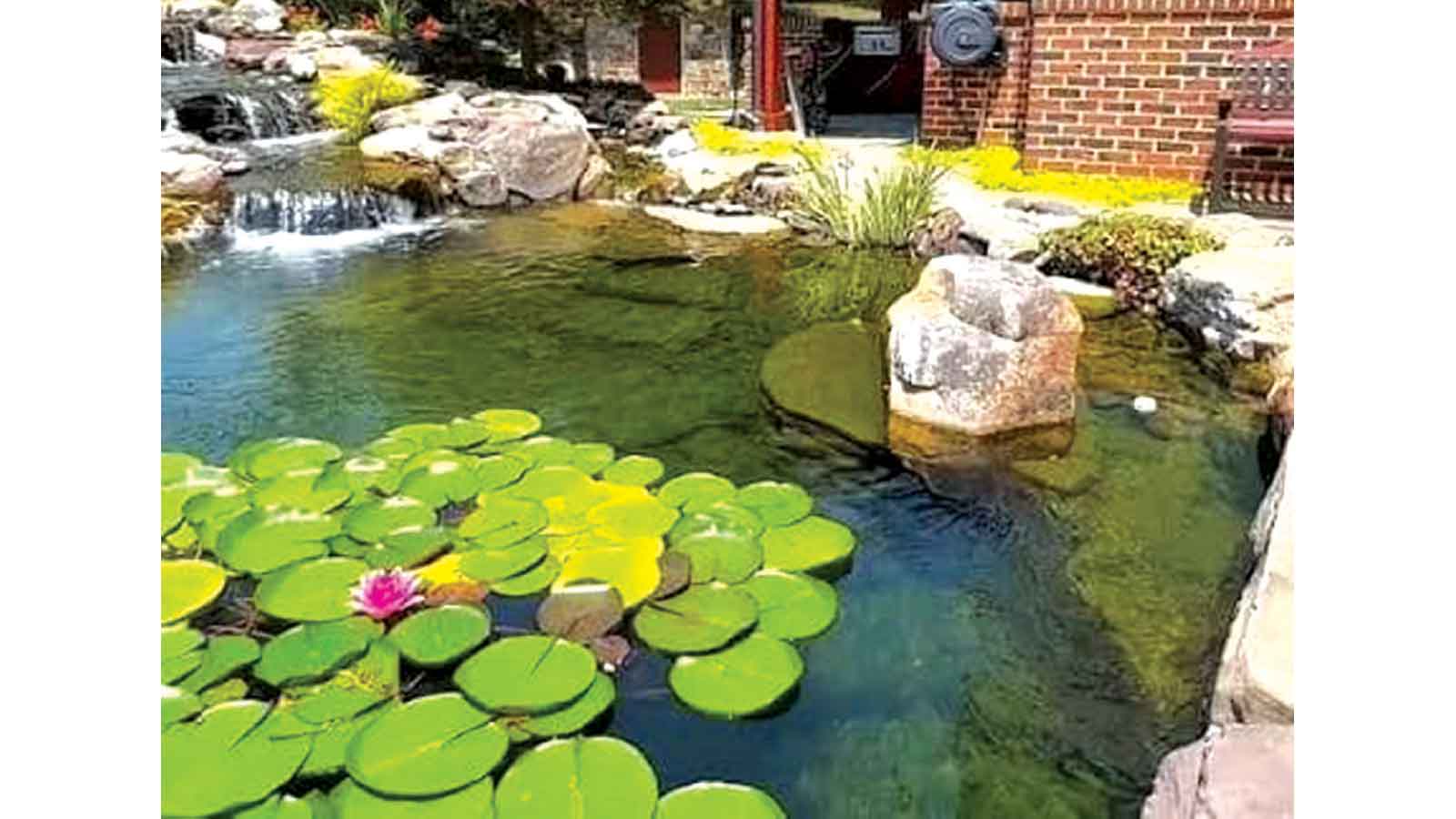
Andrew Mangwarara
SINCE time immemorial, human beings have been fascinated by the beauty of water features near their homes, largely due to the surrounding plant life.
One plant synonymous with water ponds is the water lily (nymphaea species and their hybrids), featuring pad leaves that float on the water’s surface and beautiful flowers that adorn it at certain times of the year.
They not only add ornamental value but also contribute to the pond’s ecology by providing shelter and breeding grounds for many forms of aquatic life, including fish.
How do you grow water lilies?
They require water deep enough to cover the entire plant, as the growing tip needs to be submerged under a minimum depth of 15 cm to 20 cm of water.
They also need adequate space for optimum performance and must receive a minimum of six hours of sunlight per day, so you should avoid shaded areas.
Each flower lasts for three to four days, with some opening in the morning and closing in the afternoon, while others are nocturnal and open at night before closing at sunrise.
Blooming continues throughout the summer, and the plants go dormant in the winter before new leaves emerge ahead of the first flush of flowers. With so many colours to choose from, you can select the options that best suit your aesthetic.
Transplant them in early spring, feed them with specialised water lily fertiliser and plant them in loamy soil with the rhizomes positioned just beneath the surface of the potting medium.
Enjoy the beauty of water lilies in your pond or water feature.
If you would like to be featured in our green-up campaign, contact us on: [email protected] or [email protected]