admin
admin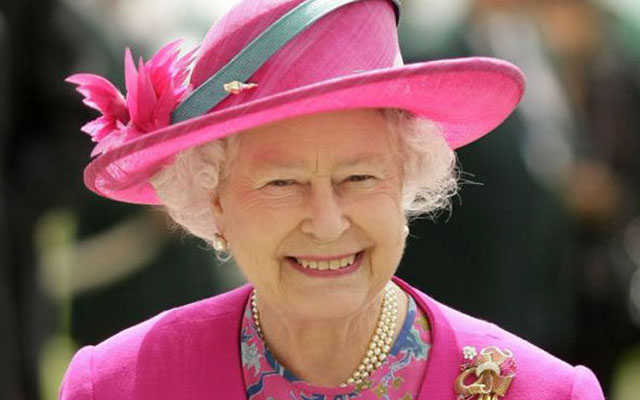
The Herald, October 11, 1991
THE Commonwealth is meeting in Harare at a time of dramatic change in Africa and other governments, and people of the continent can draw inspiration from the example of Zimbabwe, the Head of Commonwealth, Queen Elizabeth II, said yesterday.
Speaking at a State banquet hosted in her honour by President Mugabe, the Queen said the next years would not be easy, least of all in South Africa.
“But contemporary history is showing us daily that good government and equality of opportunity can overcome differences of race, culture or religion.
“I pray that the process of positive change underway in South Africa may be successfully continued. Heads of Government in Harare will certainly do their best, I am sure, to give it every encouragement.’’ The Queen said it was almost 45 years since she had enjoyed her first visit to the country with her parents. Since then, Zimbabwe had changed almost beyond recognition in many ways.
“What has not changed, I am happy to say, is the welcome you accord your visitors.”
The Queen said Britain and Zimbabwe had their differences and these had, before independence, been deep.
“But our friendship has stood the test of time, as true friendships always do.”
Britain’s link with Zimbabwe went back to a century and these links were part of both countries’ histories. Many Zimbabweans were of British origin and continued to make an important contribution to national life. There were many in Britain who followed Zimbabwe’s fortunes with a deep rooted affection.
“Zimbabwe and Britain are both parliamentary democracies with strong and independent judiciaries. These are assets to be cherished and they are the basis of our shared view of the sort of society we want to live in.
“Both countries support legality and the rule of law in international relations. And, of course, we are members of Commonwealth family.”
In the next few days the Queen hoped she would see something of Zimbabwe’s post-independence achievements. Britain was proud of its contribution to Zimbabwean development, through the aid programme, military training and the sheer size of British investment.
With the demands of CHOGM claiming much of her time, she said Prince Philip would have the opportunity to visit aid projects and the British Military Advisory and Training Team as well as examine wildlife conservation work. Both would be able to undertake an interesting programme of visits in Harare, Bulawayo and Great Zimbabwe.
The last time she was in Southern Africa was for the 1979 Commonwealth meeting in Lusaka. “That meeting started the process that led to a negotiated settlement in Rhodesia’s problems, and that in turn paved the way for Zimbabwe’s independence.
LESSONS FOR TODAY
- Zimbabwe is trying to rejoin the Commonwealth following its departure in 2003.
- The Second Republic believes that the engagement and re-engagement mantra have earned it positive dividends, which make Zimbabwe well-positioned to join any international body, including the Commonwealth.
- Zimbabwe is member to a number of regional and international bodies.
- Queen Elizabeth II turned 95 this year. She is still to appoint her successor, although Prince Charles should succeed her, but he is also ageing.
- Is it fair that a former coloniser creates private space where it calls the shots? Isn’t this another form of neo-colonialism? The United Kingdom and France are among former colonisers with such neo-colonial set ups on the continent.


 Online Reporter