Online Reporter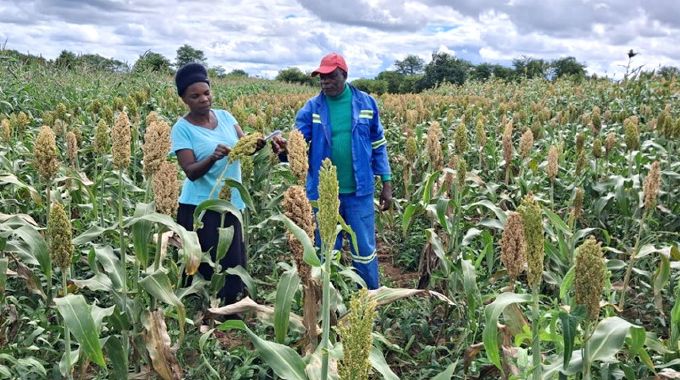
Fortune Makoni [email protected]
FARMERS in Bubi District have been urged to embrace climate-smart agriculture and irrigation as the district grapples with changing rainfall patterns and livestock diseases threatening food production and household livelihoods.
The call was made by Agricultural and Rural Development Advisory Services officer for Bubi District, Mr Josphat Kujinga, during a rural district development meeting in Inyathi yesterday.
Mr Kujinga said farmers needed to be kept abreast of changing climatic conditions and developments in the agricultural sector to enable them to plan effectively and safeguard food security.
He said the district was prioritising climate-smart agriculture, irrigation, livestock disease control and improved land preparation to sustain production.
“Farmers need to prepare for changing rainfall patterns,” said Mr Kujinga.
Land preparation is already under way, with two tractors and a disc harrow being used in the district.
A total of 13 hectares have been ploughed and 2,8 hectares disked, while farmers with tractors are assisting others to prepare their land. Mr Kujinga said the district was also implementing measures under the national drought mitigation strategy, with emphasis on protecting harvests, strengthening food reserves and reducing post-harvest losses.
The national strategic grain reserve target is 600 000 tonnes and farmers are being encouraged to adopt climate-smart production methods, grow traditional grains and increase the use of irrigation.
Government has also approved producer and incentive planting prices for the 2026-27 season, with winter wheat set at US$531,93, maize and traditional grains at US$432, soya beans at US$660 and sunflower at US$626.
Mr Kujinga said Bubi had also engaged a new development partner, the Markets and Seeds Access Project (MASAP), to improve food security and livelihoods among smallholder farmers, particularly women and youths.
The project will support the production and marketing of drought-resistant crops such as sorghum, pigeon peas and groundnuts.
Despite dwindling pastures, Mr Kujinga said livestock in the district remained in generally good condition.
However, he said foot-and-mouth disease (FMD) had been detected at 31 dip tanks across four farms, resulting in the district being placed under quarantine.
“January disease also remains a concern, with 2 992 deaths reported at an estimated value of US$1,492 million,” said Mr Kujinga.
District veterinary extension supervisor Mr Khulekani Mpofu said veterinary officials will continue monitoring the situation and investigating the causes of the disease.
He said efforts were also being made to reduce the prevalence of the disease, although completely eradicating it remained difficult.
The district reported that 8 454 animals had been vaccinated, while 4 451 dogs were also vaccinated against rabies.
With the veld-fire season beginning, farmers were urged to control fires and make use of excess grass by baling it.
More than 6 000 bales have already been produced, providing farmers with an alternative way of preserving fodder while reducing the amount of dry grass available to fuel veld fires.
The district is also promoting agricultural participation through food days and agricultural shows as part of efforts to improve knowledge sharing, showcase production and strengthen household food security.