Nqobile Bhebhe [email protected]
PROPOSALS to raise the tax-free income threshold to US$150, reduce taxes on electronic transactions and maintain fuel subsidies have emerged among key recommendations for the 2027 National Budget.
The proposals were raised during the National Pre-Budget Seminar in Bulawayo, where stakeholders called for measures to ease the cost of living, reduce production expenses and stimulate economic activity.
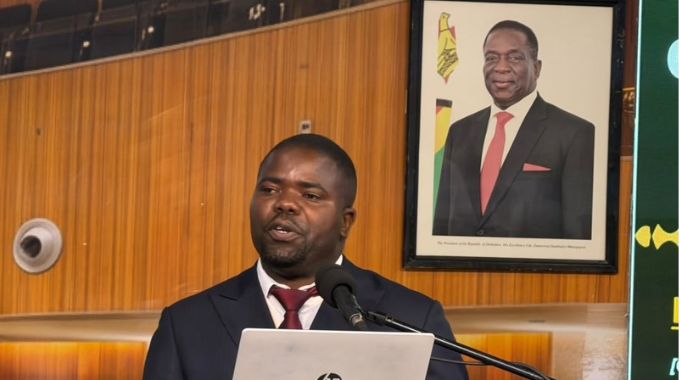
Chairperson of the Parliamentary Portfolio Committee on Budget, Finance and Investment Promotion, Lincoln Dhliwayo, said consultations had revealed calls to increase the current monthly tax-free income threshold from US$100 to US$150 to provide relief to low-income earners.
“There was a proposal that was raised concerning the tax-free threshold currently standing at $100.
“Anyone who earns $100 is not taxed anything, the payee is not taxed.
“So people were raising, they wanted that tax threshold to be raised up to $150,” he said while presenting the committee’s report.
If adopted, the proposed adjustment would increase the portion of monthly income workers can earn before paying Pay As You Earn (PAYE), potentially boosting disposable incomes and household spending.
Stakeholders also proposed continued Government support for fuel prices to keep them below US$2 per litre, arguing that lower prices would help reduce production and consumer costs.
“There was a proposal to ensure that the government continue to subsidize our fuel so that it is made below two dollars so that at least the cost of production and also the cost to consumers is somehow reduced,” said Dhliwayo.
Fuel prices have a bearing on transport, manufacturing, agriculture and the distribution of goods, making them a significant cost component for businesses and consumers.
The seminar also heard proposals to reduce the Intermediated Money Transfer Tax (IMTT) on both Zimbabwe Gold (ZiG) and United States dollar transactions.
Dhliwayo said stakeholders wanted further reductions following the previous adjustment to the tax rate.
“Then another proposal had to do with the IMTT. You recall that last year the IMTT was reduced from 2% to 1.5%, but there was a proposal to try and reduce that IMTT rate from 1.5% for ZIG to 1% and from 2% to 1% for USD transactions.
“This is to try and reduce the cost of electronic transactions so that we promote electronic transactions,” he said.
The proposed changes would reduce transaction costs for individuals and businesses, potentially encouraging greater use of electronic payment systems.
Businesses that process large volumes of digital payments could also benefit from lower transaction charges, helping them retain more working capital.
The proposals reflect stakeholder calls for the 2027 National Budget to balance revenue mobilisation with measures that support household incomes, reduce business costs and encourage economic activity.