Online Reporter
Disability Issues
Dr Christine Peta
Higher education is often described as the great equaliser — a pathway to opportunity, innovation and leadership.
AS societies strive to build inclusive futures, enhancing equity, access and diversity in higher education must become a priority.
This is not simply a matter of compliance with international conventions such as the United Nations Convention on the Rights of Persons with Disabilities (UNCRPD); it is about justice, dignity and unlocking the full potential of human diversity.
The case for disability inclusion in higher education is compelling.
At its core, education is a human right.
Beyond rights, inclusion enriches the academic community.
Diverse perspectives foster innovation, challenge assumptions and prepare graduates to lead in pluralistic societies.
Moreover, inclusive higher education contributes to national development.
By equipping persons with disabilities with skills and qualifications, institutions expand the talent pool, strengthen economies and promote social cohesion.
In short, inclusion is not charity — it is investment.
As educators, we hold the power to shape minds, challenge norms and foster environments where every learner is valued.
Recognising disability not as a deficit but as a dimension of human diversity — worthy of rigorous scholarship, inclusive innovation and transformative leadership — is key.
We must create spaces where disability is not only studied but also lived, led and reimagined by all.
Enhancing equity and access for persons with disabilities is inseparable from broader efforts to promote diversity in higher education.
Diversity must be understood in its fullest sense — encompassing disability, gender, race, culture, religion, socioeconomic status and more.
Institutions that embrace diversity cultivate resilience, creativity and relevance in a rapidly changing world.
For disability inclusion specifically, diversity means recognising that persons with disabilities are not a homogenous group.
Needs vary widely and policies must be flexible enough to accommodate this spectrum.
For persons with disabilities, inclusion is the bridge between exclusion and empowerment, between marginalisation and leadership.
Universal Design for Learning (UDL)
Curricula must be designed to accommodate diverse students from the outset.
UDL emphasises multiple means of representation, engagement and assessment.
For example, lectures can be supplemented with captioned videos, transcripts and interactive materials.
Assessments can move beyond timed written exams to include oral presentations, portfolios or project-based evaluations.
Campuses must also commit to physical accessibility — ramps, elevators, tactile paving and accessible toilets should be standard, not optional.
Equally important is digital accessibility.
Investment in assistive technologies, from screen readers to adaptive lab equipment, ensures that students with disabilities can participate fully.
Universities should adopt comprehensive disability-inclusion policies aligned with the UNCRPD.
These policies must be backed by resources, accountability mechanisms and leadership commitment.
Disability support offices should be adequately funded and staffed, providing counselling, advocacy and academic support.
Faculty and staff training
Educators play a pivotal role in shaping inclusive learning environments.
Training programmes should provide practical strategies for inclusive teaching while also challenging stereotypes.
Staff across the institution — from admissions officers to librarians — must understand their role in fostering equity.
Support services should extend beyond academics.
Peer mentoring, disability advocacy groups and inclusive student organisations foster belonging and reduce isolation. Universities must create spaces where students with disabilities can lead, advocate and contribute to campus life.
The future of higher education depends on its ability to reflect the diversity of society.
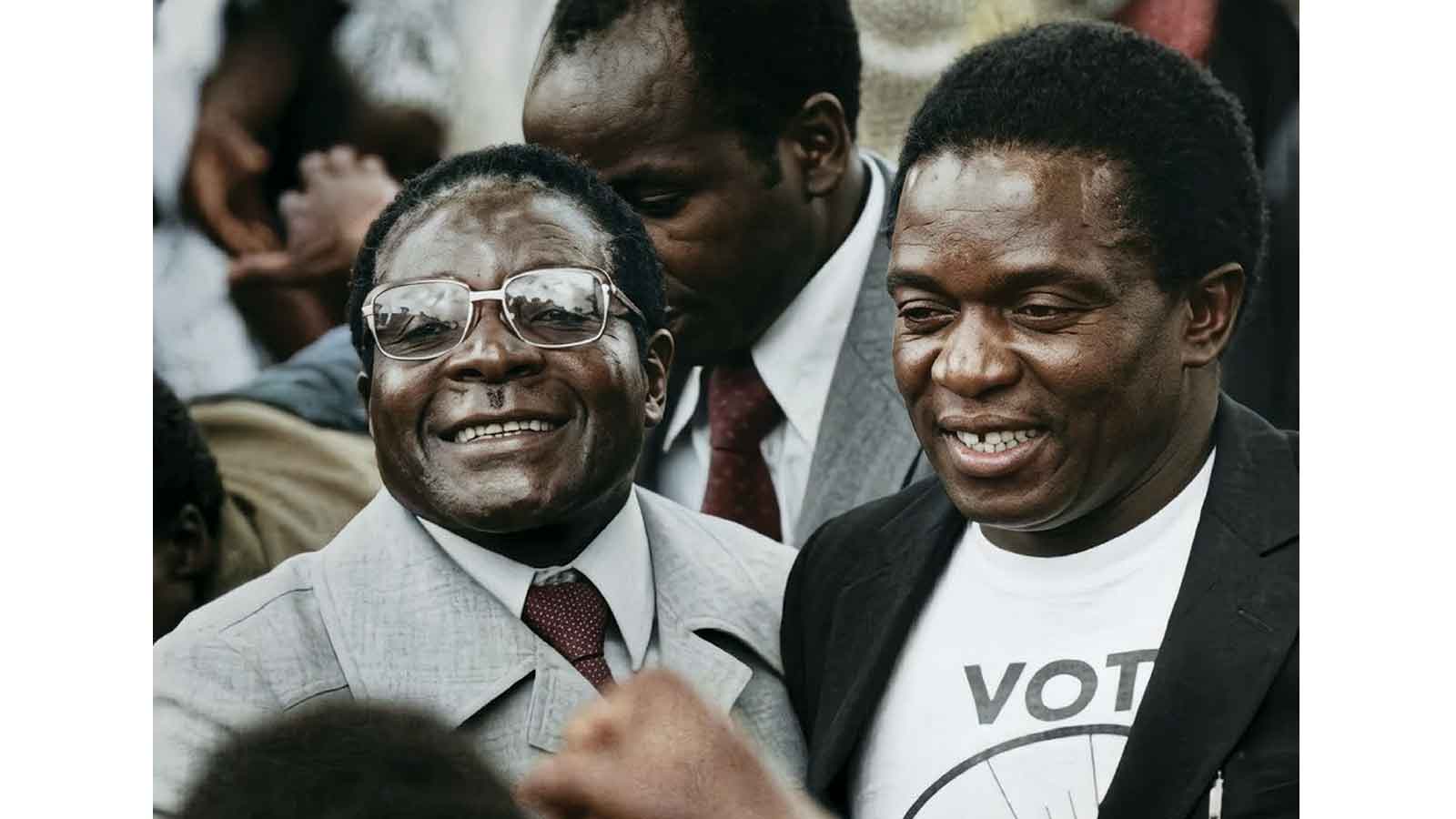
President Mnangagwa has made a powerful call for inclusive development and equitable progress: “Leave no one and no place behind.”
By embracing disability inclusion, institutions not only uphold human rights but also enrich their academic communities, strengthen economies and build more just societies. The time for incremental change has passed. What is needed now is bold, systemic transformation because true equity in education means embracing all.
Dr Christine Peta is a disability, public health, policy, international development and research expert. She can be contacted on: developafrica2020 @gmail.com