Online Reporter
Bruce Ndlovu-Society Reporter
WHEN organisers of the Bulawayo Arts Awards (BAA) announced last year that the 2024 edition had been postponed, the city’s artistes were not amused.
The organisers indicated there was limited representation across certain genres, a situation that was reportedly likely to affect the quality of the ceremony if left unaddressed.
While they recognised the exceptional work produced by artistes over the calendar year, the extra time would allow them to ensure a more inclusive selection of works for the awards.
Of course, this explanation did not satisfy the city’s legion of performing artistes.
They had worked diligently throughout 2024, and as the year came to a close, they were itching for their moment on the red carpet.
Tuxedos and flowing evening dresses had been prepared and all that was missing was the occasion for which to wear them.
Amidst the uproar, however, there were also murmurs of concern: What if the BAAs were losing their spark? What if, under the guise of a postponement, Bulawayo’s beloved awards ceremony was preparing for an unceremonious and quiet exit?
These concerns were not far-fetched.
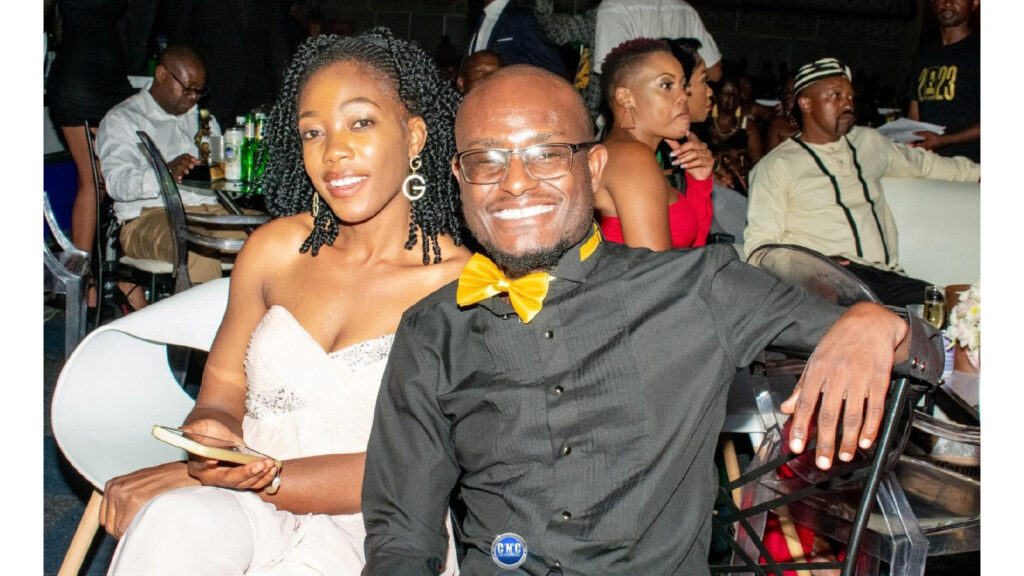
Over the years, the city has lost several events, including festivals and prestigious gigs. They disappeared, promising a return that never came.
So, when organisers finally announced the list of nominees for this year’s awards, there was a collective sigh of relief in some quarters.
That feeling, however, quickly gave way to heated debate.
As soon as the list started doing the rounds on social media, it was dissected by those who felt that, once again, the awards were failing to live up to their billing.
Nominations controversy
“How did Tee X Tekie find himself in the hip-hop category,” some asked, “when all he had done were YouTube skits?”
Veteran rapper Asaph questioned why the accolade itself was not named the Calvin Mgcini Nhliziyo Outstanding Hip-Hop Award in honour of one of the city’s greatest wordsmiths.
Was Lushi Shiki nominated in the wrong category or were organisers now keen on pitting apples against oranges?
Despite the city’s rich history in the visual arts, Owen Maseko questioned why there was no visual arts category in this year’s ceremony.
This, some felt, was a deliberate insult to institutions like the National Gallery of Zimbabwe in Bulawayo (NGB), the Visual Artists’ Association of Bulawayo, Art Bulawayo, Amakhosi Gallery, Black the New Green, Centre for Contemporary Art Bulawayo and the Mzilikazi Art and Craft Centre — nurseries of some of the city’s greatest artists.
Defending the awards
Some, on the other hand, came out in defence of an award ceremony that was under siege for the greater part of the week.
“I have been seeing some of the discourse around the Bulawayo Arts Awards and you can immediately tell the difference between the doers and the talkers, the skilled and unskilled, the experienced and inexperienced,” said Gcinakele Mhlanga of Amakhosi Cultural Centre.
“This is one of the core challenges of the disconnect in the arts and entertainment sector. Social media commentary from uninformed positions can distort value, discourage emerging talent and stall meaningful growth. It is so unfortunate that social media is a thing that is very difficult to check and this risks widening the gap between visibility and actual progress in the creative industries.”
While some felt that the awards had come under undue criticism, BAA spokesperson Nkululeko Nkala said they had not taken offence at any of the views expressed, as the ceremony’s backbone was the artistes themselves.
“The owners of the awards are the people and artistes,” Nkala said.
“We will not water down any concerns, comments or complaints. Every single one of them matters for the growth of the awards. So, instead of hiding from the concerns that have been raised, we want to look everyone in the eye and say we are taking every comment that has come our way on board, good or bad.”
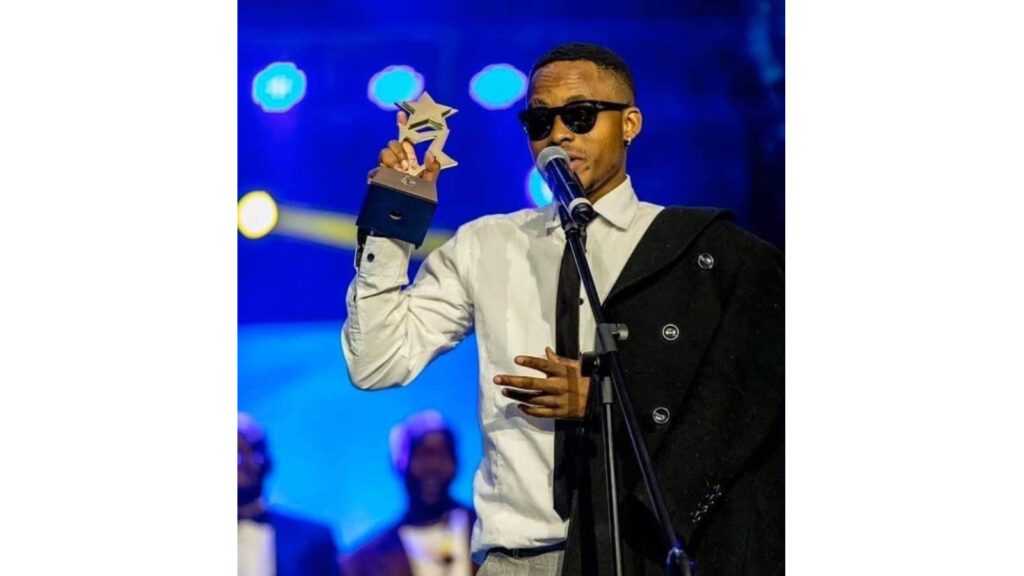
Nkala added that they believed most of the criticism thrown at them came from a place of love.
“Of course, some might have expressed misgivings about certain things, but we do not look at them as people who have anything against the awards. It only means people love the awards and are concerned about them. We can only appreciate and strive to do better all the time, and we can only do that by taking seriously any worries that people might have about the awards.”
An affirmation of importance
One of the ceremony’s organisers, Raisedon Baya, believes they still had a lot to learn and would thus embrace all views.
“Personally, I think, because we are living in the era of social media, where everyone has a voice and therefore has an opinion, once you are doing something that is in the public sphere, you cannot run away from these voices,” Baya said.
“Whether these are dissenting voices or voices full of praise is another matter. Once it is in the public domain, it is beyond your control and that is what has happened with this year’s awards. We are being subjected to a lot of views and we embrace them.”
Baya said they were not discouraged by some of the criticism, as it showed that the BAAs were still a meaningful ceremony.
After skipping a year, none of the excitement and anticipation that accompanied the ceremony had waned, if online chatter was anything to go by.
“For us, this is more of an affirmation of the awards,” he explained.
“It is an affirmation that this is a big event and everyone wants to be involved in it. If we take what has been said since the list came out, it seems everyone wants to be involved, whether through the suggestion of a winner, being a nominee or associating with a nominee. For me, that is a positive affirmation of the awards.”
Baya said, as the ceremony approached, they hoped that some of the complaints would be replaced by the same kind of excitement that had accompanied past ceremonies.
“Even before we announced the nominees, we were getting a lot of calls from people asking what was happening because to them it was unacceptable that we could go another year without the awards. So, it is a popular event and it is an important event within the arts sector. However, we hope that, as we go on, we will see more celebration than grumbling,” he said.
“In terms of the importance of the event, all the chatter is showing that this is indeed the most important event in the city. It must be supported, and no matter what happens, it must take place.
“We have always maintained that this is the biggest dress-up event in the city, so we really hope that people turn out once again, dress up and come and enjoy with their favourite artistes.”