Online Reporter
Nqobile Bhebhe, Zimpapers Senior Writer
BULAWAYO has been presented with a strategic opportunity to strengthen its position as a gateway to some of Zimbabwe’s premier tourism attractions through participation in a national colloquium focused on rural tourism development, community empowerment and environmental sustainability.
The City of Bulawayo says its participation in the forthcoming Rural Tourism Development Colloquium, scheduled for 22 to 25 June will help advance its economic development agenda while reinforcing its role as a stop-over destination for visitors exploring surrounding rural tourism attractions.
The colloquium, which will be hosted by the University of Zimbabwe in collaboration with Kwedu Rural Experience, will run under the theme “Community-Based Tourism, Social Inclusion and Environmental Sustainability.” The event is expected to bring together academics, policymakers, traditional leaders, non-governmental organisations and rural authorities to deliberate on strategies for rural development and tourism-led economic growth. According to a latest council report, the colloquium’s focus areas including rural industrialisation and job creation, rural development, ICTs in rural communities, environmental sustainability, social inclusion and infrastructure development are closely aligned with Bulawayo’s vision of becoming a leading industrial, cultural and tourism hub.
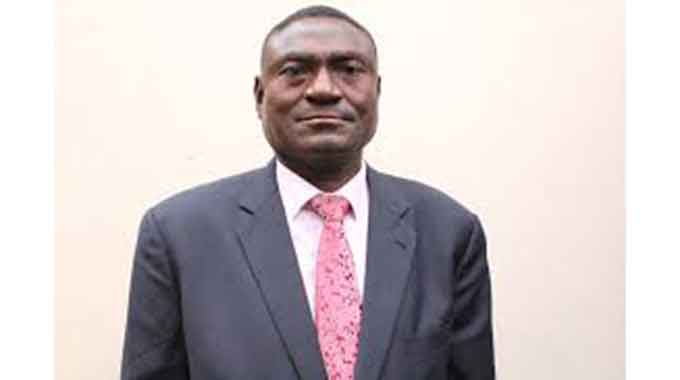
“Bulawayo’s economic development initiatives emphasises industrial revival, youth empowerment and sustainable urban-rural linkages. Participation in this event would allow the city to identify strategies for leveraging tourism, heritage and innovation as drivers of economic transformation, while learning from national and regional best practices,” Town Clerk, Mr Christopher Dube said.
The city has been invited to make a presentation on tourism value chains and rural linkages, building on its strong performance at a previous tourism and research event in Victoria Falls where it won the award for the best overall research paper.
Council said Bulawayo’s tourism fortunes are closely intertwined with surrounding rural and peri-urban destinations, many of which are among Zimbabwe’s most significant attractions.
“A strong justification for Bulawayo’s attendance lied in the fact that the City’s most significant tourist attractions were not located within the urban core but in surrounding rural and peri-urban areas. Sites such as the Matopo Hills and Matopo National Park, Khami Ruins, Lumene Falls in Esigodini and Blue Hills Camp were central to Bulawayo’s tourism economy,” it said.
Among these attractions, the UNESCO World Heritage Site of Matopo Hills remains one of Zimbabwe’s most celebrated tourism assets, drawing both domestic and international visitors because of its unique granite landscapes, biodiversity, cultural significance and rich historical heritage.
The city believes stronger integration between urban and rural tourism products could unlock greater economic benefits for communities while increasing visitor spending throughout the tourism value chain.
“Furthermore, the City of Bulawayo was not isolated but was surrounded by rural districts such as uMguza, Bubi and uMzingwane, which contributed to its socio-economic ecosystem. The Colloquium would help identify strategies by which the City of Bulawayo could benefit more from these rural areas, strengthen relationships and enhance tourism value chains that link the City with its rural hinterland,” council said.
The colloquium will feature cultural showcases, tourism product development initiatives and site visits designed to create opportunities for local entrepreneurs and community-based tourism operators.
Council noted that participation would also provide a platform to strengthen partnerships with rural communities, universities and development organisations.
“Attending the Colloquium was therefore important for the City of Bulawayo as it provided a platform to strengthen partnerships with surrounding rural communities, universities and NGOs,” it said.
“It also offered an opportunity to position the City as a key player in national development dialogues, particularly in areas such as rural-urban integration, ICT-driven entrepreneurship and sustainable tourism. The presence of policymakers and traditional leaders ensured that Bulawayo could influence and align rural development initiatives with its broader metropolitan agenda.”
Expected outcomes include the establishment of collaborative tourism and cultural industry projects between Bulawayo and neighbouring rural communities, identification of opportunities for rural industrialisation, strengthening youth and women participation in tourism value chains and enhancing the city’s visibility as a municipality committed to inclusive and sustainable development.
“The Colloquium presented a strategic opportunity for Bulawayo to advance its vision and economic development initiatives through dialogue, collaboration and innovation in rural tourism and community-based development, while reinforcing its role as a gateway and stop-over destination for rural tourism experiences.”
Tourism remains one of Zimbabwe’s most important economic clusters, contributing significantly to foreign currency generation, employment creation, investment attraction and rural development.
The sector supports a wide range of industries including hospitality, transport, aviation, arts and crafts, agriculture, retail and cultural enterprises, creating extensive linkages across the economy.
Government has consistently identified tourism as a key pillar for economic growth owing to its capacity to stimulate inclusive development while leveraging the country’s abundant natural, cultural and heritage assets.
The sector has also emerged as a critical vehicle for community empowerment, particularly in rural areas where tourism activities create income opportunities for local households, women and youth.
Destinations such as Victoria Falls, the Great Zimbabwe Monument, Hwange National Park, the Eastern Highlands and the Matopo Hills have demonstrated how tourism can drive infrastructure development, conservation efforts and enterprise growth.
As Zimbabwe seeks to diversify its economy and increase export earnings, strengthening tourism value chains and enhancing rural-urban tourism linkages are increasingly being viewed as essential strategies for sustainable economic development.