Online Reporter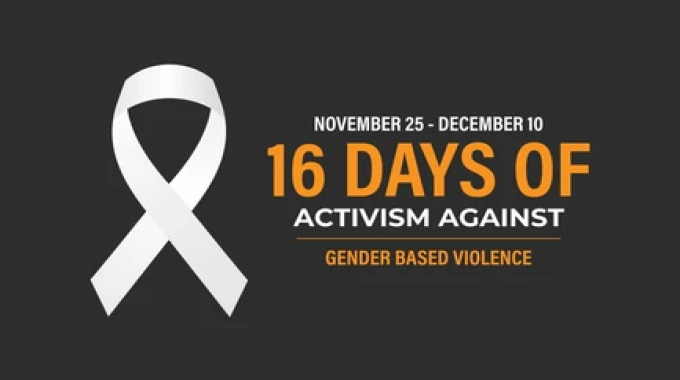
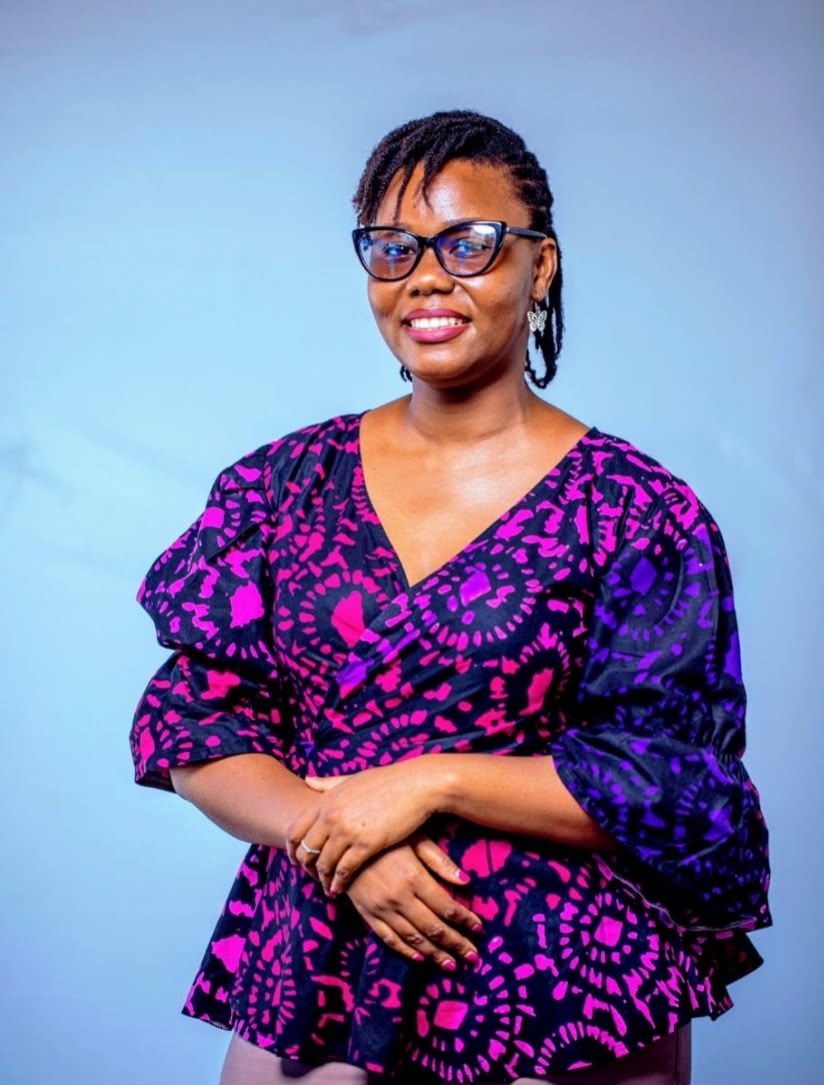
Mthabisi Tshuma, Zimpapers Writer
MEN from Bulawayo have expressed concern over what they perceive as exclusion in programming and dialogue on issues related to gender-based violence in communities.
This came out during the Bulawayo provincial gender-based violence awareness programme hosted on Tuesday by the Ministry of Women Affairs, Community, Small and Medium Enterprises Development in partnership with different stakeholders.
The event marked the start of the 16 Days of Activism Against Gender-Based Violence (GBV) commemorations.
Every year, the Government, in partnership with the United Nations and the global community, commemorates 16 Days of Activism Against GBV from November 25 to December 10.
The objective is to spread awareness against GBV and celebrate collective efforts by other players in the field and the strides made by survivors.
The international theme: “Unite To end Digital Violence Against All Women and Girls”, highlights the need for collective action, more so at a time when digital spaces have become active than ever.
To mark the start of the programme, a roadshow was conducted in the morning at Sokusile Business Centre in Nkulumane suburb, and ended in Makokoba.
Women Affairs Ministry’s Bulawayo Provincial Development Officer, Mrs Glory Damba, said the campaign emphasised several key points and learning areas drawn from interacting with the public at the roadshows.
Key among them was how men expressed that they feel sidelined in addressing issues related to GBV.
“A significant takeaway was the concern raised by men who felt that most GBV messages target women, leaving them feeling excluded,” she said.
“Men highlighted the need for more programmes that speak directly to their roles, responsibilities and experiences. They also demanded clarification on available services for male survivors,” said Mrs Damba.
“They also requested for inclusive messaging that portrays men as partners in prevention rather than perpetrators.
“We also acknowledged this feedback and committed to strengthening male-inclusive approaches, promoting positive masculinity and ensuring that roadshows and community dialogues deliberately engage men.”
Mrs Damba said the community demand for information on issues to do with GBV was high and encouraging, as more people are becoming conscious.
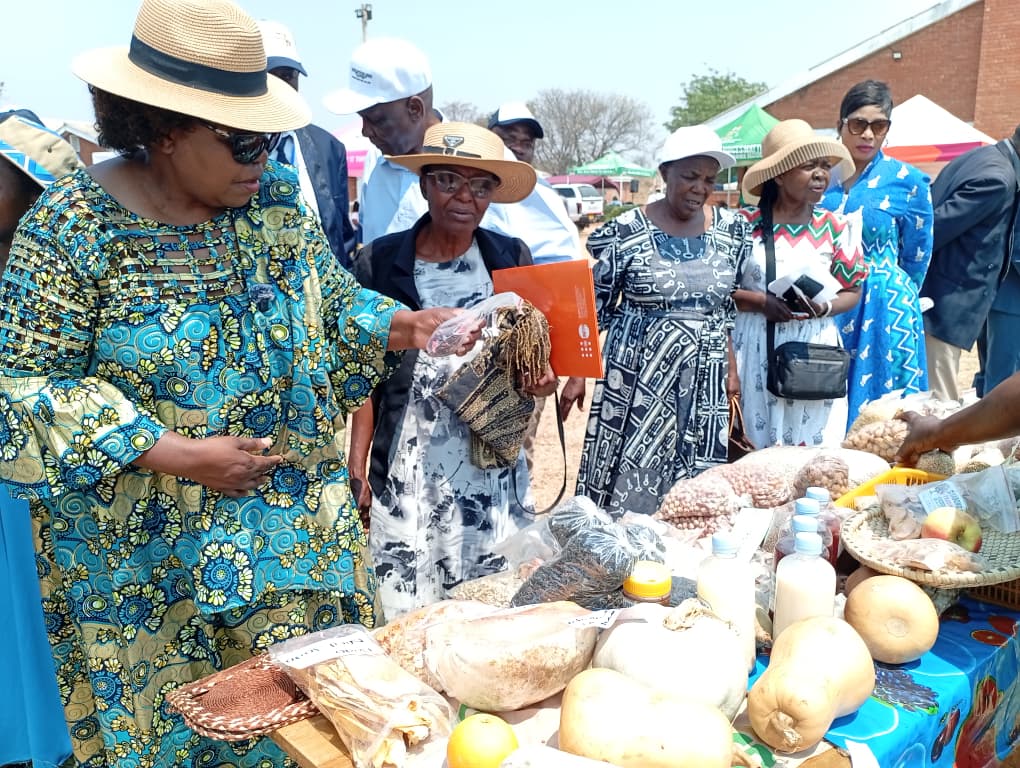
“We noted that communities appreciated receiving information directly in their marketplaces, where they feel more comfortable and free to engage.
“Many participants expressed that such platforms make services feel closer and less intimidating,” said Mrs Damba.
“Many community members were not fully aware of the available support structures, including the Mpilo One-Stop Centre and its functions, legal aid, counselling and referral pathways.
“The OSC reiterated the importance of ongoing awareness-raising to bridge this knowledge gap.”
Mrs Damba said marketplace interactions foster honest dialogue as experienced during the campaign.
“We observed that conducting engagements in marketplaces creates a relaxed environment where people openly share personal experiences, like Mrs Sipho Mazibuko, who is a GBV survivor. People can ask questions and challenge misconceptions on GBV, child protection, and harmful social norms.
“Feedback from persons with disabilities and other vulnerable groups emphasised the need for accessible communication, tailored interventions, and barrier-free access to services.
“The ministry needs to be more committed to further strengthening inclusive outreach. One of the issues raised was the need to provide branded giveaways or small tokens such as caps, T-shirts, bags, or household-use items in future events,” she said.
“Participants noted that such items help attract crowds, maintain attention during sessions and ensure that key messages travel beyond the roadshow venue.
“Having giveaways in future roadshows would enhance visibility, improve engagement and strengthen message retention.”
During the campaign at Sokusile Business Centre, one of the speakers was Mrs Sipho Mazibuko, who taught the residents, from children, women and men, to open up if they are being abused.
Also joining the event were Matabeleland South Miss Rural Belle Nomatter, Matabeleland North Miss Rural Michelle Ngwenya and Masvingo Province Miss Rural Angeline Taruvanda.
This year’s focus is on advocating for collective action to dismantle the structural, cultural and institutional barriers that perpetuate violence and exclusion.
-Follow on X:@mthabisi_mthire