Online Reporter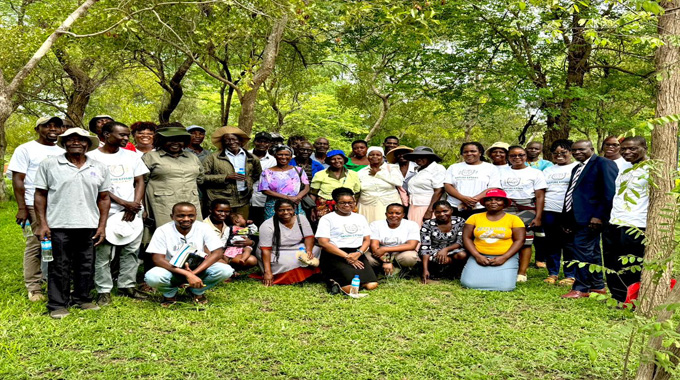
Fairness Moyana recently in Gwayi
THERE are growing concerns over escalating wildlife crimes in Matabeleland North emanating from rampant game-meat poaching to the rising production of charcoal, particularly from the vulnerable mopane tree.
The development has placed community engagement at the heart of regional conservation efforts.
Traditional leaders say poverty is pushing villagers into illegal exploitation of wildlife and forest resources, which threatens natural ecosystems and livelihoods.
Against this backdrop, the KAZA Wildlife Law Enforcement Evaluation Workshop, convened in Lupane this week, brought together conservation authorities, prosecutors and community leaders in a renewed push to strengthen grassroots involvement in combating wildlife offences.
Led by the Nature Extant Learning Centre (NELC), the workshop sought to refine wildlife law enforcement training, assess progress under the KAZA awareness programme and strengthen strategies to curb illegal wildlife trade.
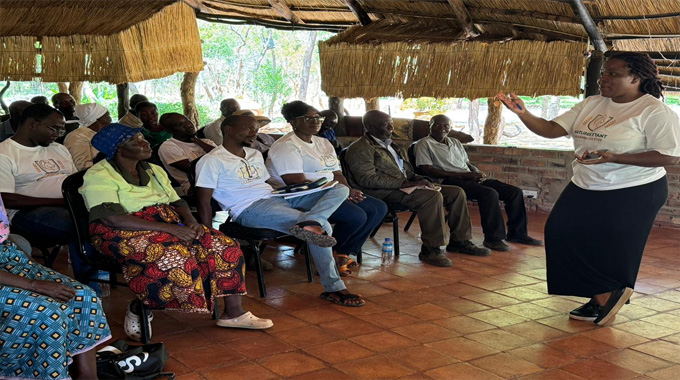
NELC founder, Advocate Vimbai Chinoda, said the workshop followed the successful completion of the Wildlife Law Enforcement Course and marked a key moment of reflection for stakeholders such as ZimParks, the National Prosecuting Authority (NPA), Kusile Rural District Council and the Forestry Commission.
“The workshop provides a platform to evaluate lessons learned, gather feedback, and identify areas for improvement. Participants are undergoing assessments and receiving Rapid Reference Guides (RRGs) as we refine strategies for combating illegal wildlife trade,” said Adv Chinoda.
Matabeleland North has long struggled with poaching of elephants, pangolins, lions and vultures as well as illegal harvesting of forestry products. Traditional leaders said the situation is worsening, with game-meat poaching reportedly rampant ahead of commercial hunting seasons, while charcoal production, especially of mopane, a key ecological species, has spiked in recent months.
They noted that poverty and limited livelihood opportunities often drive communities into these illegal practices.
More than 30 traditional leaders from three rural wards attended the training, which emphasised the importance of environmental governance and community responsibility.
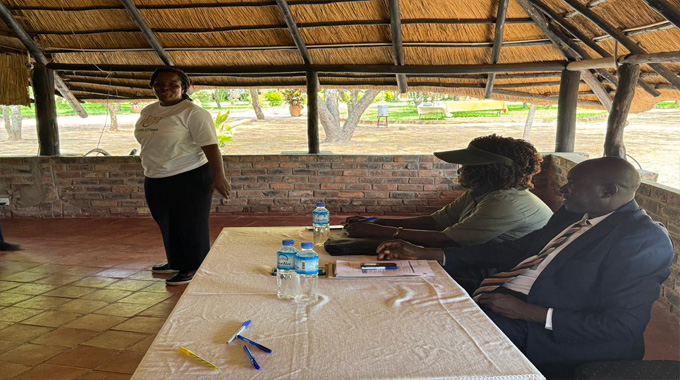
Representing Chief Mabhikwa, Headman Doctor Ncube of Chimwara Village said traditional leaders must reclaim their historic role as custodians of natural resources.
“The preservation and protection of the environment and all our natural resources is very important. We welcome this initiative as it equips us to educate our people on laws governing wildlife. Since time immemorial, we African people have been guarding and preserving the environment, we have always been champions of conservation,” he said.
Headman Ncube also called for renewed use of cultural norms such as totems, which traditionally discouraged the killing of certain animals and helped maintain biodiversity through indigenous knowledge systems.
A major point of debate involved the possession of animal remains used by traditional healers. Leaders asked whether an amnesty or formal registration process could help communities lawfully keep bones, skins, horns or other remains found naturally.
Commonly held items such as pangolin scales, hyena noses, python skins, lion tails and vulture feet fall under protected species laws, which means villagers risk prosecution even when such items are inherited or not poached.
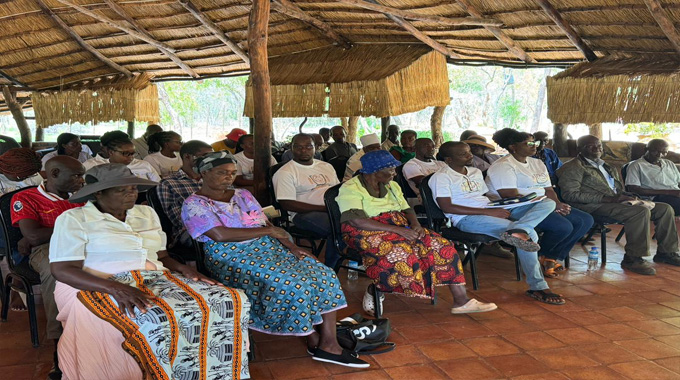
A representative from the National Prosecuting Authority unpacked the legal framework governing wildlife crimes, walking participants through common offences, court procedures and sentencing guidelines.
The Forestry Commission addressed concerns over permits and community benefits linked to forest products, especially in light of rising charcoal-making activities and increased demand for firewood.
To build long-term capacity in environmental law enforcement, NELC introduced its National Diploma in Wildlife Law and Policy, an 18-month programme designed to develop practical and legal expertise in conservation.
Adv Chinoda said the course offers two intakes, in February and August 2026, and is delivered through a hybrid model combining online and physical learning.
Assessment includes assignments, tests, practicals and end-of-semester exams, leading to a nationally recognised certificate.
As wildlife crimes intensify across Matabeleland North, the workshop underscored the need for tighter collaboration between authorities and communities who live closest to wildlife.