


 Online Reporter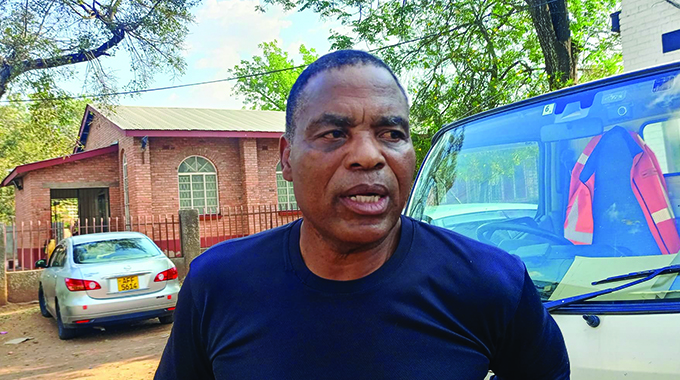
Gibson Mhaka, Senior Reporter
THE Zanu-PF Bulawayo province has joined the growing national chorus in support of the Constitution of Zimbabwe Amendment Bill (Number Three) of 2026, declaring that the proposed changes are a vital step in asserting the country’s sovereign right to self-governance.
The recently gazetted Bill proposes wide ranging changes to Zimbabwe’s political framework, including extending the election cycle from five to seven years and introducing a system in which the President is elected by Parliament.
Speaking on the sidelines of a gathering organised by the Zimbabwe Indigenous Miners Association (Zima) in Bulawayo on Tuesday, while welcoming 90 new members into the ruling party under the Dzokai Kumusha/Buyani Ekhaya (Come Home) programme, Zanu-PF Bulawayo provincial chairperson Cde Jabulani Sibanda urged party supporters and the nation to rally behind the proposed amendments and the party’s Resolution Number 1.
To reinforce the legality of the amendment process, Cde Sibanda contrasted Zimbabwe’s constitutional structure with that of its former coloniser, Britain.
“We were colonised by Britain. There is a saying that was once literally true: ‘The sun never sets on the British Empire.’ It was true because when the sun was setting in Indonesia and India, it was rising here in Zimbabwe, and when it set here, it was rising in the Americas,” Cde Sibanda said.
“Yet, I am telling you today that the British, to this day, do not have a written constitution. Because they lack a formal constitution to govern or limit them, they were able to go to other countries and do as they pleased.”
He emphasised that Zimbabwe is a constitutional, people governed nation guided by a supreme law that clearly outlines how it may be amended.
“What we are doing now — proposing amendments — is fully permitted within our Constitution. It allows us to govern and amend our laws to enable our development as we see fit, according to our own vision and not the vision of outsiders. This is a constitutionally justified process,” he said.
Cde Sibanda framed support for the Bill and Zanu-PF as central to safeguarding national security and protecting heritage, particularly land ownership. He warned that the shifting global political climate required unity and vigilance.
“In the current global climate, the world is no longer governed by international law; it is governed by the power one nation holds over others. We must unite to defend our sovereignty,” he said.
In an appeal to those outside the ruling party, he urged people to channel their concerns through Zanu-PF structures rather than turning to foreign influenced alternatives.
“If there are things you believe are not being done properly, come to the party so we can address them together. If a car has a problem, you take it to the garage to be fixed. Come directly to Zanu-PF, let us discuss those issues, and we will do things right,” he said.
Following the mandatory 90 day public consultation period, the Bill will be brought before Parliament, where the relevant Portfolio Committee will conduct nationwide public hearings. Notably, the Bill will not be referred to the Parliamentary Legal Committee.
After its First Reading in Parliament, the proposed law will move to the Second Reading stage, where its main objectives will be debated. It will then proceed to the Committee Stage for detailed, clause by clause consideration, during which further amendments may be incorporated based on public submissions.
Before the Bill can be adopted, it must secure a two thirds majority of the National Assembly. If approved, it will then be transmitted to the Senate for a similar legislative process before being submitted for Presidential assent.



 Blessing Chizhande