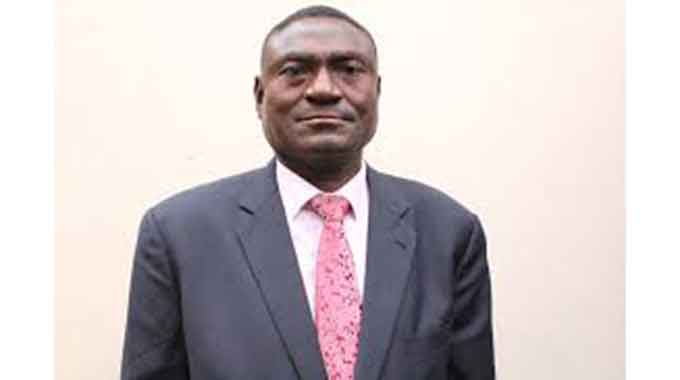
Vusumuzi Dube
Mkhululi Ncube , [email protected]
THE onset of the rainy season in Bulawayo has brought renewed warnings from health experts about the risk of water-borne and vector-borne diseases.
Poor drainage infrastructure, combined with heavy rains, has created conditions conducive to outbreaks of diseases such as cholera, typhoid and diarrhoea.
Bulawayo provincial medical director, Dr Maphios Siamuchembu, urged residents to remain vigilant and adopt preventive measures.
“Diseases that Bulawayo residents should be wary of during the rainy season include diarrhoeal diseases such as dysentery, cholera and typhoid. Rainwater can wash waste into unprotected and unsafe water sources.
“Due to water shortages in Bulawayo, people often resort to using rainwater for domestic purposes, increasing the risk of contracting these diseases,” he said.

Dr Siamuchembu urged residents to seek immediate medical attention if they experience symptoms such as diarrhoea, vomiting, or fever.
He also highlighted the increased risk of malaria, particularly in the south-eastern low-lying areas and the Zambezi Valley.
Malaria transmission is heightened by heavy rainfall and high temperatures. Preventive measures include using mosquito nets, indoor and outdoor residual spraying, avoiding late outdoor activities, wearing long-sleeved clothing and using mosquito repellents.
For those living in high-risk areas, malaria prophylaxis medicines are available, but individuals should consult their doctors, especially if pregnant or lactating.
Malaria is caused by a parasite of the genus plasmodium. It is transmitted to humans through female Anopheles species mosquito bites. Heavy precipitation and high temperatures alter the transmission and increase the incidence of malaria.
Highest malaria risk is in the south-eastern low-lying areas. Higher elevation areas, which are becoming densely populated areas are becoming suitable for malaria transmission.
Preventive measures include mosquito nets, outdoor and indoor residual spraying, avoiding late outdoor activities, wearing long-sleeved clothes and use of mosquito repellents
Dr Siamuchembu highlighted the role of hygiene in combating water-borne diseases.
“Simple practices like washing hands with soap before eating or preparing food can significantly reduce the risk of infection. People must also avoid consuming food from unhygienic sources during this period,” he said.
Dr Simbarashe Makati a public health specialist, emphasised the importance of preventive measures.
“The rainy season increases the likelihood of contaminated water sources, especially in areas with inadequate sanitation. We urge residents to ensure their drinking water is boiled or treated with chlorine to eliminate potential pathogens,” he said.
“Like other water-borne diseases, improving sanitation and hygiene is key in prevention. Typhoid vaccines are available for prevention. They are available either in injectable format or as oral formulation.”

Dr Makati also warned of other seasonal hazards such as snake bites and scorpion stings, advising immediate first aid and safe handling of victims.
“During the rainy season with farming activities, there is a surge in snake bite cases. Once bitten by a snake or scorpion, as part of first aid, make sure you are in a safe environment to offer care.
“If there is venom spit, the person rendering first aid must wash liberally with water and should not massage the wound site,” he said.
Paediatrician, Dr Wedu Ndebele, highlighted the vulnerability of children during this period.
“Young children are particularly at risk because their immune systems are still developing. Parents should ensure their children drink safe water and eat well-cooked meals. Washing clothes, drying them in the sun and ironing them also helps eliminate disease-causing micro-organisms,” he said.
Dr Ndebele noted that while Bulawayo is not a malaria-endemic area, an increase in imported cases is possible and mosquito nuisance may rise.
The Bulawayo City Council (BCC) has urged residents to report suspected cases of water-borne diseases promptly.
The council has also announced plans to intensify waste management and drainage maintenance efforts to minimise health risks during the rainy season. — @themkhust


 Online Reporter