

 Online Reporter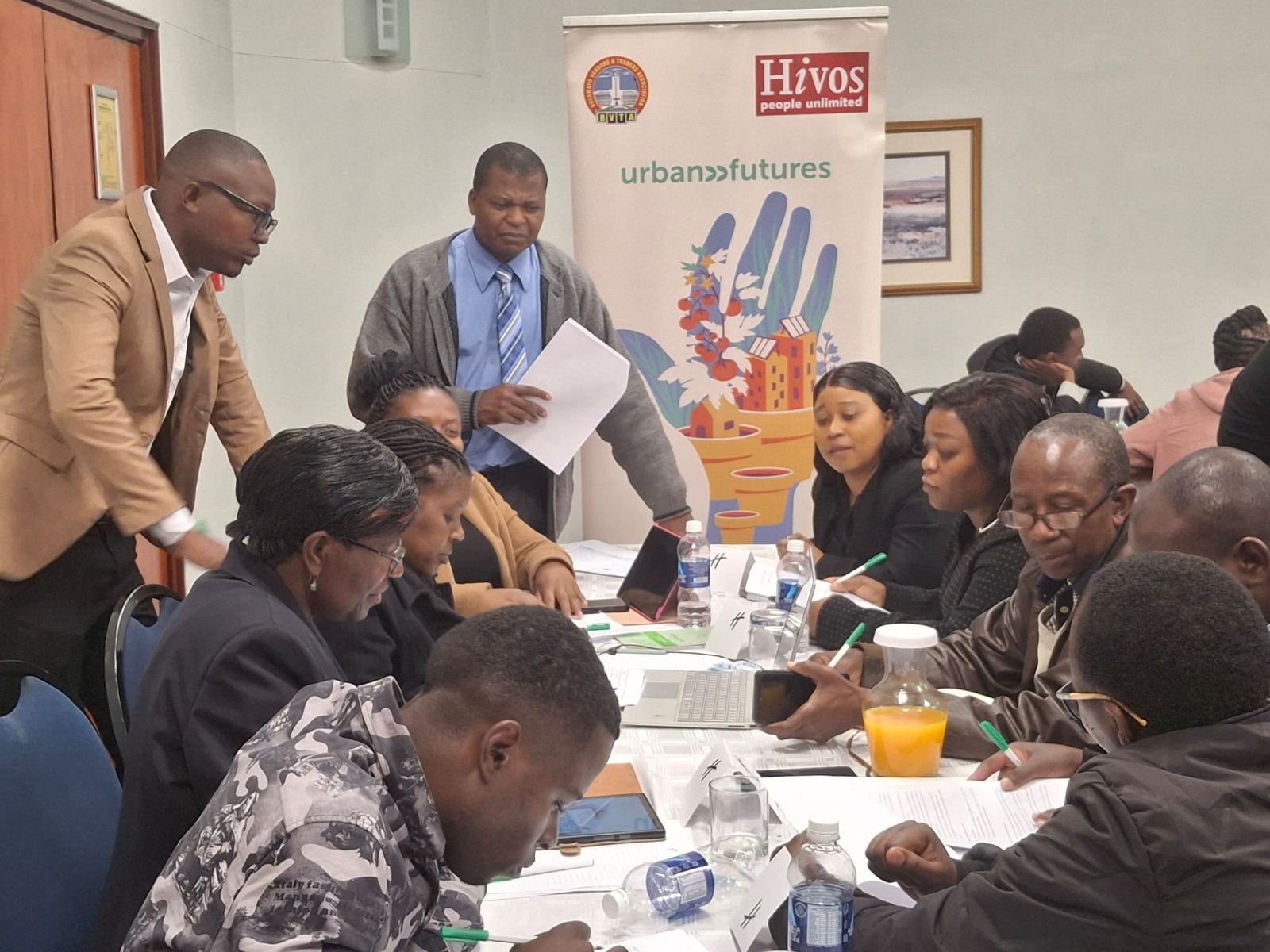
Sikhulekelani Moyo,Zimpapers Business Hub
IN a bid to streamline the role of urban agriculture, the City of Bulawayo Urban Futures Consortium brought together a multi-stakeholder platform as of June 2024 to review the 2006 Bulawayo Urban Agriculture (UA) policy.
Bulawayo is the first city in Zimbabwe to draft a UA Policy in that year.
The purpose of the review of the existing policy is to set a tone for creating an enabling framework for young men and women to drive climate-smart and innovative urban agriculture in the City of Bulawayo.
This will be done through the adoption of resilient and innovative practices such as vertical farming, rainwater harvesting and efficient irrigation systems to improve food and nutrition security, create employment and reduce environmental impact and climate challenges.
In a statement, the Bulawayo Vendors and Traders Association (BVTA) said Bulawayo is undergoing critical transformation amidst escalating challenges of rapid urbanisation, climate change, and systemic food insecurity.
Located in a semi-arid zone, the city faces frequent droughts, water scarcity and rising temperatures, which undermine local food production and access to affordable, nutritious food.
“Urban agriculture is spearheaded as a key contributor towards more inclusive, climate-resilient urban food systems, where young people collaborate to voice their priorities, influence decisions and seize opportunities in the food sector, with shorter value chains providing healthy, sustainable food that is accessible, affordable, and attractive to all,” said BVTA.
“The city outcomes are to generate and maintain inclusive, transparent, and participatory food policies and governance strategies; new narratives on inclusive climate climate-resilient, and conscious cities, agrifood systems adopt sustainable, regenerative, and climate-resilient practices as well as increased financial flows from private, multilateral, public, and community-based stakeholders.”
The consortium consists of BVTA as project lead, the African Food Revolution (AFR), Green Hut Trust, and the Unemployed and Vulnerable Foundation Trust (UVFT)
Urban Futures is a global program supported by HIVOS that works at the intersection of urban food systems, youth well-being, and climate action.
Operating in 10 intermediary cities in five countries, namely Colombia, Ecuador, Indonesia, Zambia, and Zimbabwe, it supports local partners, especially young people and women, to create more inclusive, climate-resilient, and sustainable food systems for their cities.
In Zimbabwe, the program is implemented in Bulawayo and Mutare.
BVTA said it was also acknowledged that some of the policy provisions need revision for the policy to be inclusive and strengthened for coordination, climate adaptation, environmental sustainability, sustainable food systems, and youth livelihood development in the City of Bulawayo.
The organisation said a number of areas were cited as reflections to be included within the revised policy.
“These areas include, enabling framework for young people and agri-innovations, reviving and strengthening the governing structure, re-establishment of the Urban Food Multi-Stakeholder Forum, strengthening for coordination, reflection of current realities, encouraging youth participation as well as develop clear indicators to track the monitoring and evaluation framework, said the organisation.
BVTA said to date, various platforms and methods have been engaged to ensure it is a holistic and inclusive revision process.
“These include the Urban Futures rapid scan, an in-depth study, multi-stakeholder meetings such as inception, technical working group and activation of the previous multi-stakeholder platform, farmer surveys in 10 wards, key informant interviews with selected partners including Environmental Management Agency (EMA), Forest Commission, Agricultural and Rural Development Advisory Services (ARDAS), and BCC.”
Community consultative meetings in 10 community gardens were also done, as well as a desk review of relevant documents, including UA policy versus reality, National Development Strategy (NDS1), SDGs, and Agric and Food Strategy.
BVTA said a key reflection is the need for integrated, cross-sectoral, and multi-stakeholder support from the public sector (central and local Government), private sector, agro-innovation experts and NGOs to transform urban agriculture into a resilient, inclusive, and sustainable food system, aligned with broader development goals such as smart cities, food security, economic empowerment, and climate resilience.
“We ask what these various stakeholders will therefore deliberately stimulate within their different areas of influence to ensure the revised AU policy gives back to the wider community as it should and meets its mandate of being a critical livelihood strategy in the city,” said BVTA.
“It is well known that urban agriculture stands to build the city’s economic standing as a vital livelihood engagement, also backing the city’s vision of ‘Bulawayo, the City of Kings, Leader in Governance Excellence with a Vibrant Economy’.
“Further active engagement of youth and other vulnerable populations will safeguard not only the current shift towards a sustainable youth-led agriculture economy but also ensure future endeavors are inclusive in nature.”



Agriculture SHOULD NOT be done in city green spaces, close to rivers and on the verges between property boundaries and the road! Furthermore the filth left over after harvesting should be cleaned up and the soil quality restored/ looked after